Snippets from Faculty Summers

While there is a busy school year up ahead for faculty members, they had summers that included not only vacation, but time spent working in their discipline or trade. Learn what some faculty members were up to during the academic recess.
Roman Barnas
Department Head, Violin Making & Repair
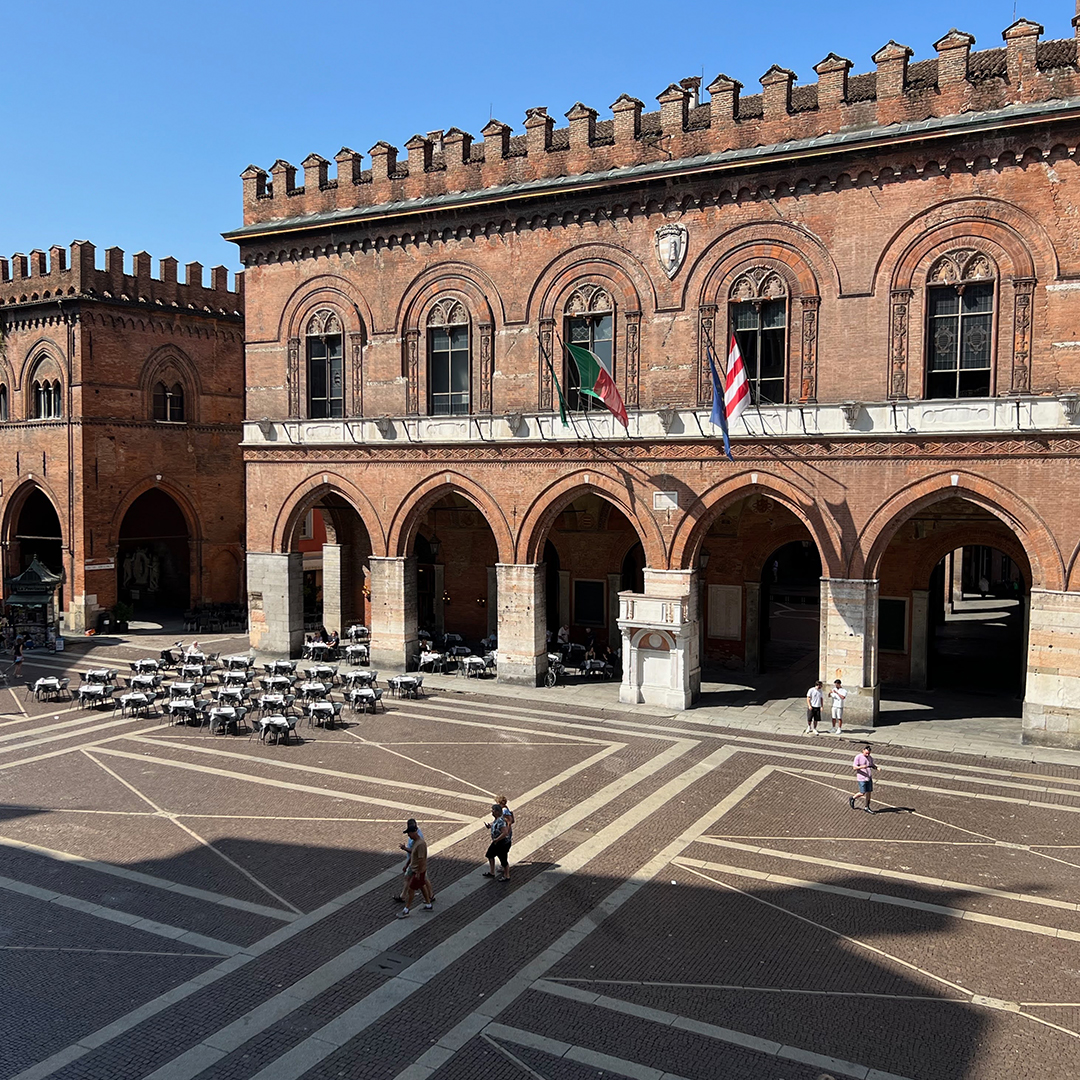
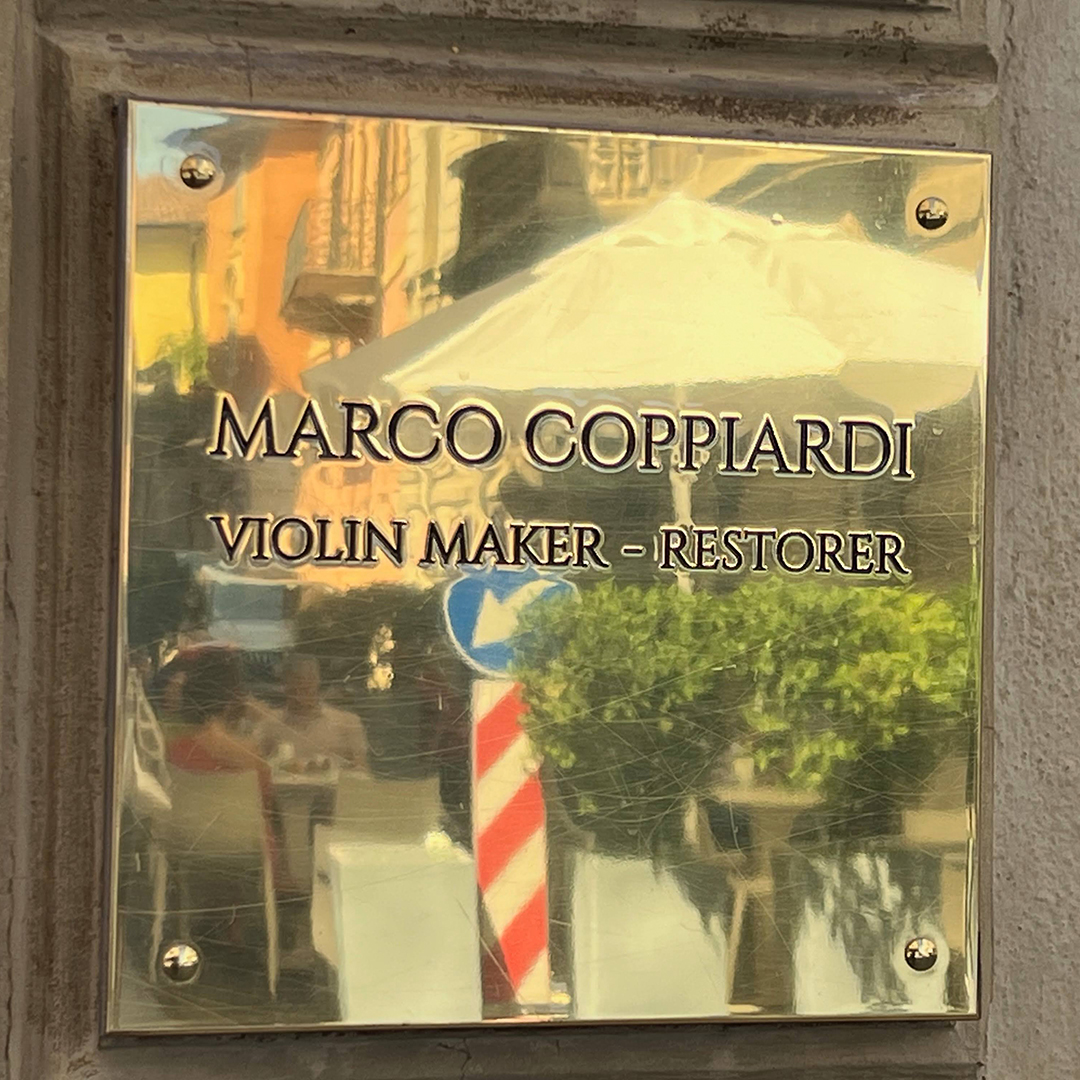
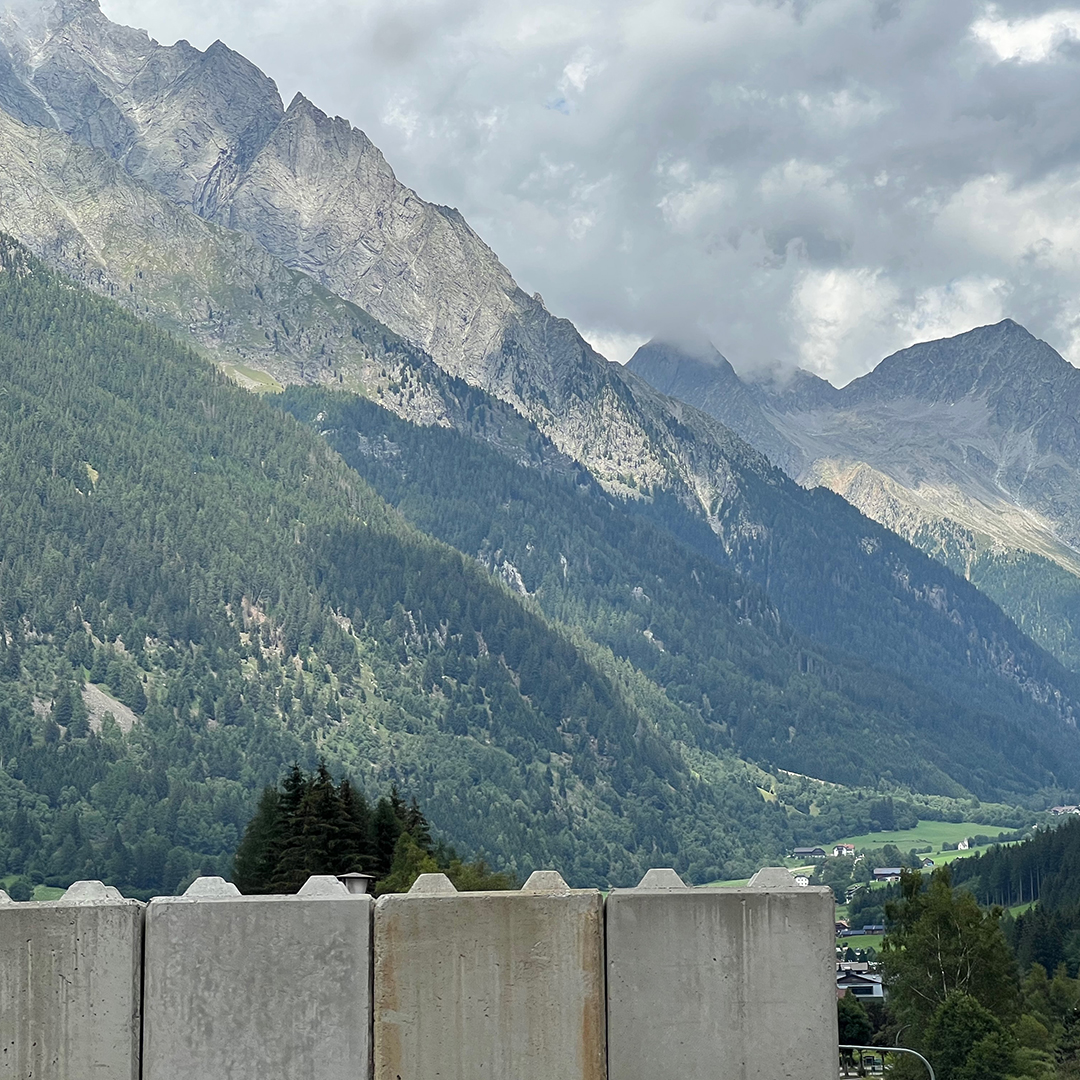
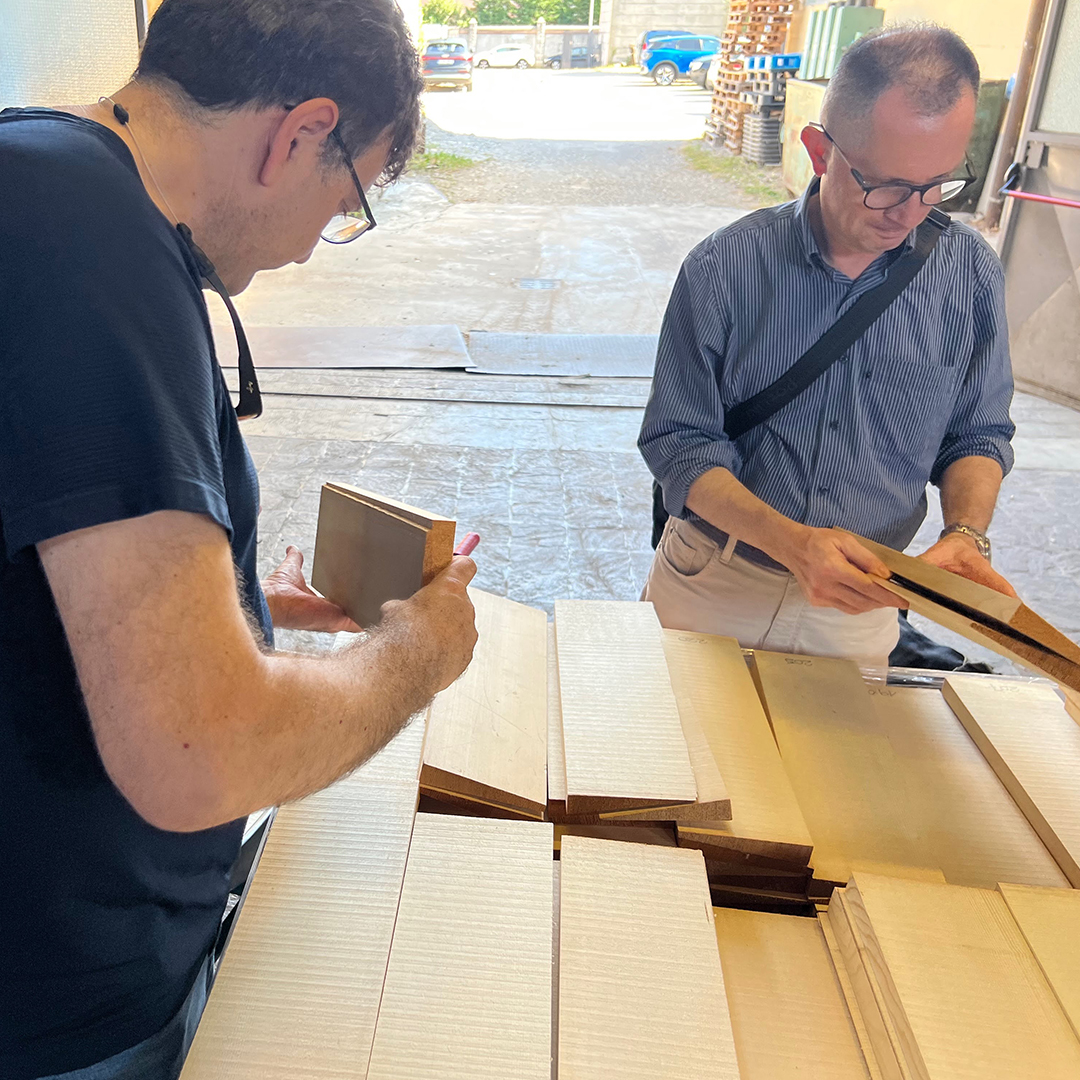
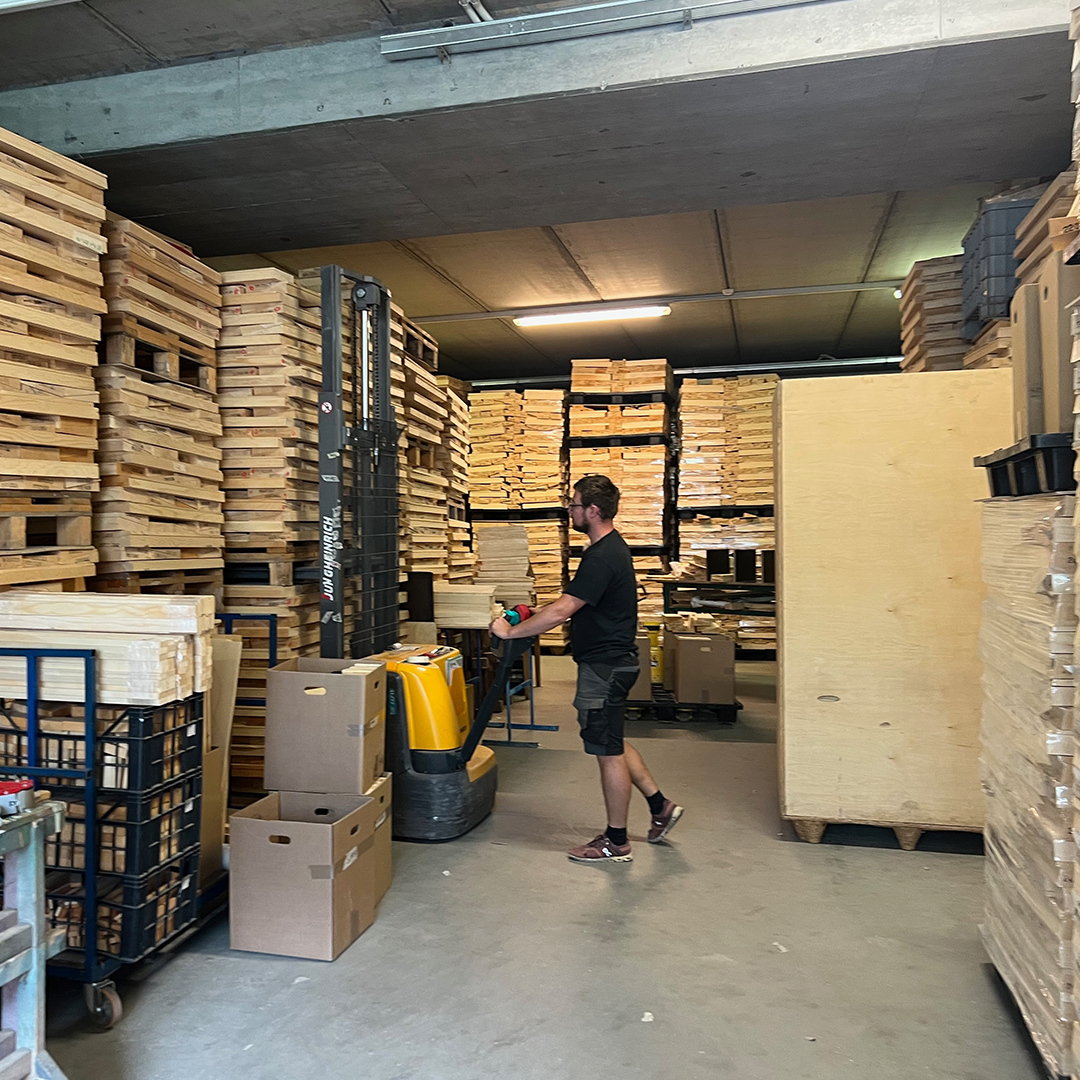
At the end of July, Violin Department Head Roman Barnas returned from a trip to Italy where he acquired a stock of exceptional tone wood for the upcoming academic year. He traveled alongside Marco Coppiardi, the owner of a violin shop in the world-renowned epicenter of violin making: Cremona, Italy. While the material sourcing was demanding—requiring long hours in the stifling heat—it was well worth it in the end. Roman went home with a selection of high quality spruce from a tone wood warehouse in South Tyrol and plenty of high quality maple from a tone wood warehouse in Milan. New and returning students have some exciting material to work with this upcoming year.
Peter Smith PC ’04
Department Head, Carpentry
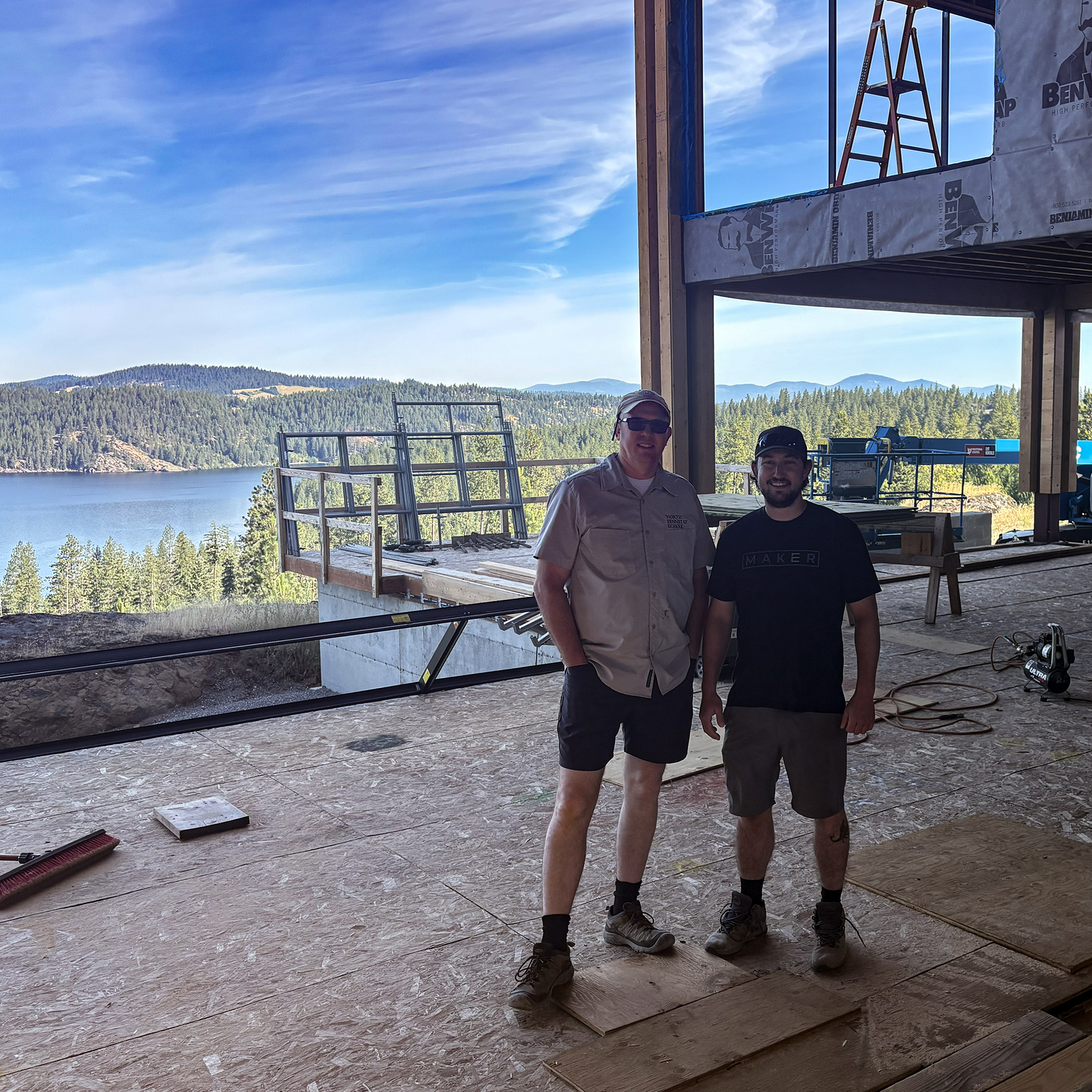
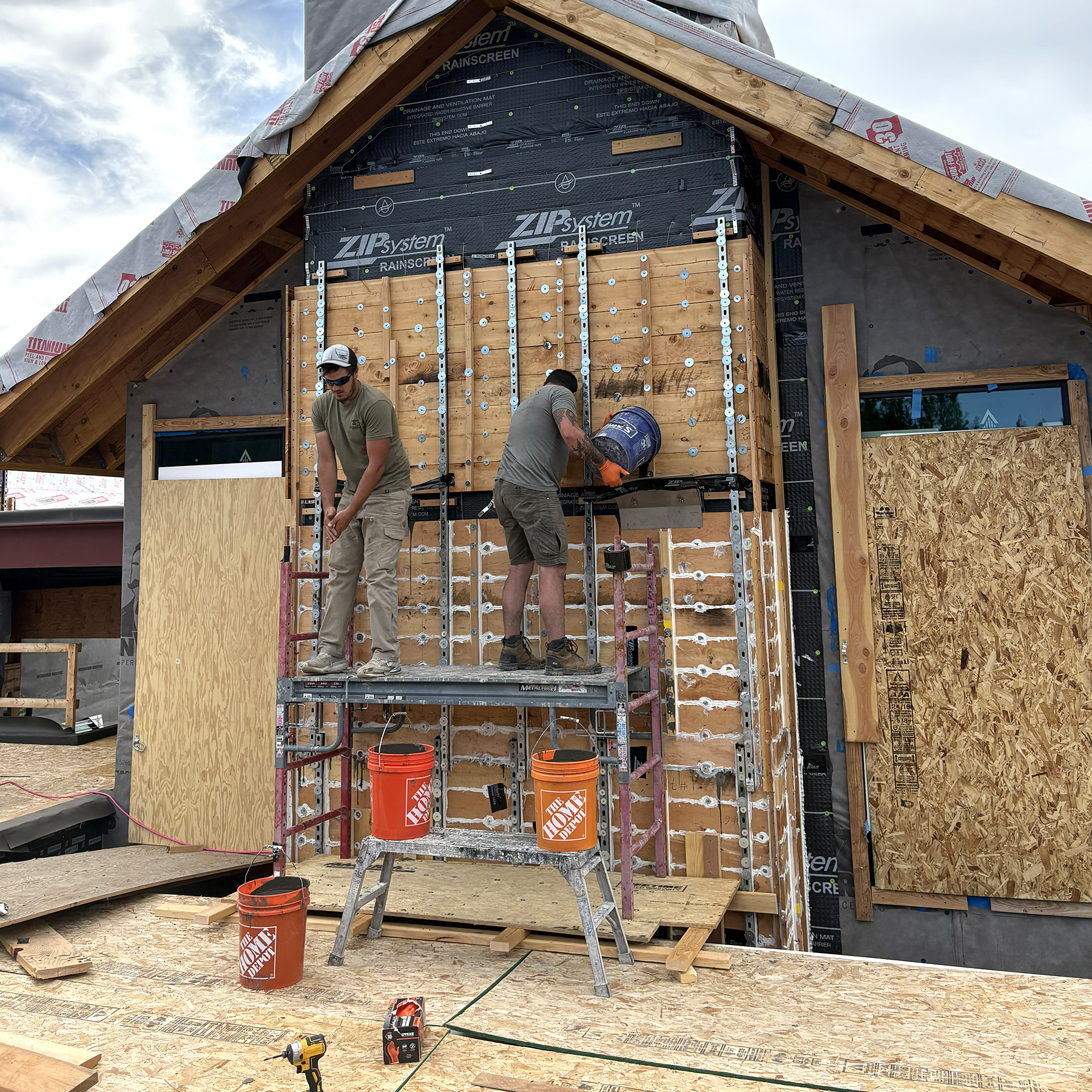
Carpentry Department Head Peter Smith PC ’04 traveled to North Idaho for several weeks this past summer. Surrounded by the breathtaking views of Lake Coeur d’Alene, Peter worked with a crew from the Montana-based architectural concrete company, Concrete Elements—which included recent Carpentry alum Michael Calvert CA ’25.
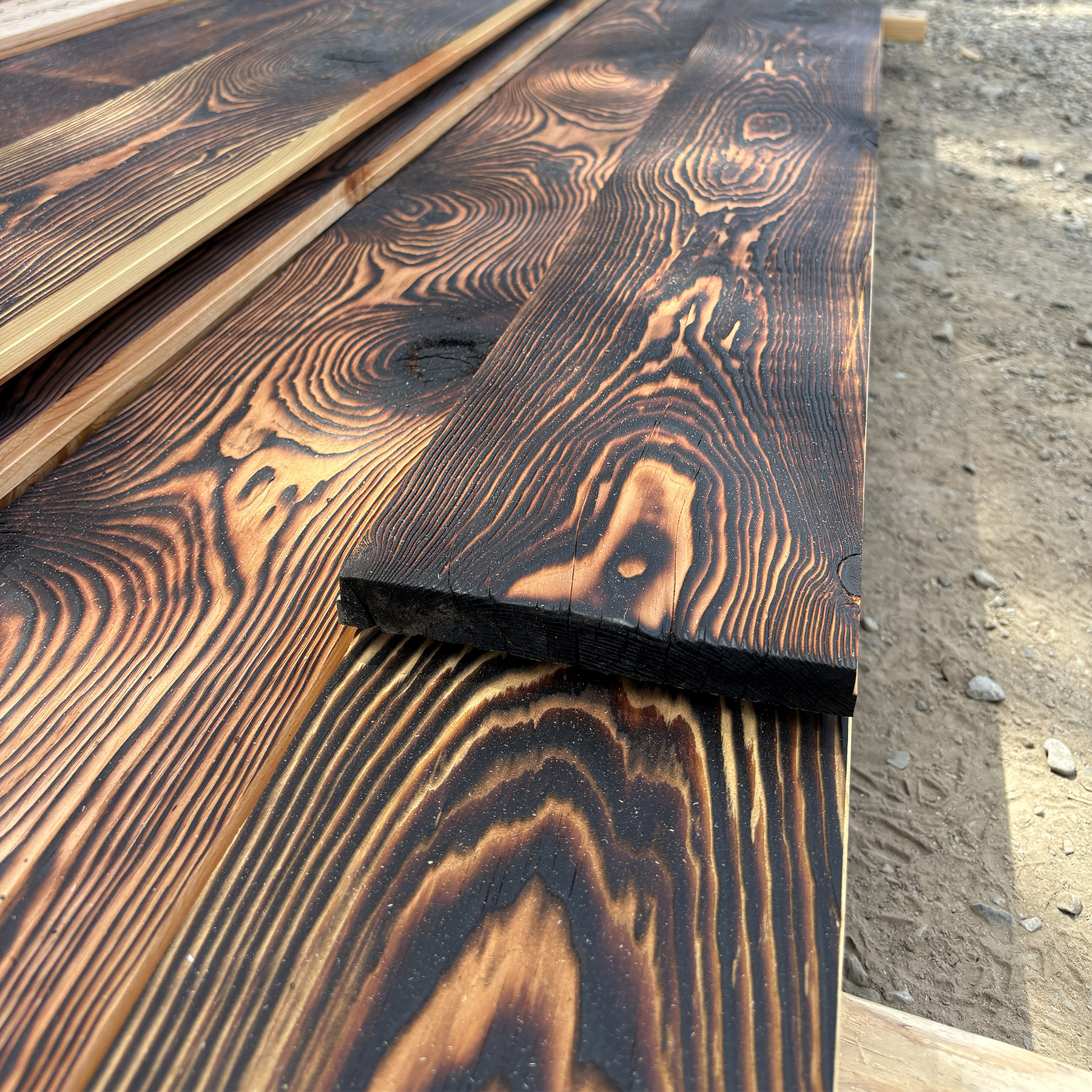
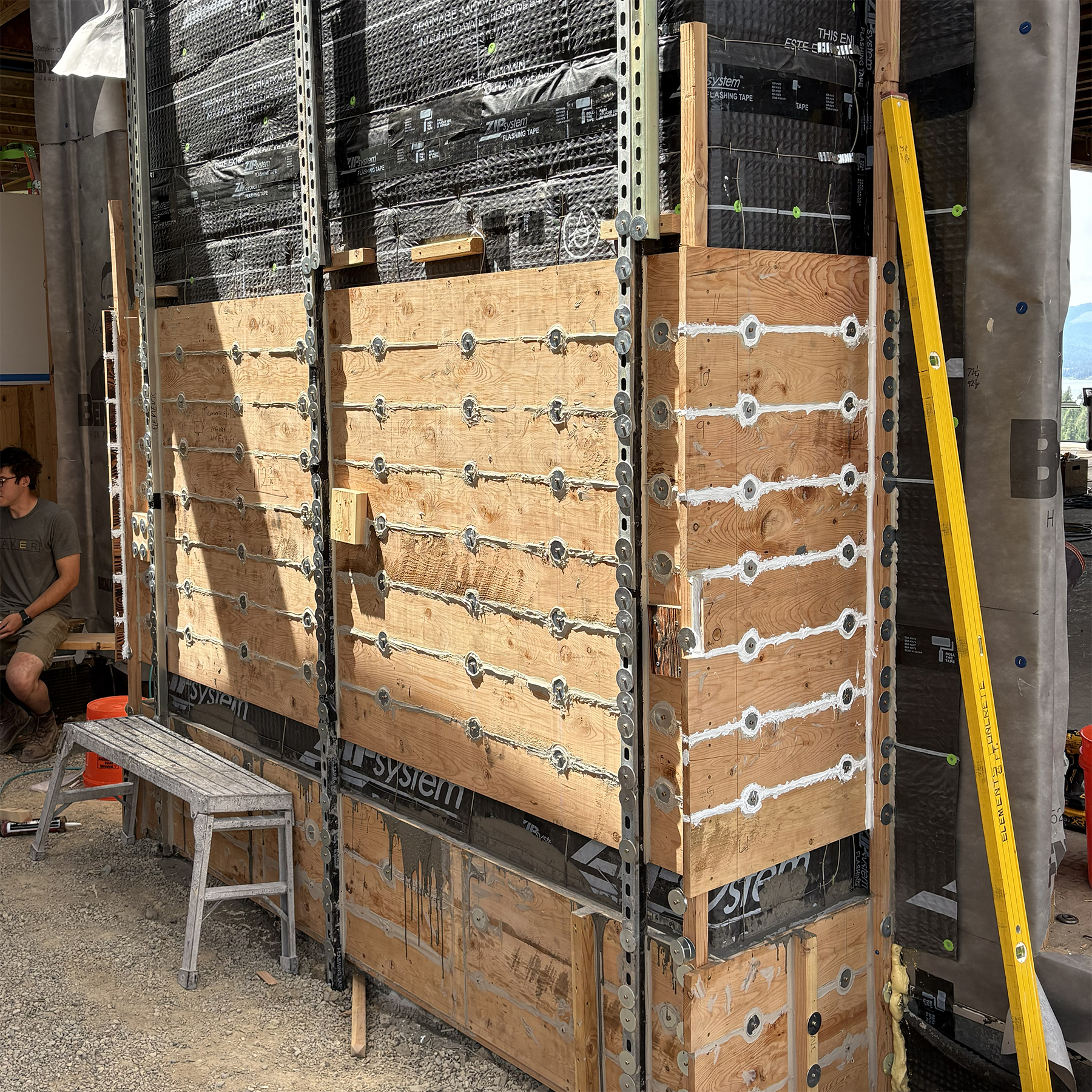
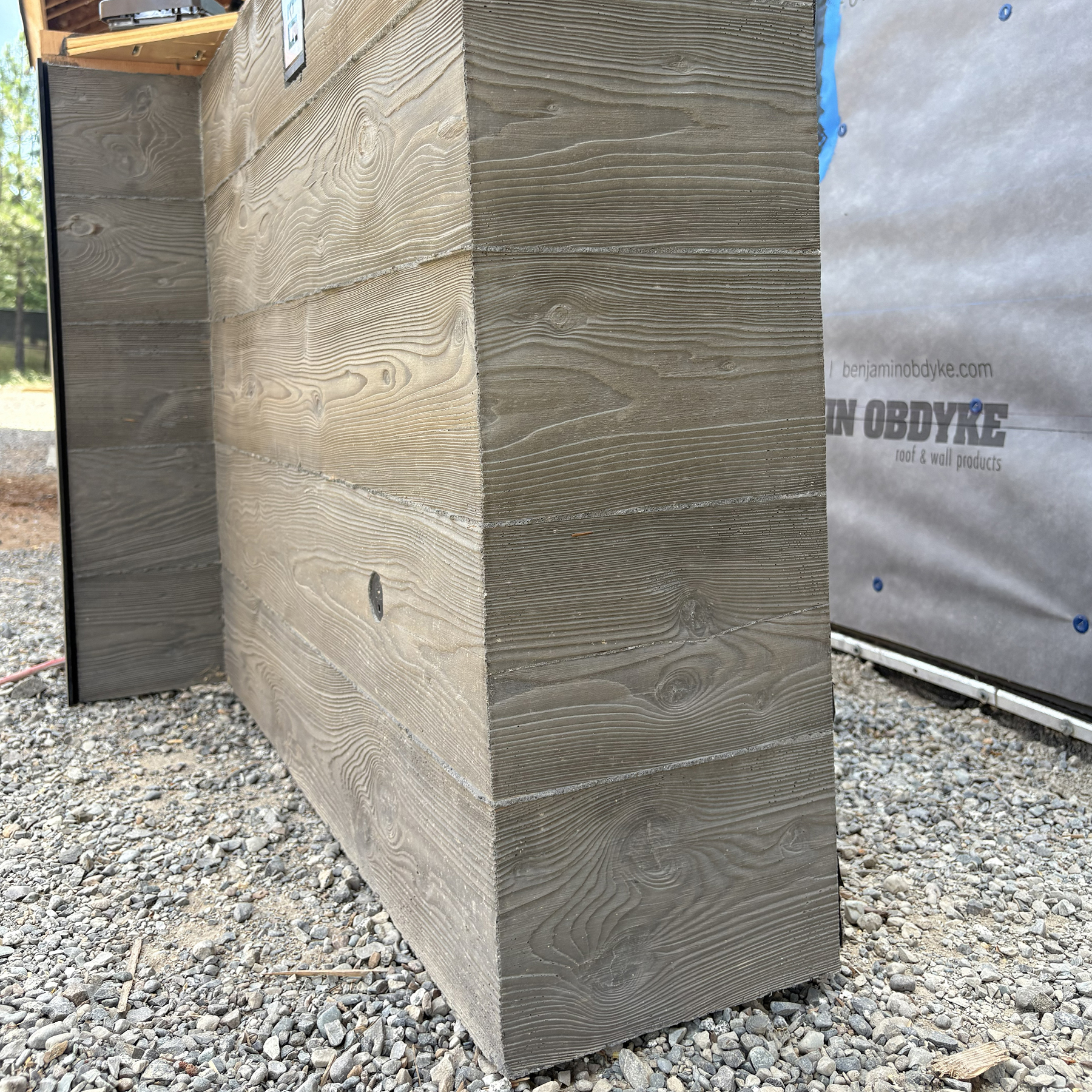
Working on a newly constructed home and needing to keep the risk of fire and harsh winter conditions top of mind, the Concrete Elements team set out to create a resilient yet visually appealing concrete exterior for some of the home’s sides. The team installed shou sugi ban boards that were burnt, wire brushed, and straight lined ripped to 6 9/16″ horizontally, leaving a gap between those boards and the existing Zip RainScreen. The shou sugi ban boards were the forms for the poured concrete. This means that once the poured concrete set, the boards were then removed and left behind a negative imprint of the cedar board and a thin layer of charcoal from the burnt shou sugi ban remains on the concrete’s surface. These characteristics added a level of artistic dimensionality to the finish, further increasing the optical appeal.
Drawing from the Mountain Modern style, the architect’s design for the home was based on the exterior siding consisting of horizontal lines every 6 9/16 inches to “hit” cleanly on the top and bottom of all the windows, top of all the doors, and the top of the parapet walls. These horizontal lines ran around the entire house, meaning very tight tolerances were maintained to avoid tolerance stack up. The builder, Greenwood Homes, did a great job in all the framing and installation of the rain screen.
Who knew there was so much carpentry in concrete!
Jeff Altepeter BB ’99
Department Head, Bookbinding
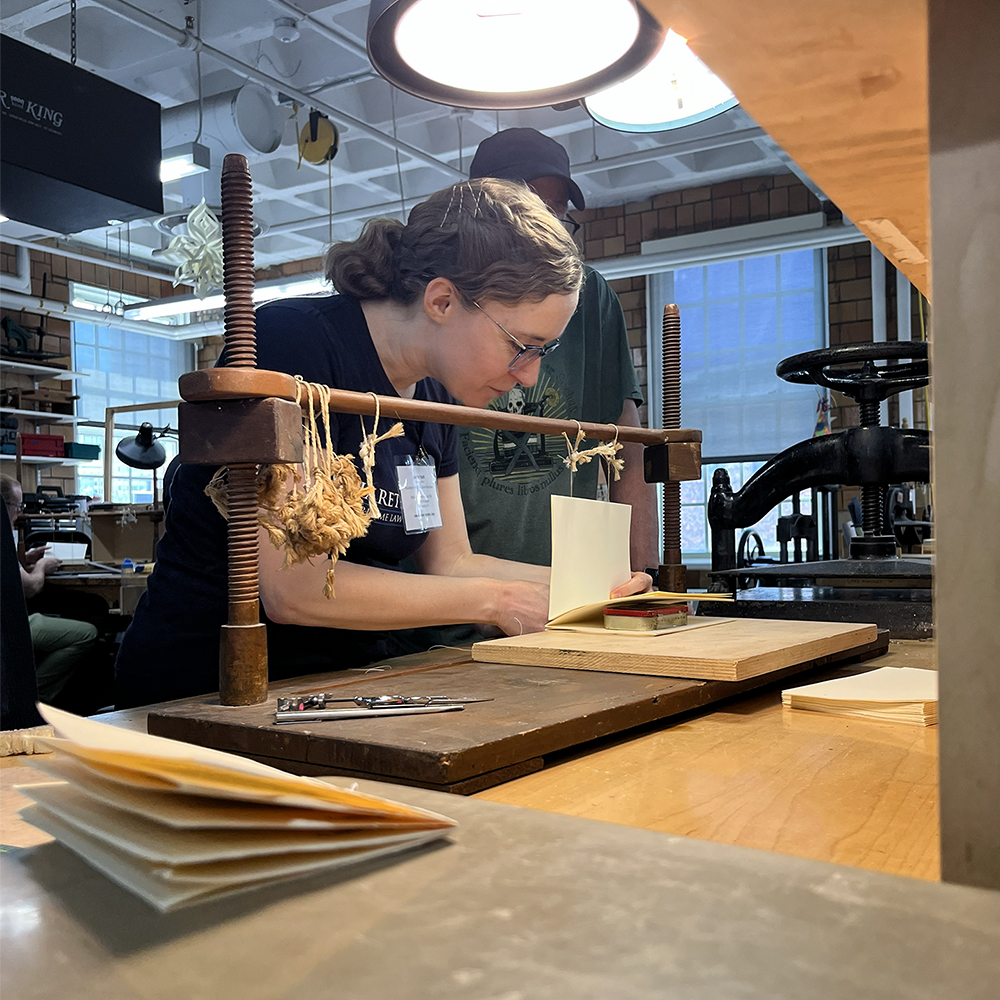
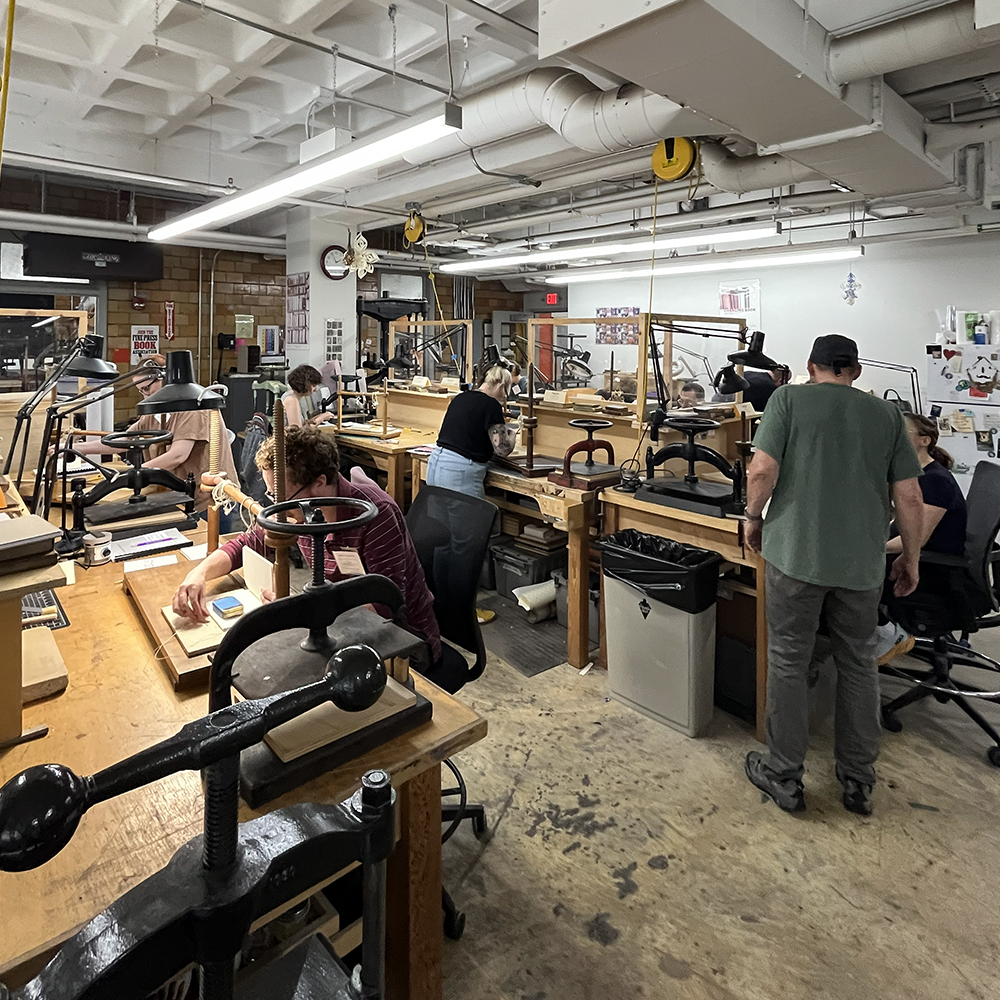
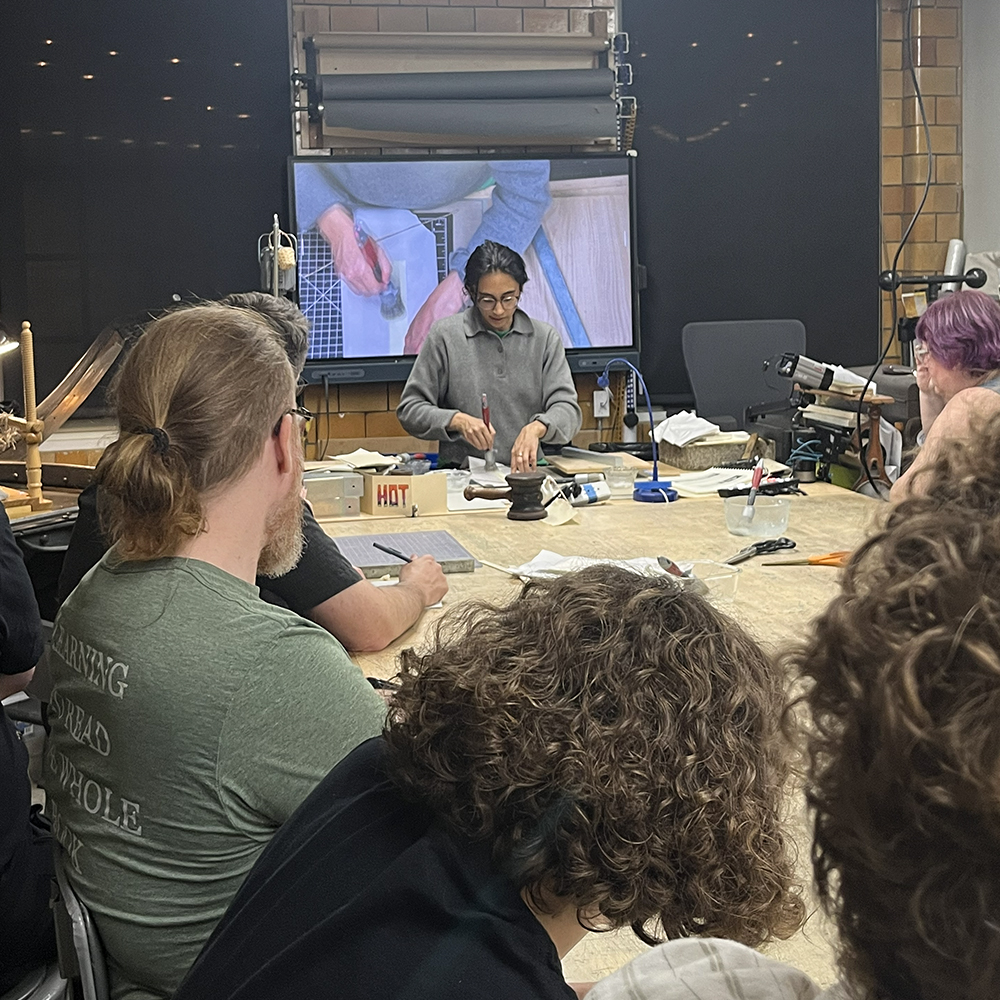
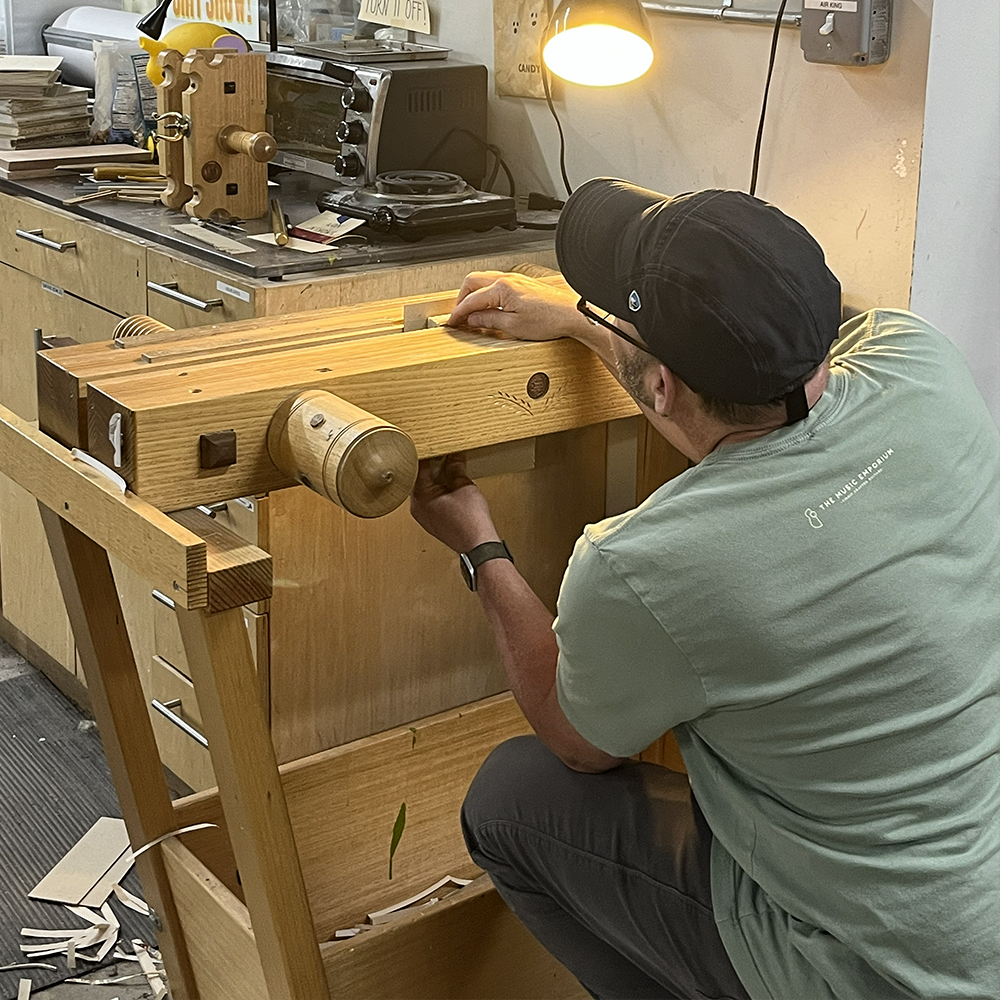
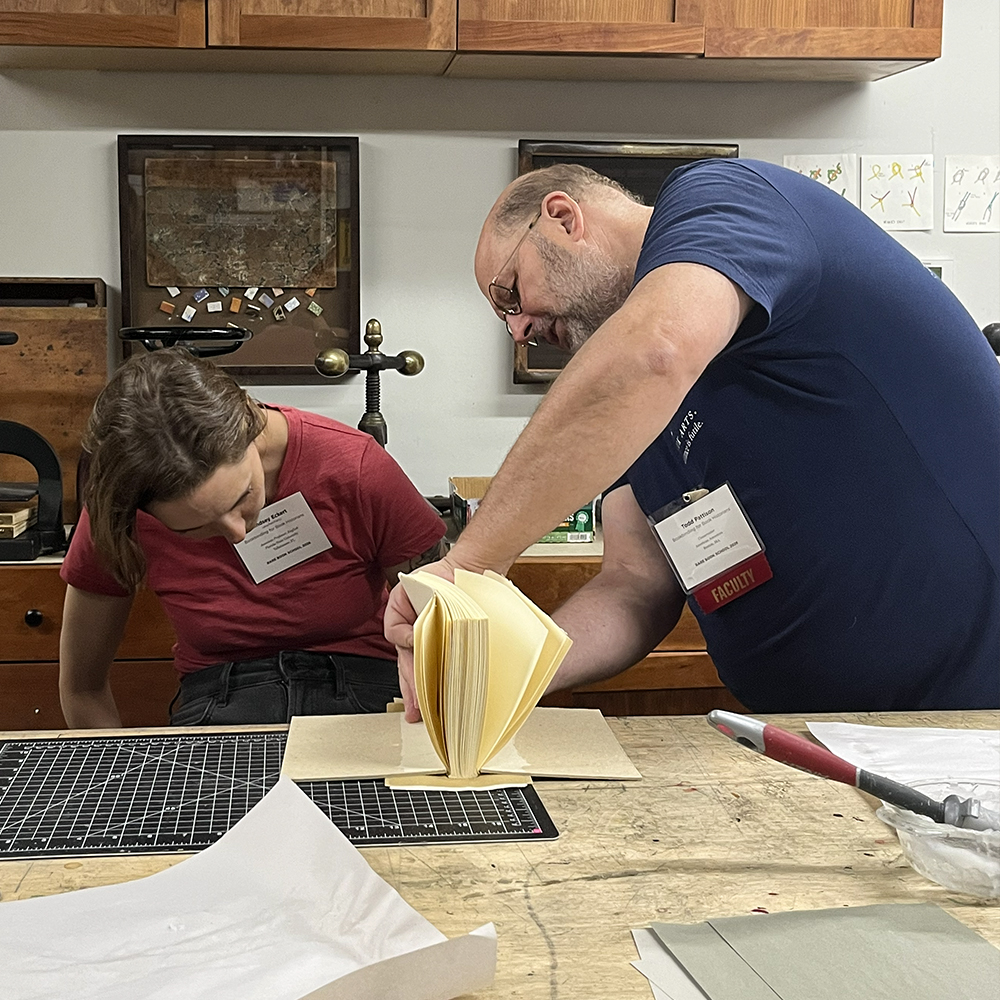
One week in mid-July was the culmination of a longstanding project between Bookbinding Department Head Jeff Altepeter BB ’99 and Todd Pattison, Boston-based conservator and Community Education Instructor. The pair taught “Bookbinding for Book Historians,” a class they developed and ran as part of the Rare Book School’s summer programming in the NBSS bindery. It welcomed in a dozen book historians from educational institutions across the country eager to understand the forms they study through a more hands-on approach. By the end of the week, the students walked away with not only three completed bindings, but a deeper understanding of historical book structures, informing their approach to research and teaching going forward. Through time spent making, studying historical examples, and lectures, the students created three bindings inspired by seventeenth/eighteenth-century laced-in leather trade binding, a boarded binding circa 1800, and a case binding from about 1840. The hours of research, lesson planning, gathering historical examples, and preparing materials for the teaching duo paid off, and the class was a great success.
Alex LaCava
Instructor, Piano Technology
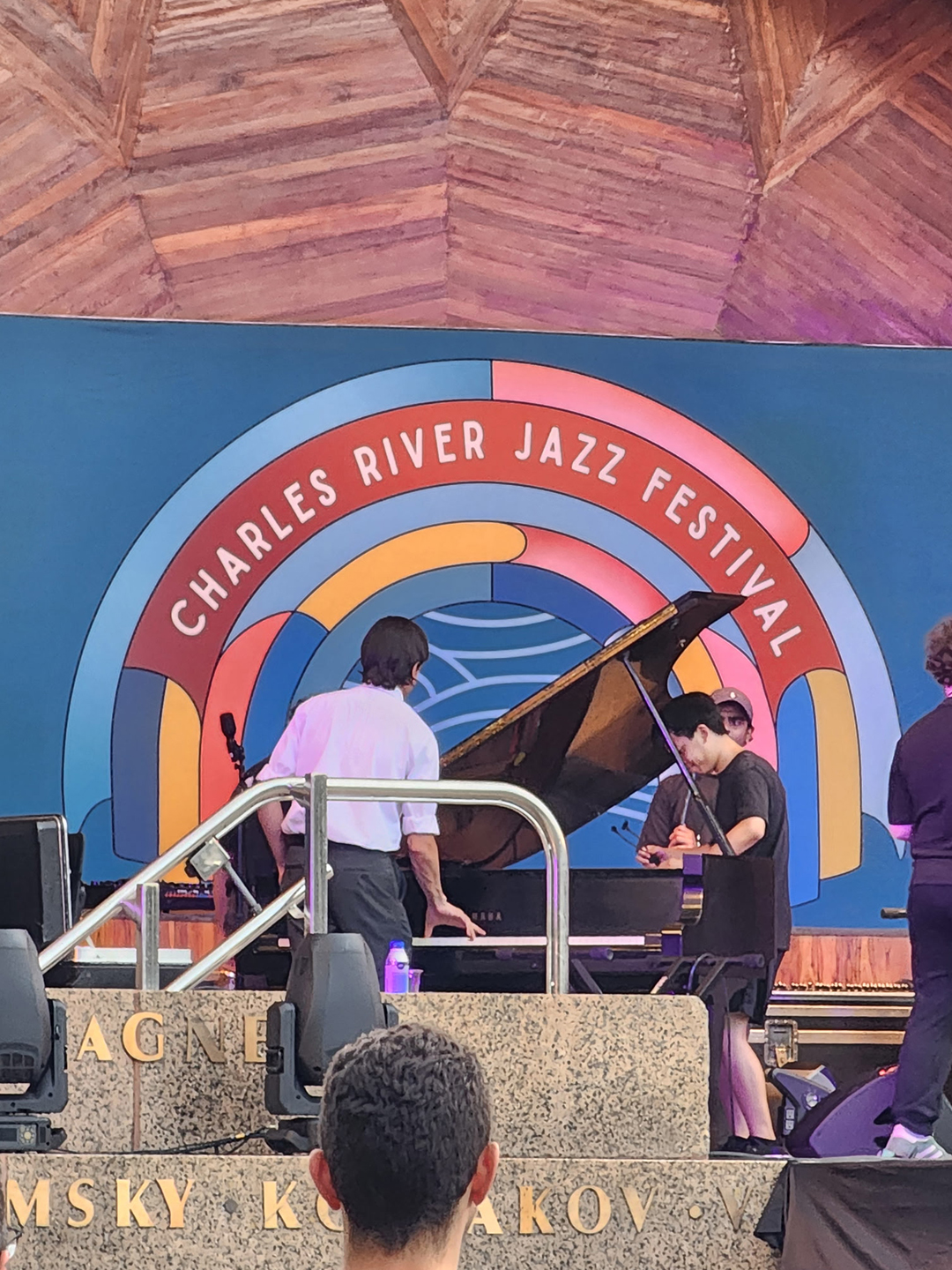
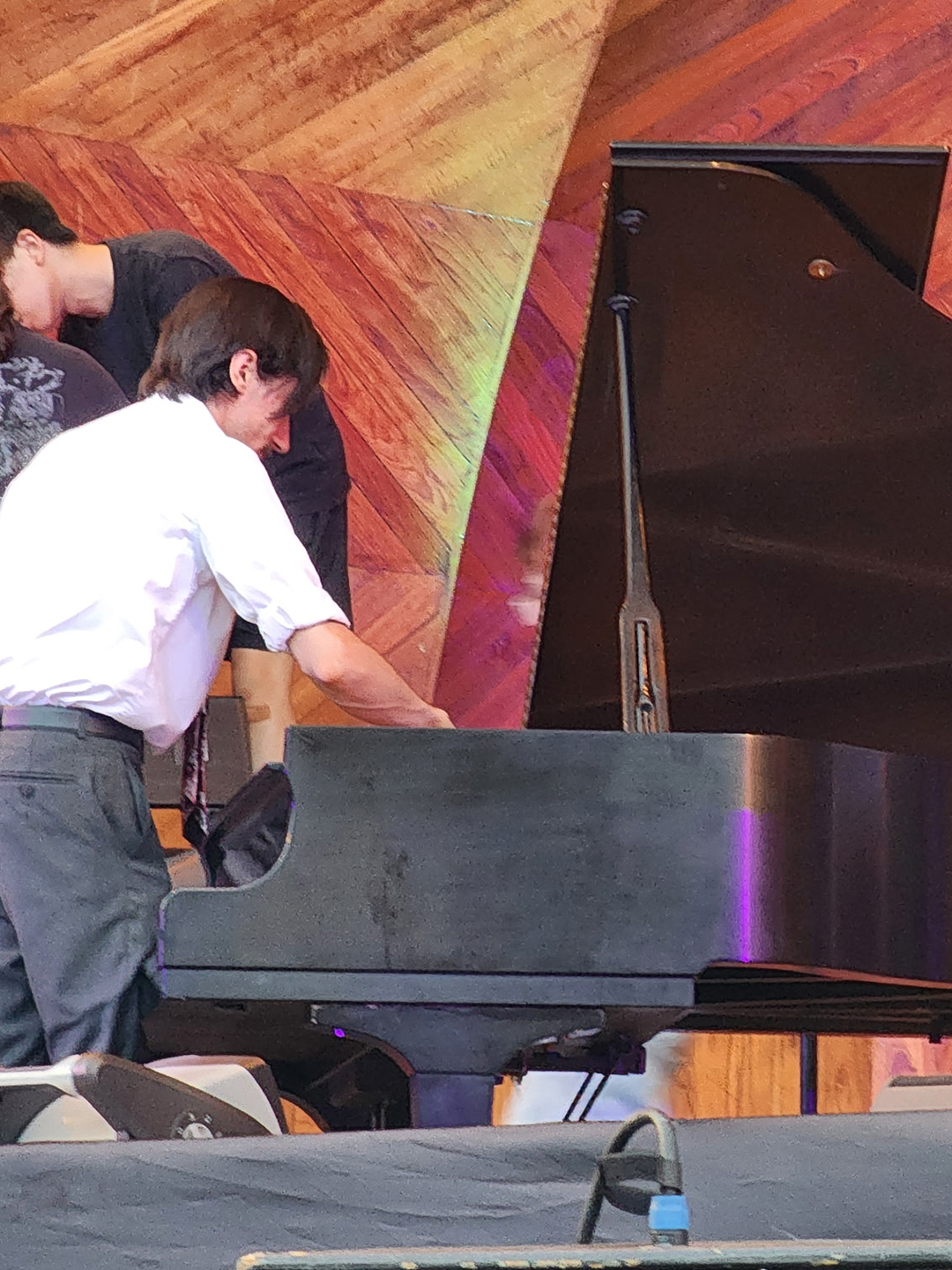
For piano technicians, the nicer weather and longer days mean ample job opportunities as outdoor concert season kicks into high gear. Most recently Piano Technology Instructor Alex LaCava worked as the concert technician for the Charles River Jazz Festival. The festival included an array of incredible artists at the iconic Hatch Memorial Shell along the Charles River Esplanade.
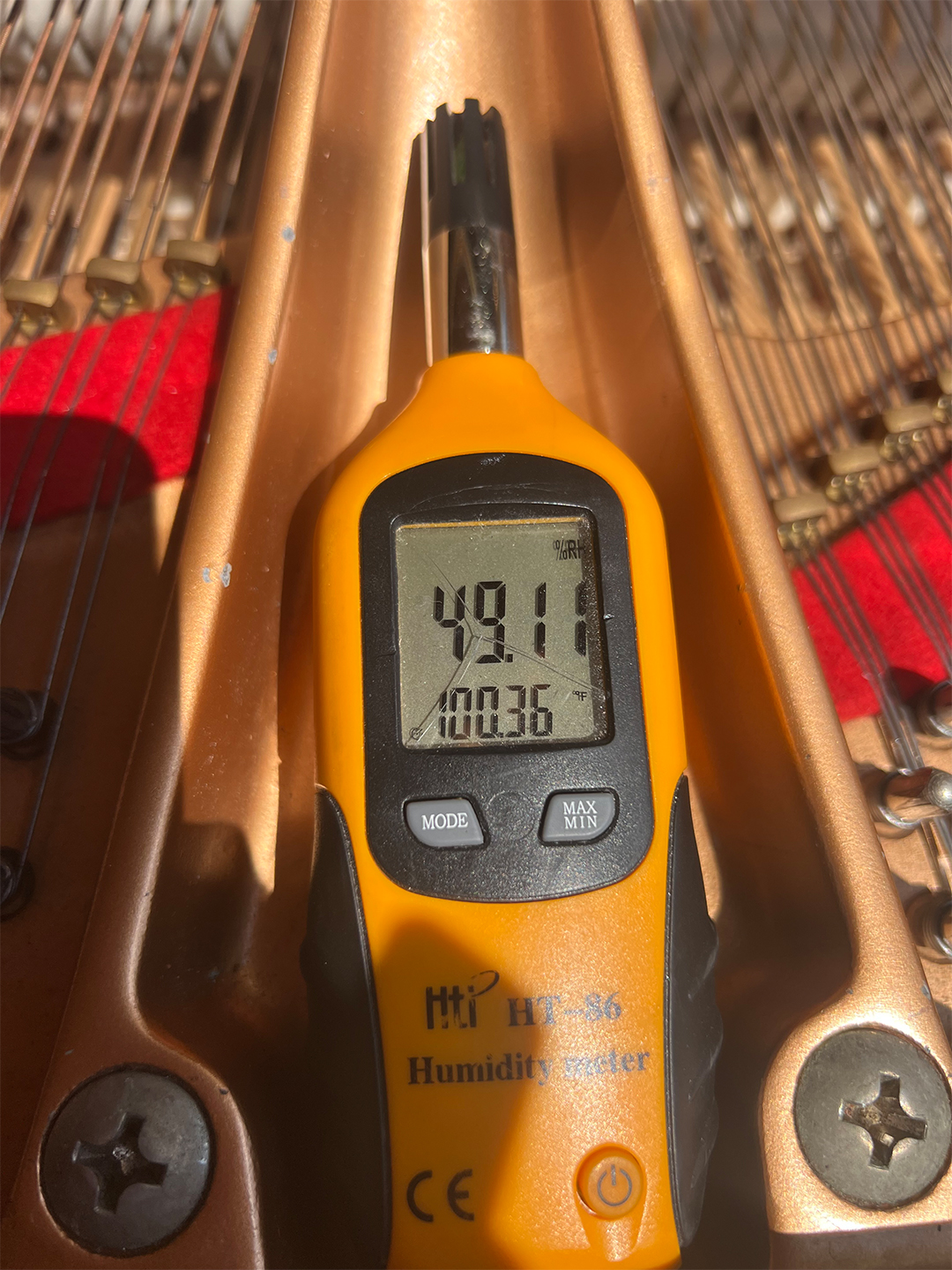
Alex shared a bit about their experience working the event, in particular the challenges that came with hotter than normal temperatures during the festival. At times, onstage temperatures rose to nearly 100°F. At the beginning of the day Alex would tune the piano to standard concert pitch, A4 = 440hz. But as steel strings sat in direct sunlight due to stage layout, they became warm and more flexible. This led to the whole piano dropping in pitch by about 15¢—in other words pitch dropped 15% of the way to sounding like G# instead of A.
As a result, Alex would work on stabilizing the piano between each set during a performance. This required them to work efficiently in a tight window of time and predict how the pitch would change as the weather changed. Such complex, on-the-spot problem solving was highly rewarding for Alex, as it allowed the artists to give the best possible performance they could for their audience.