2026 Graduation Ceremony
Categories
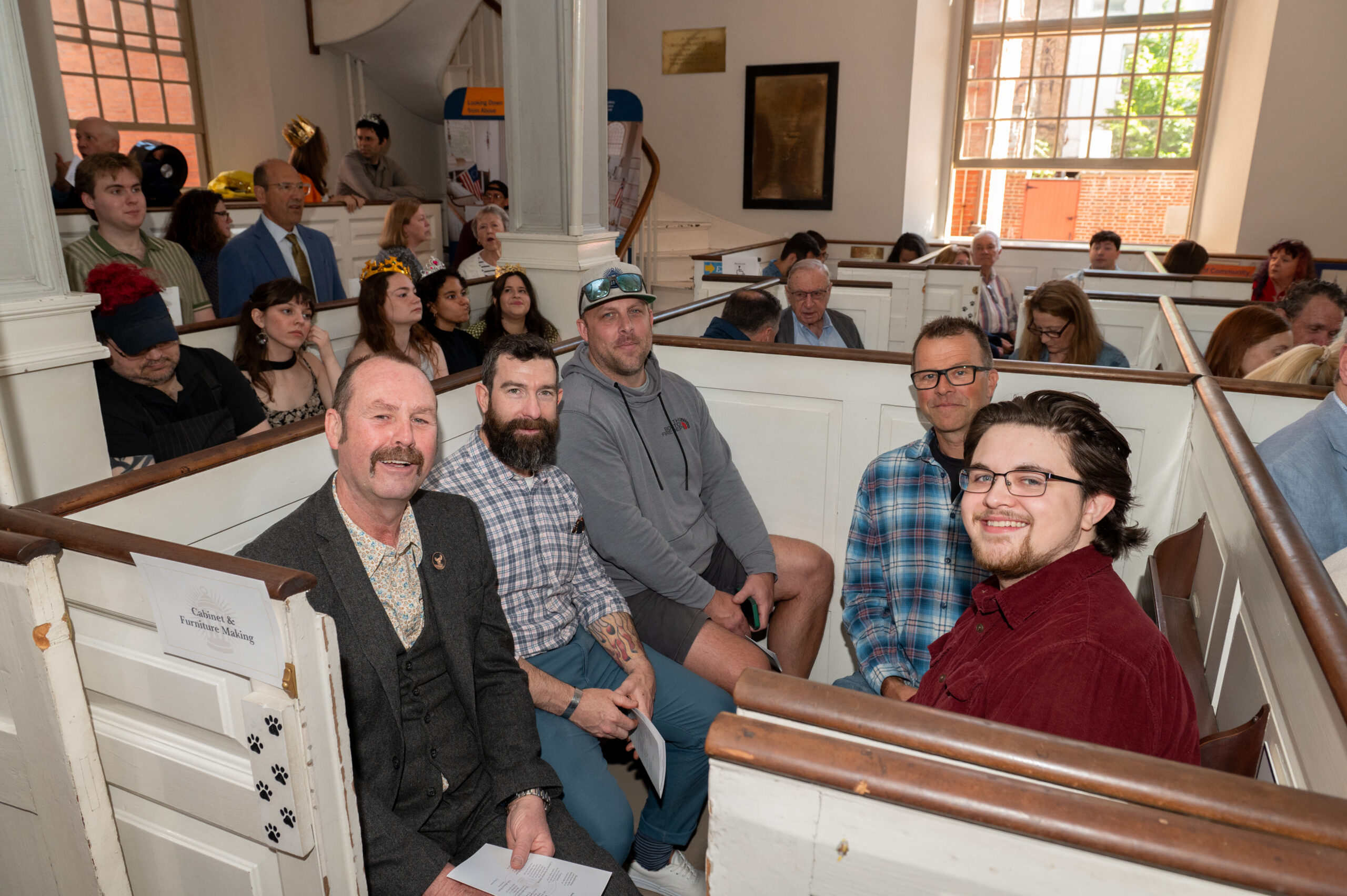
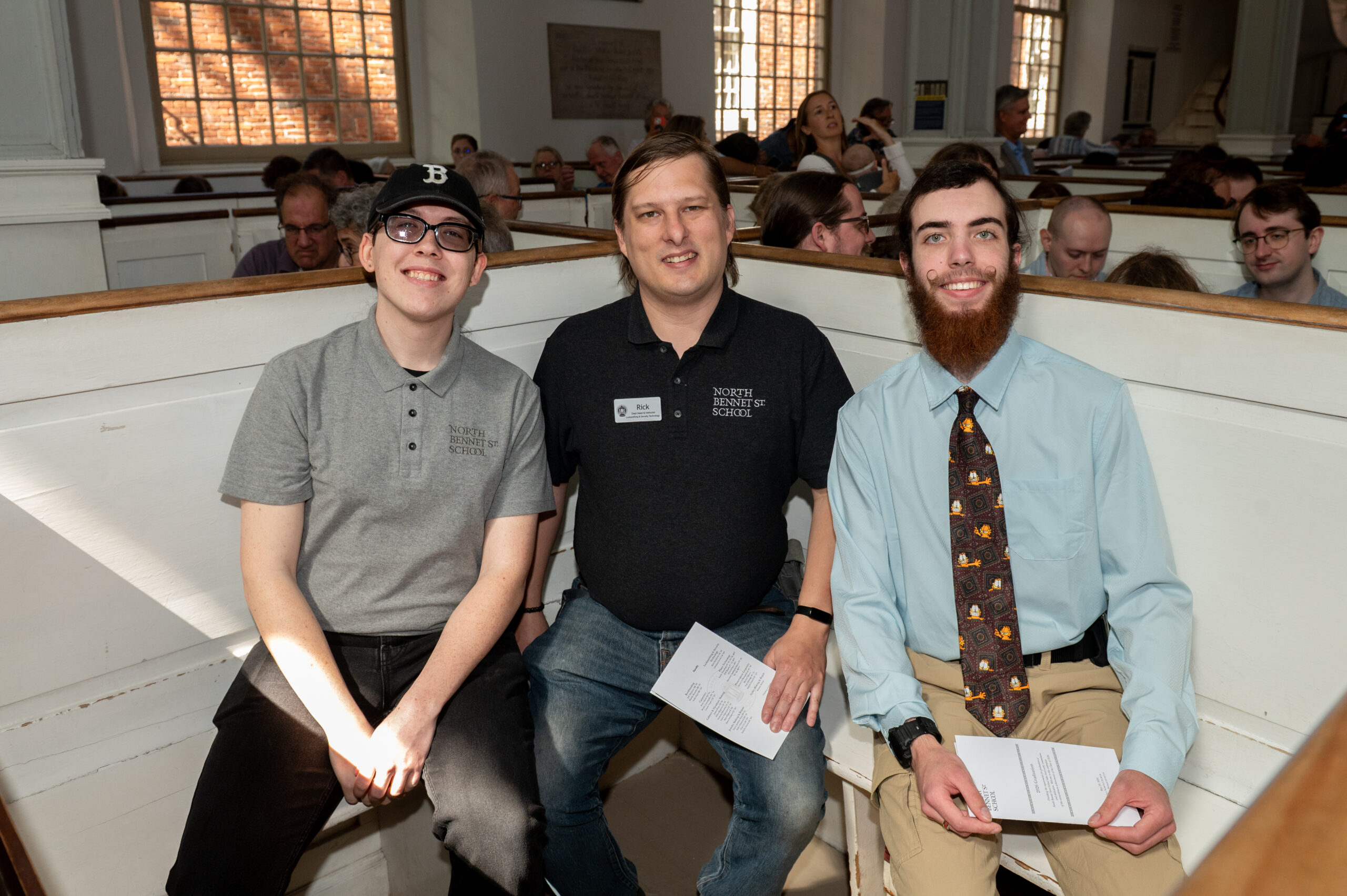
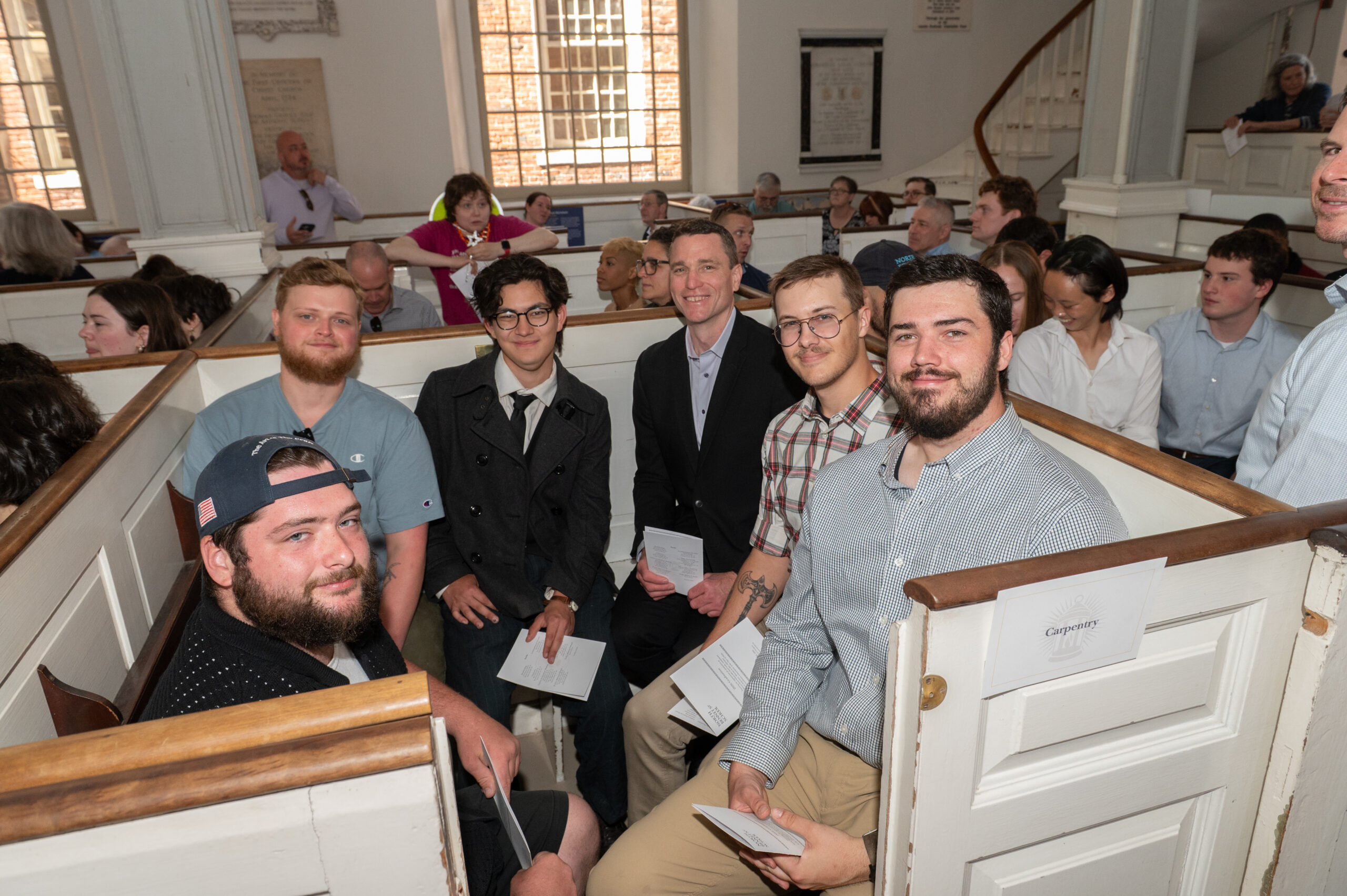
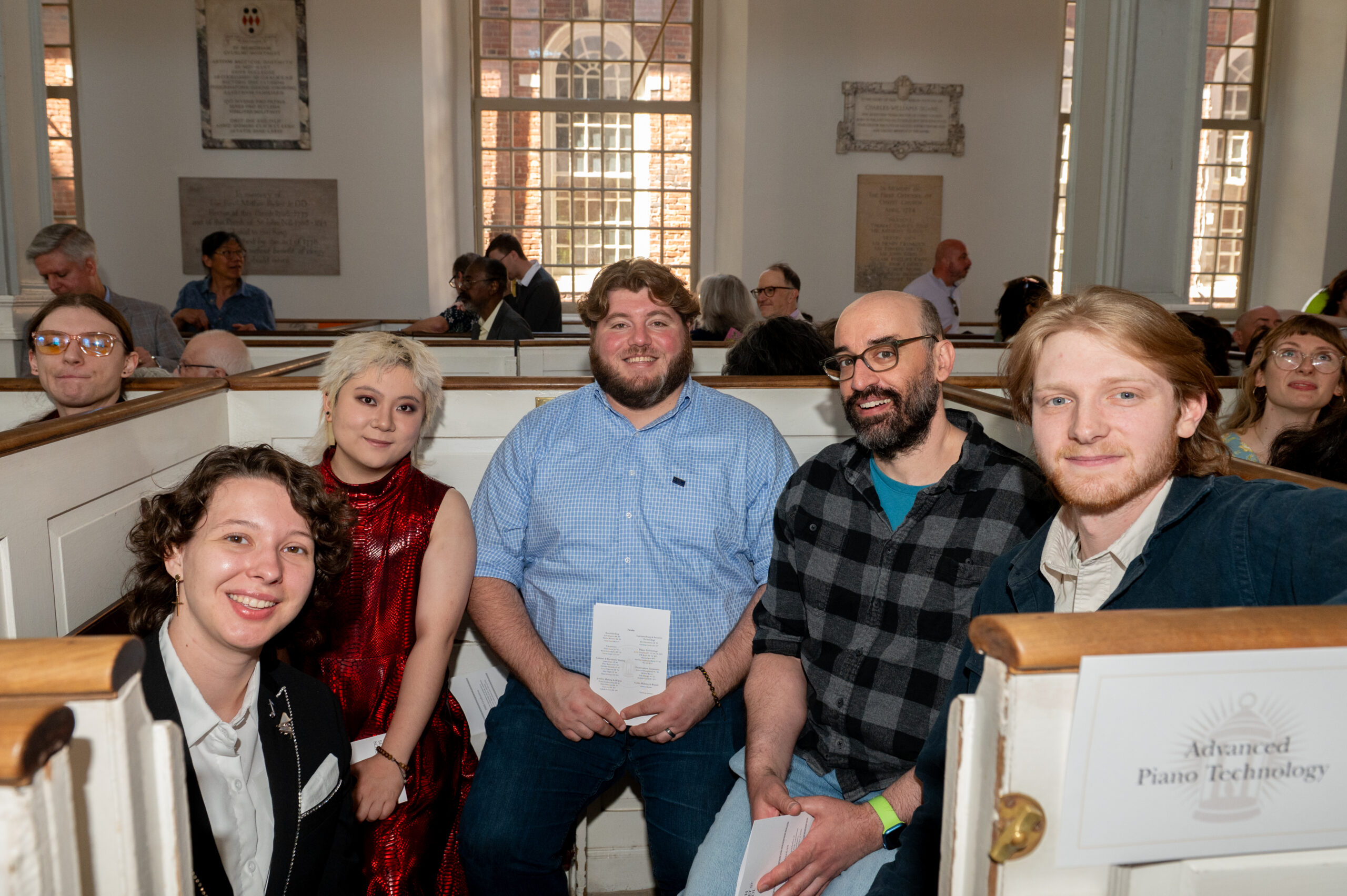
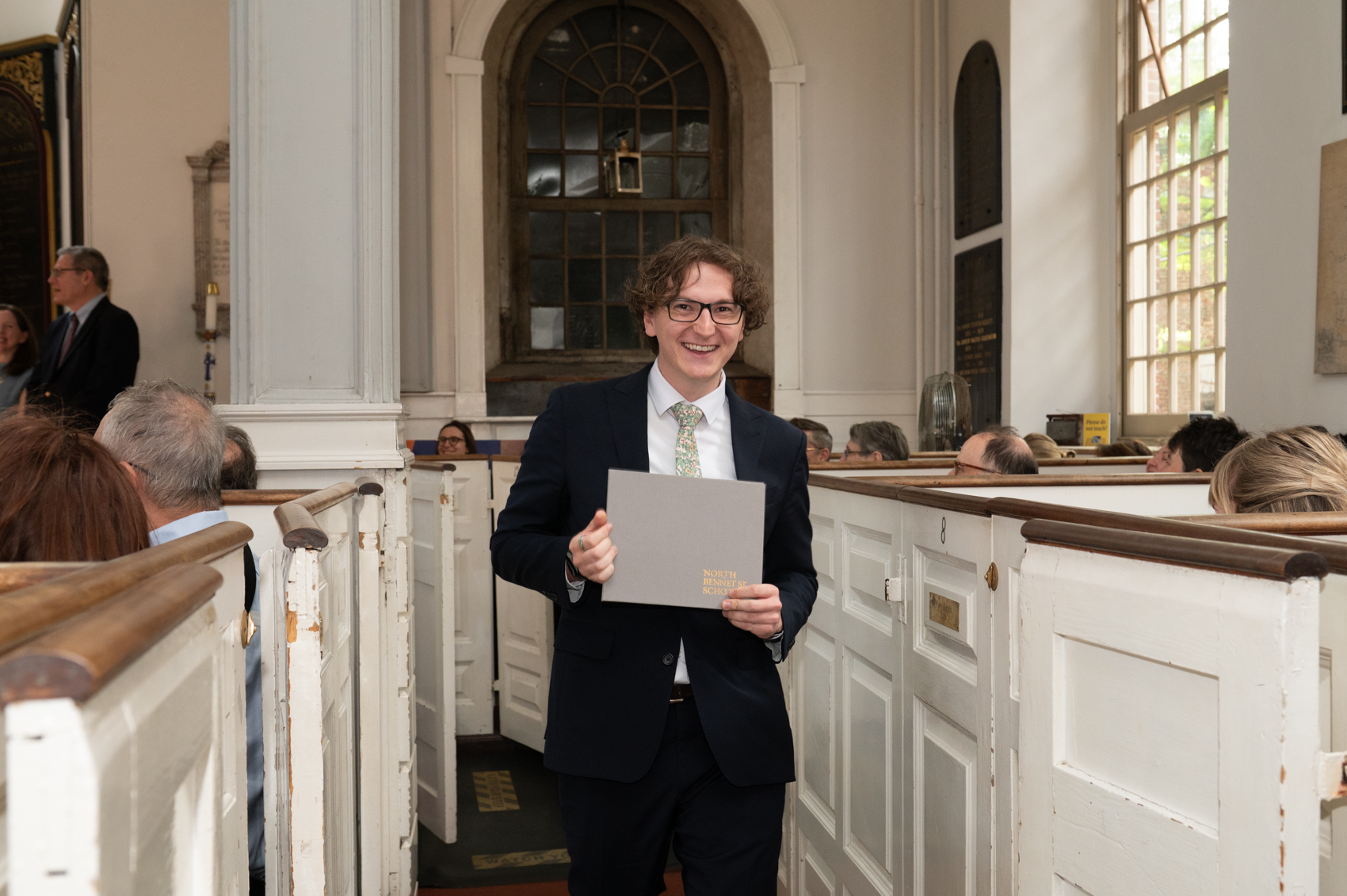
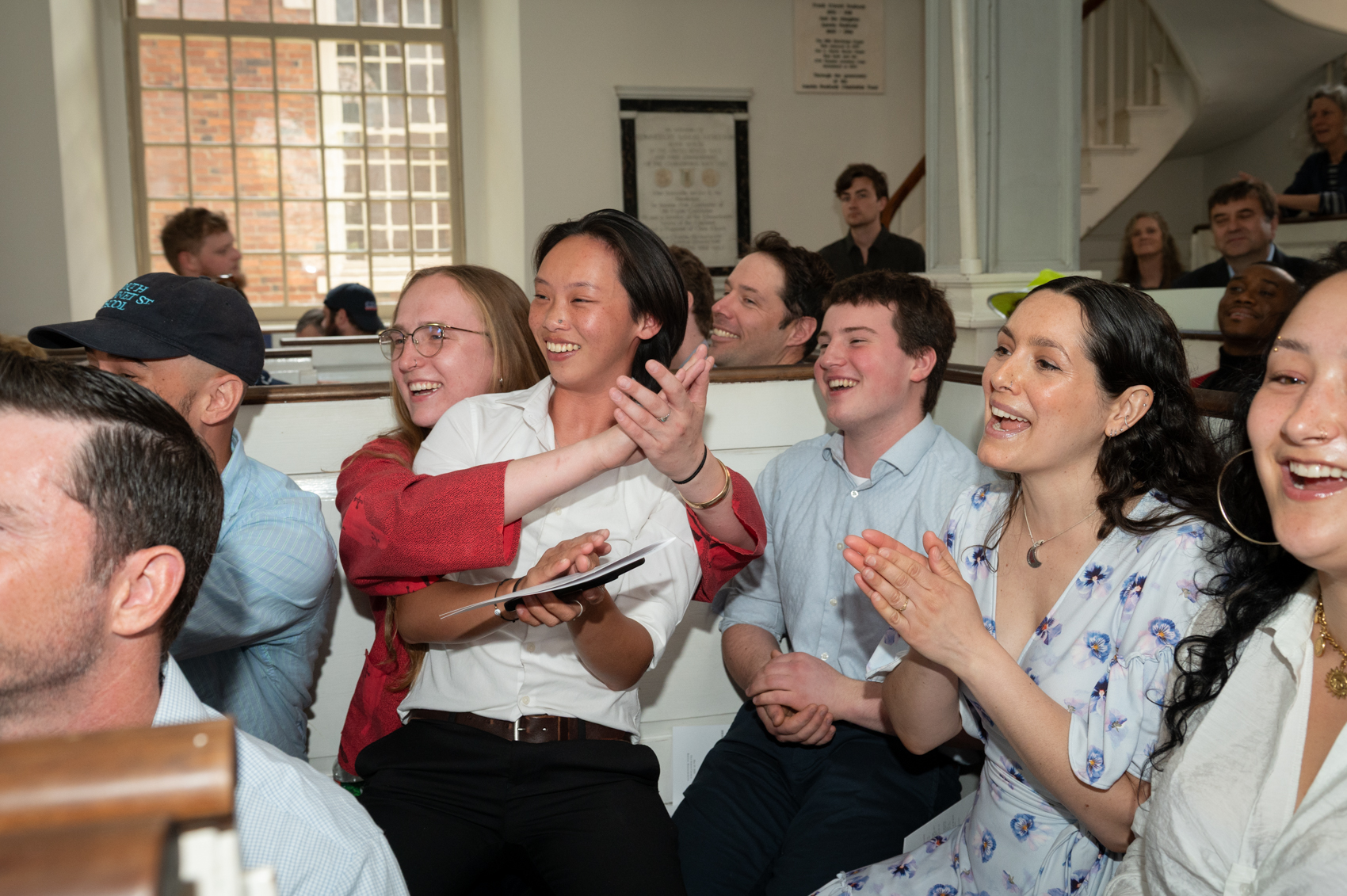
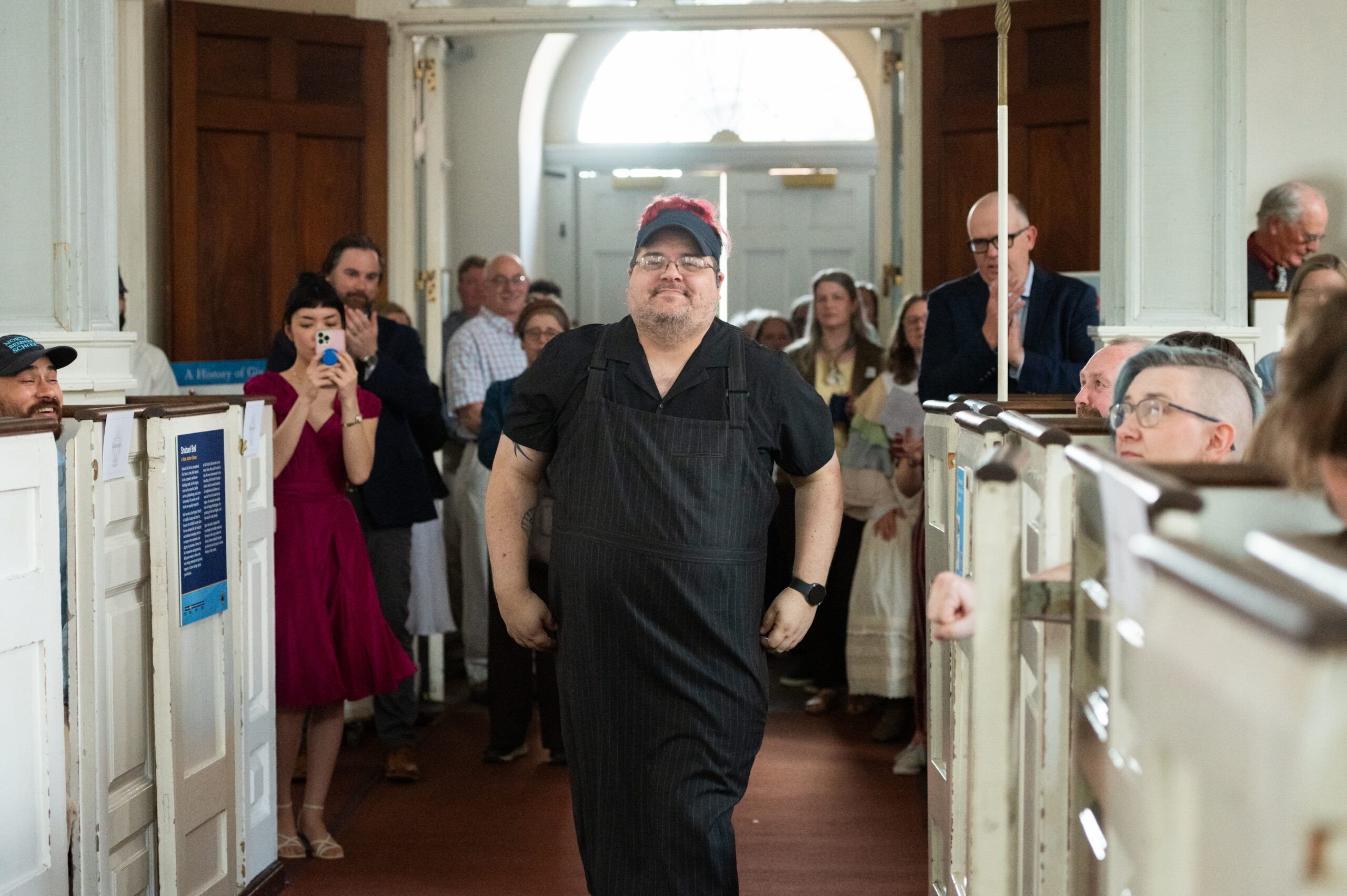
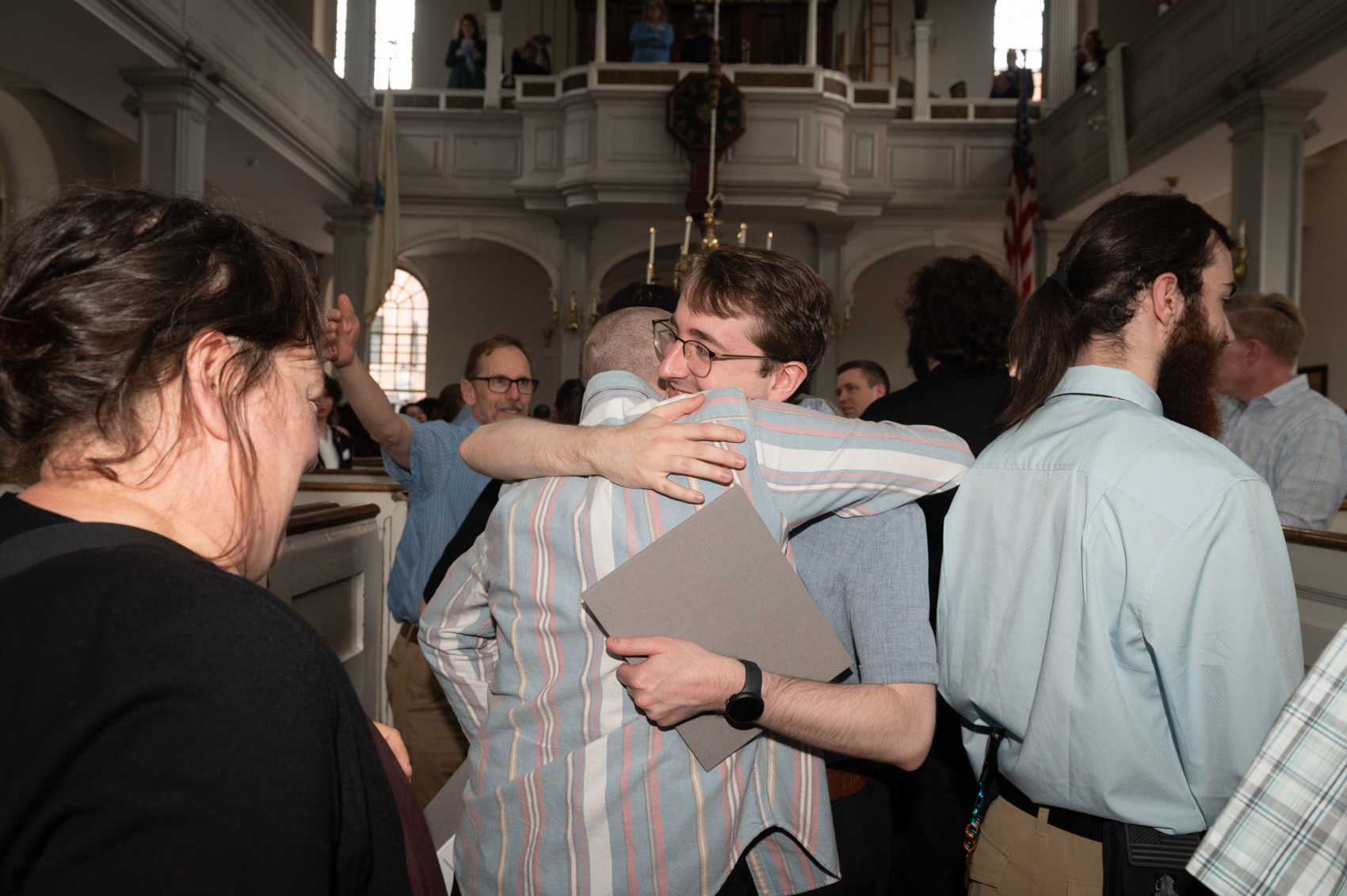
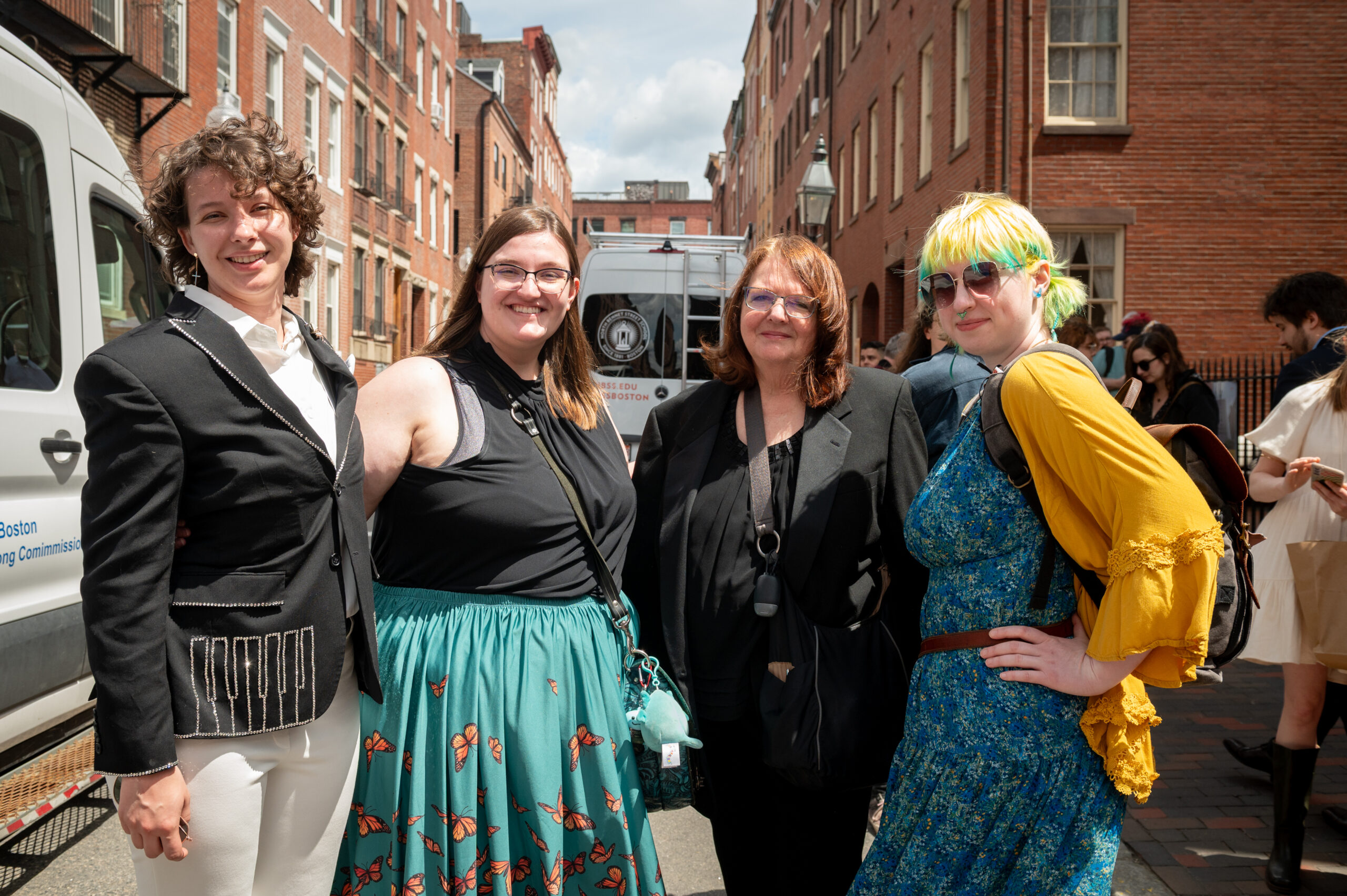
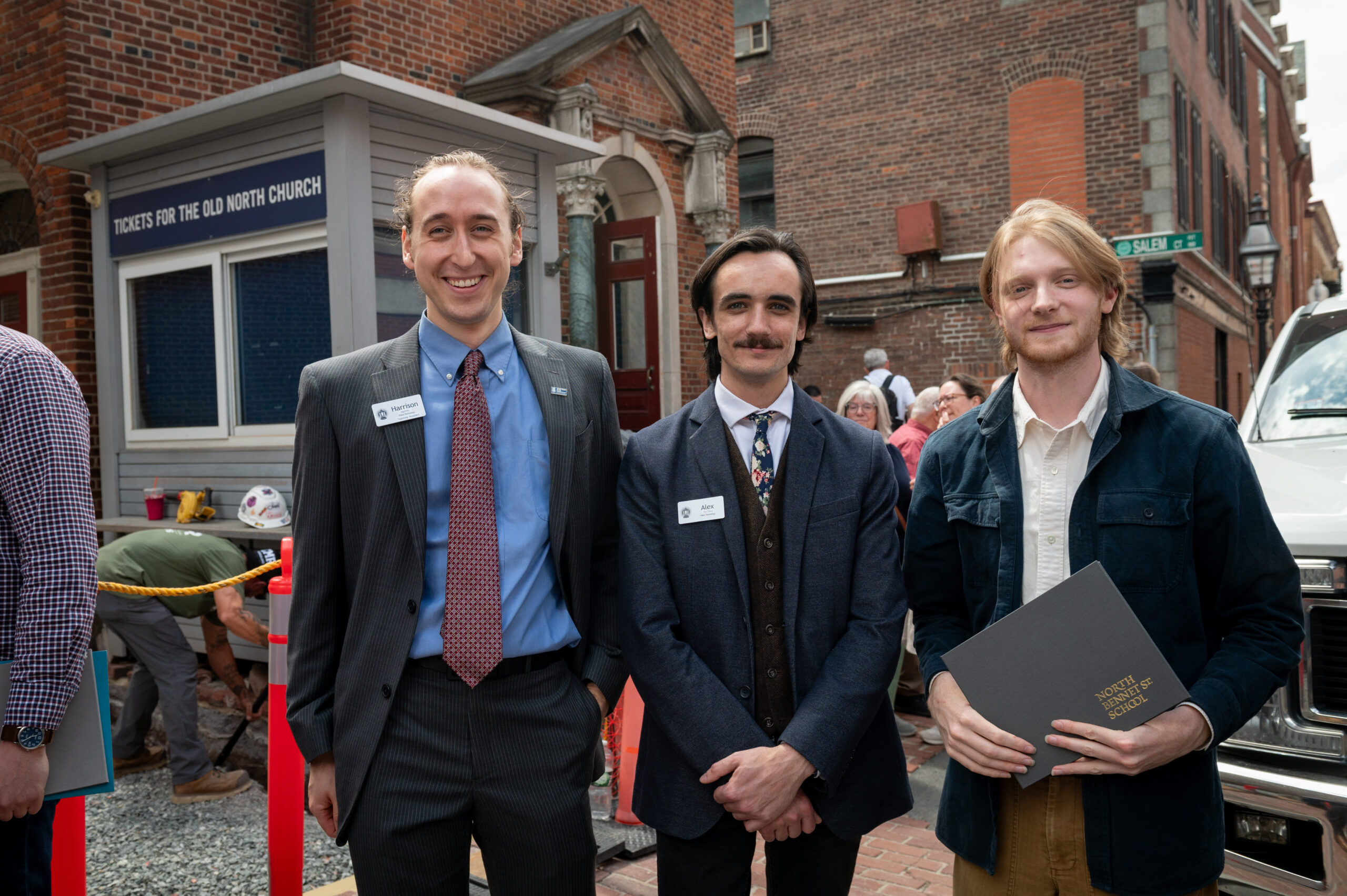
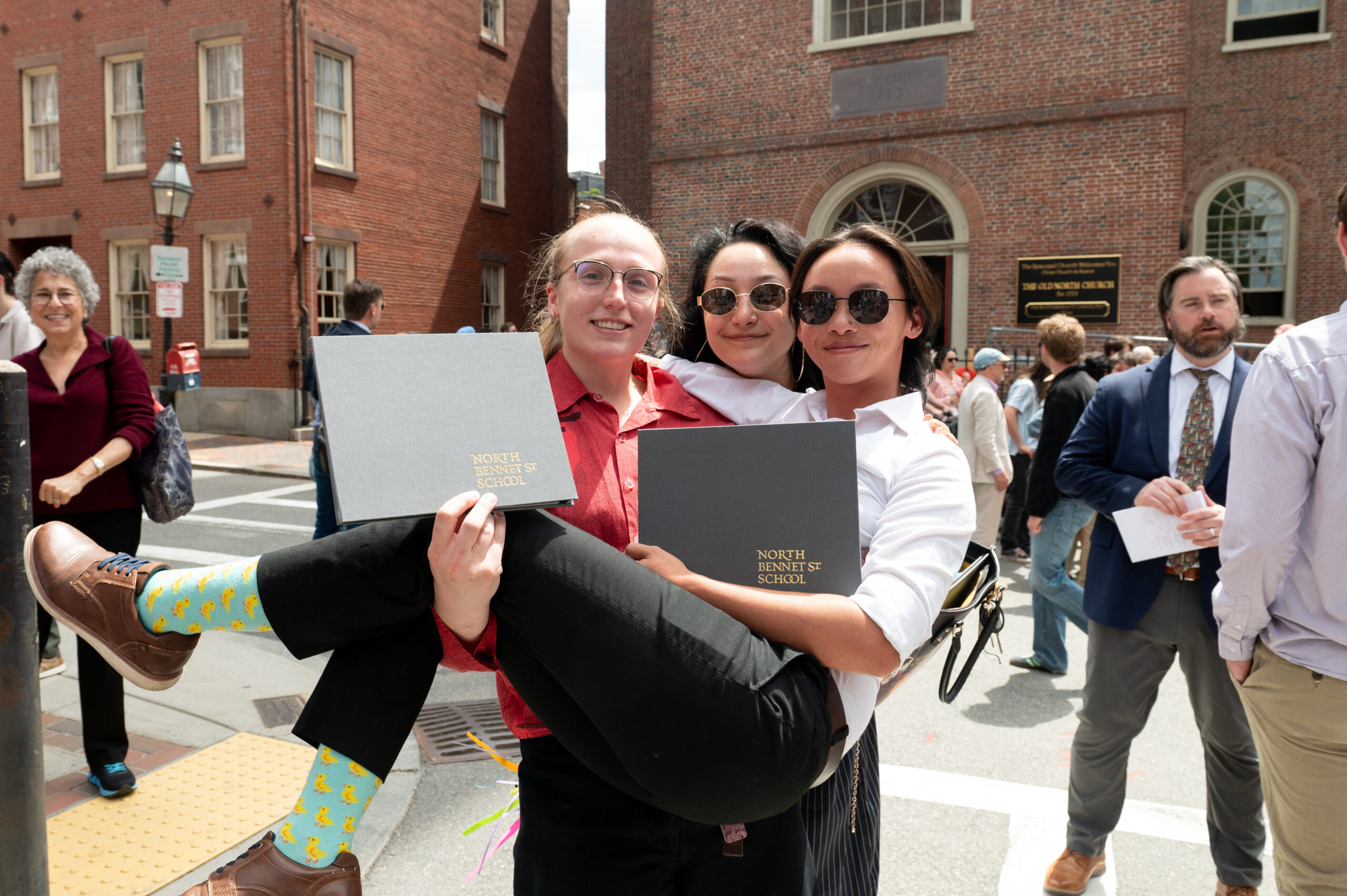
AlumniFinishing the requirements for graduation at North Bennet Street School takes hard work, commitment, and dedication at the best of times. Our 2026 graduating class demonstrated these qualities and more, staying the course through the one, two, or three years of their career training programs. We couldn’t be more proud of all that they have accomplished.
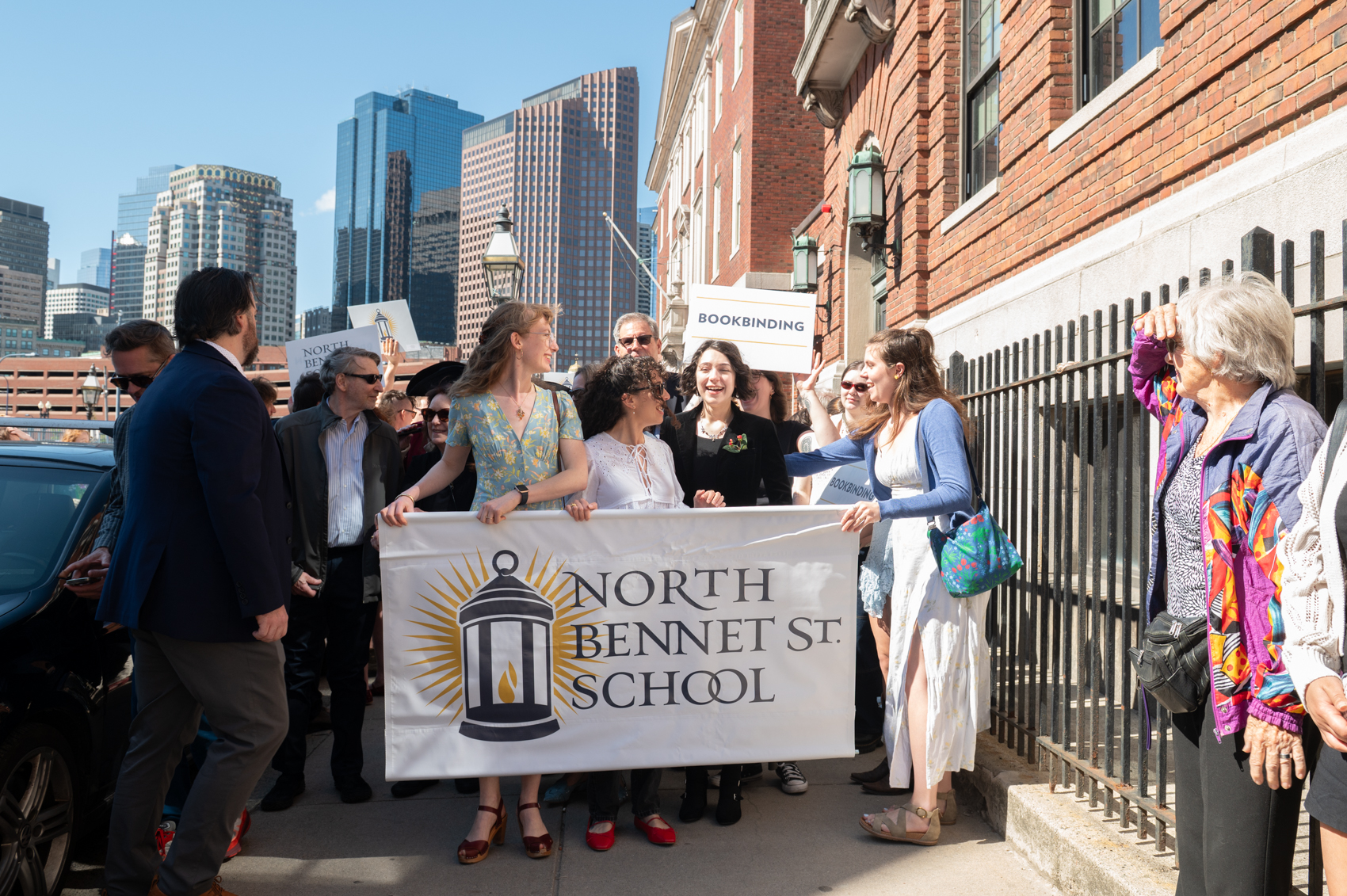
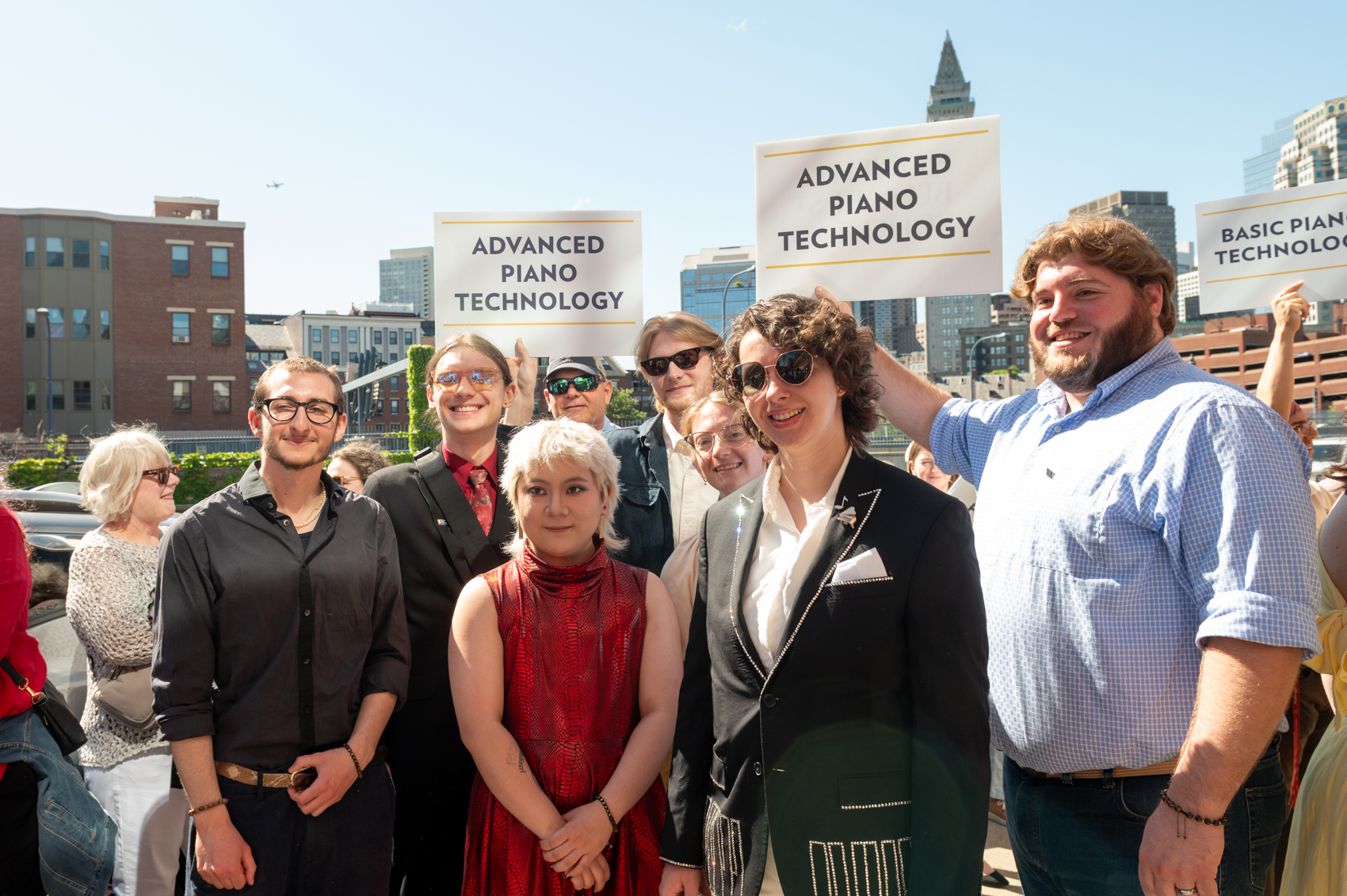
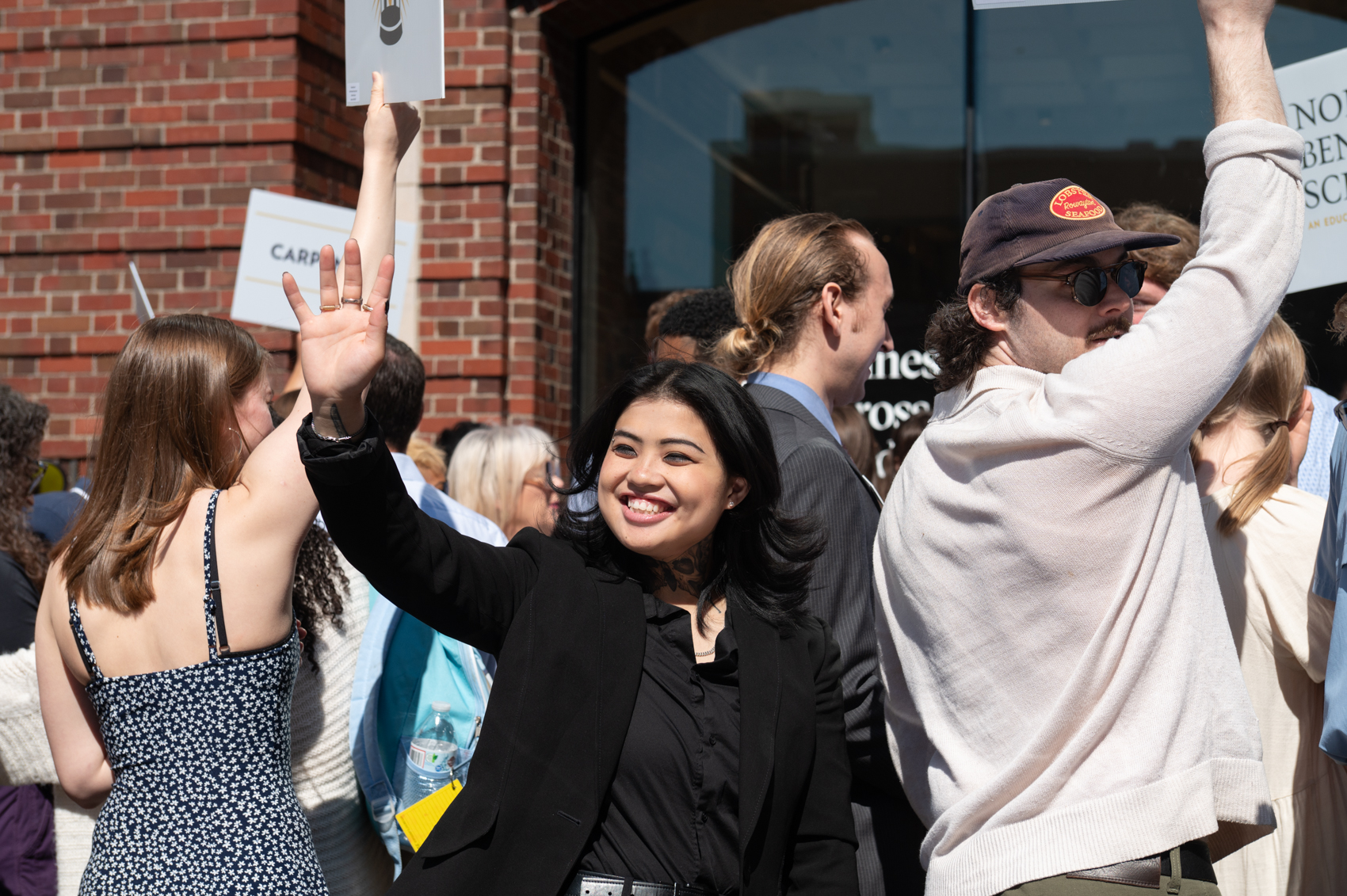
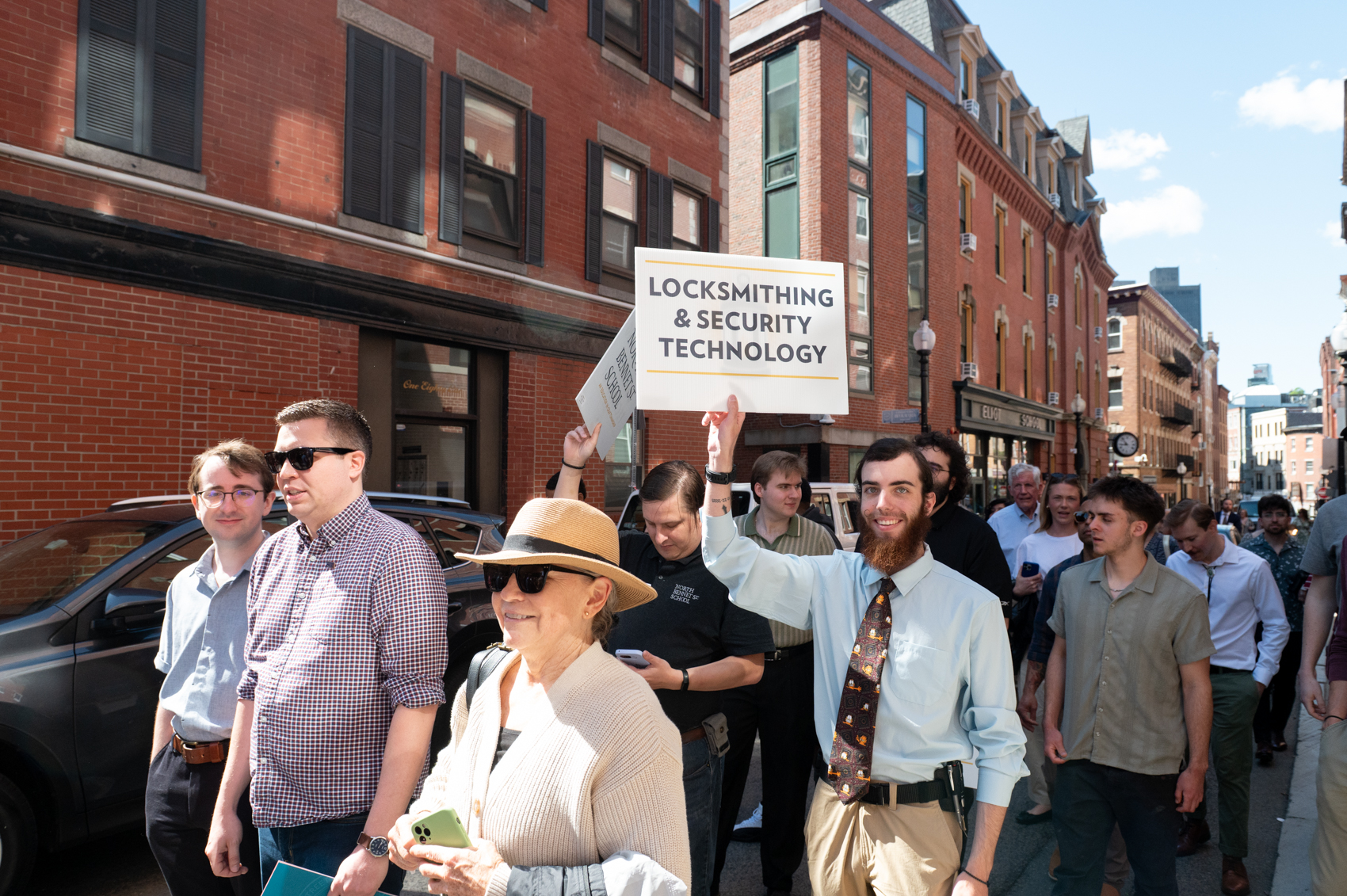
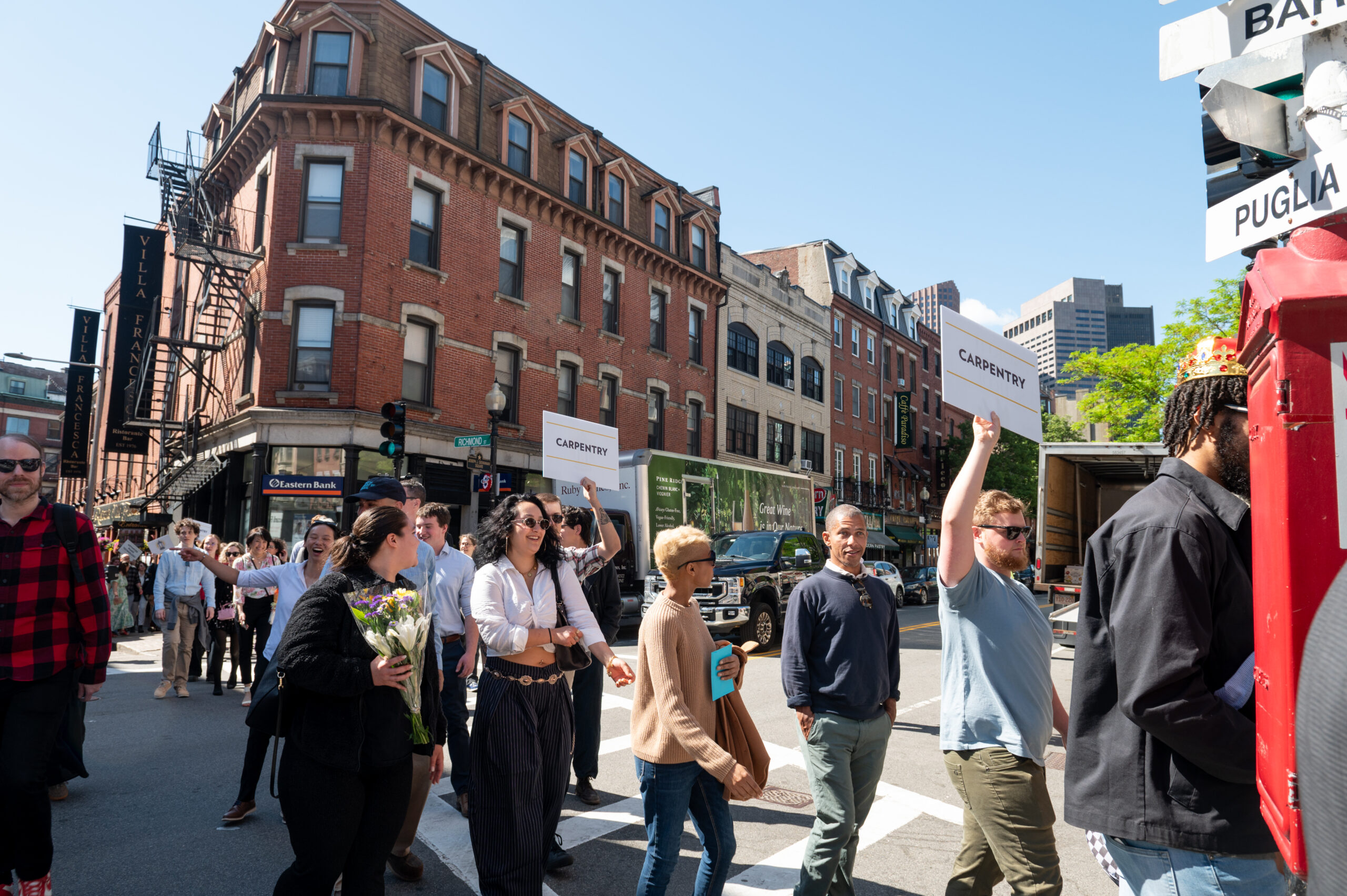
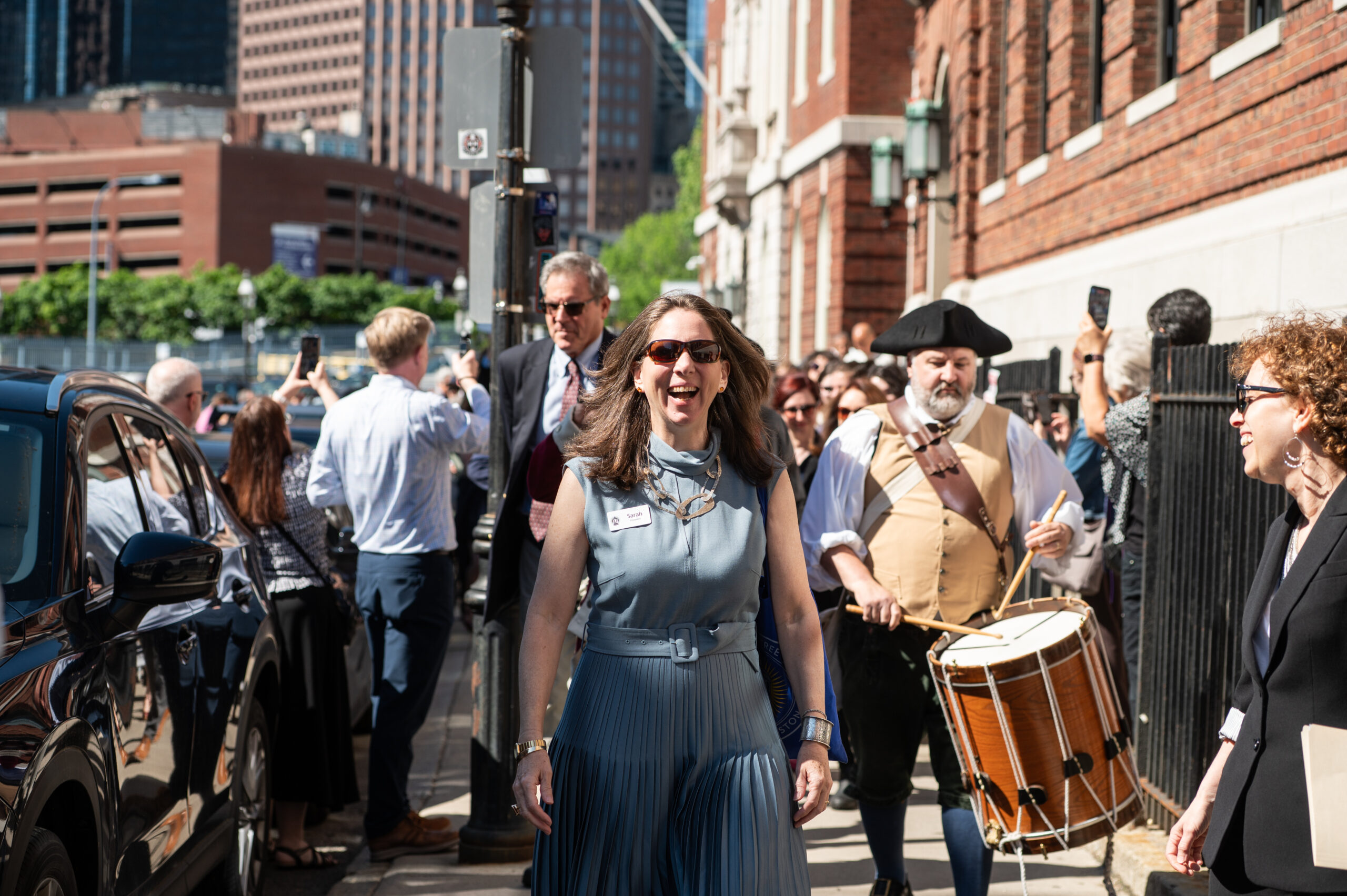
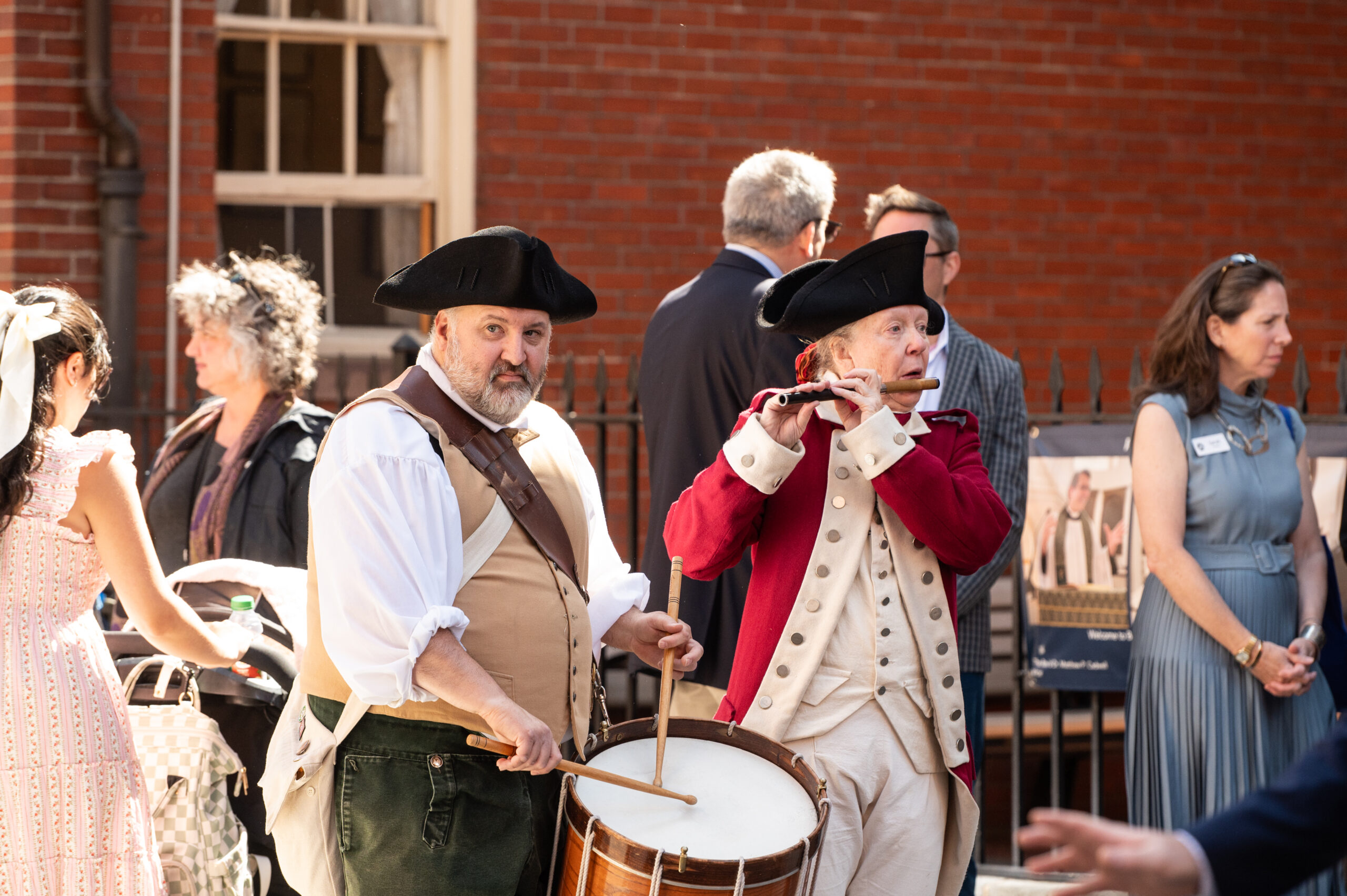
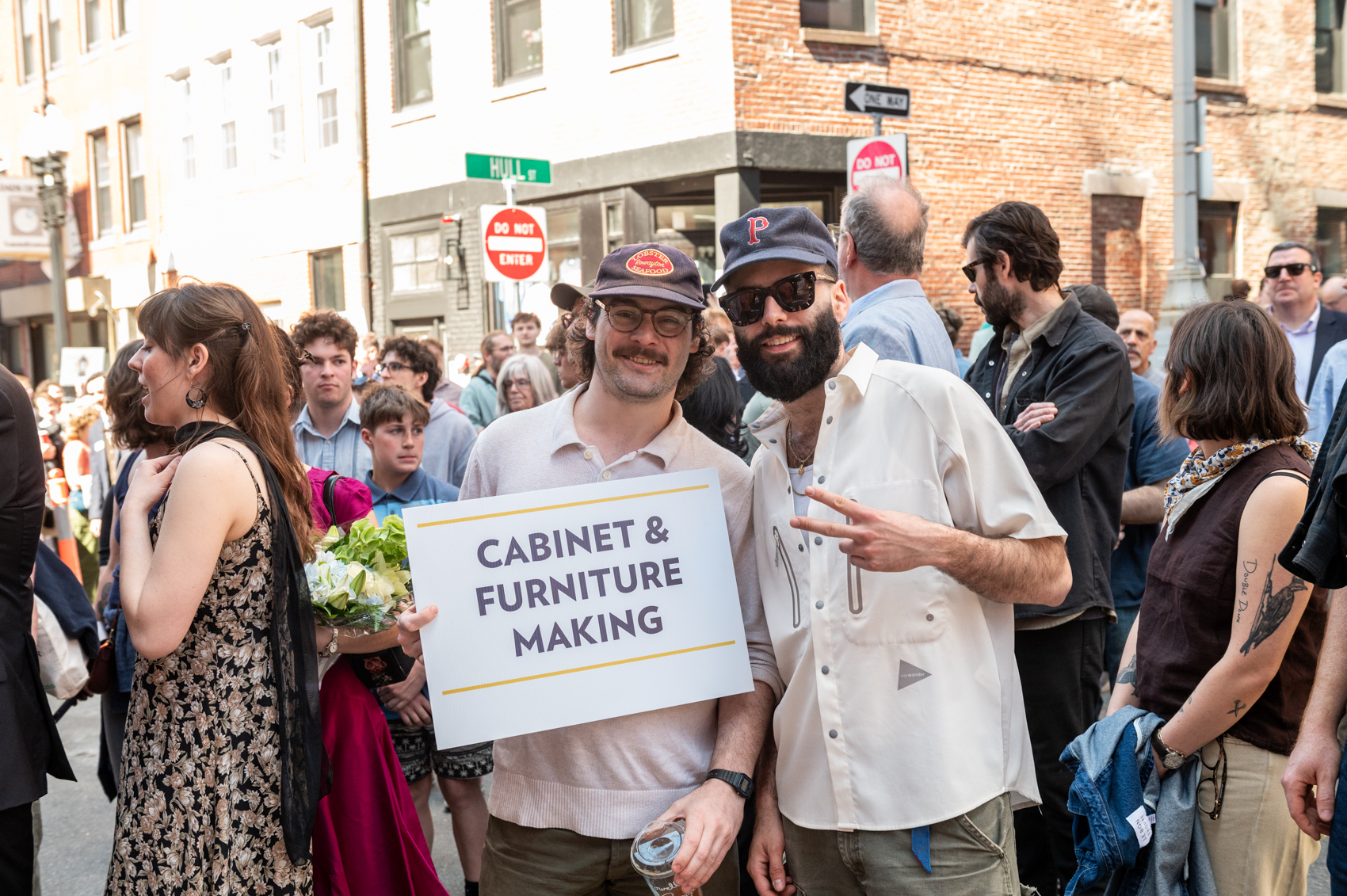
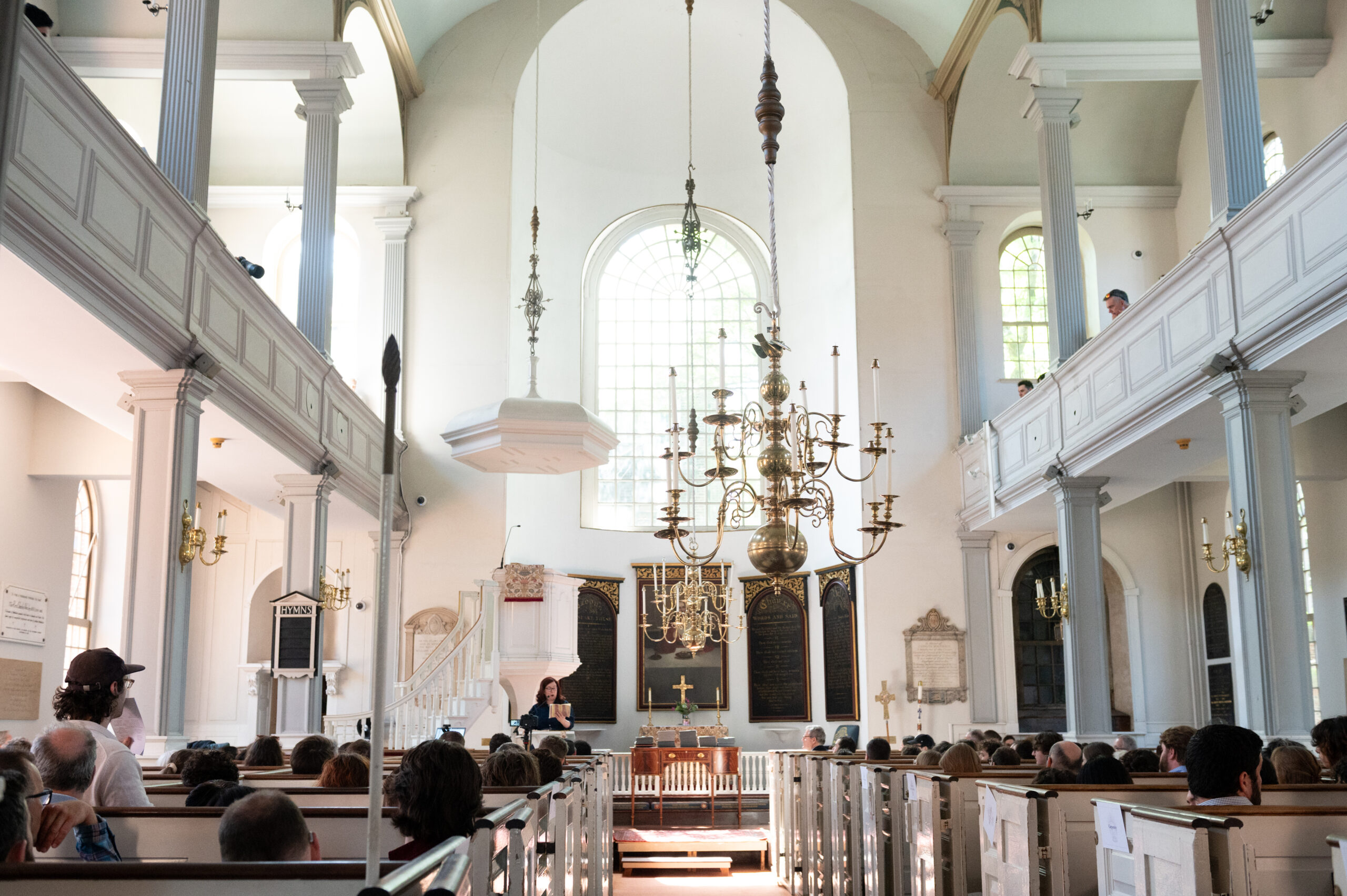
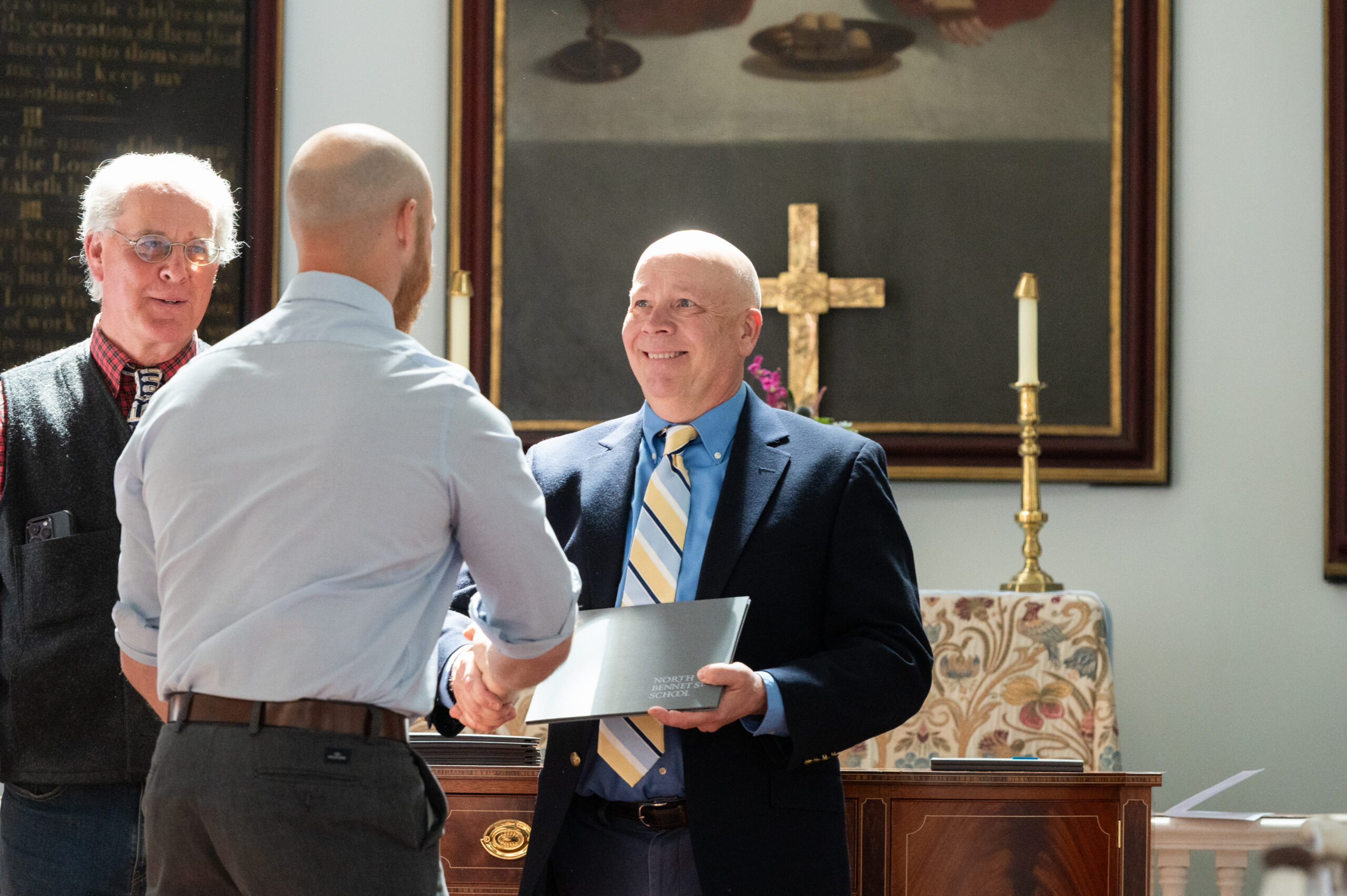
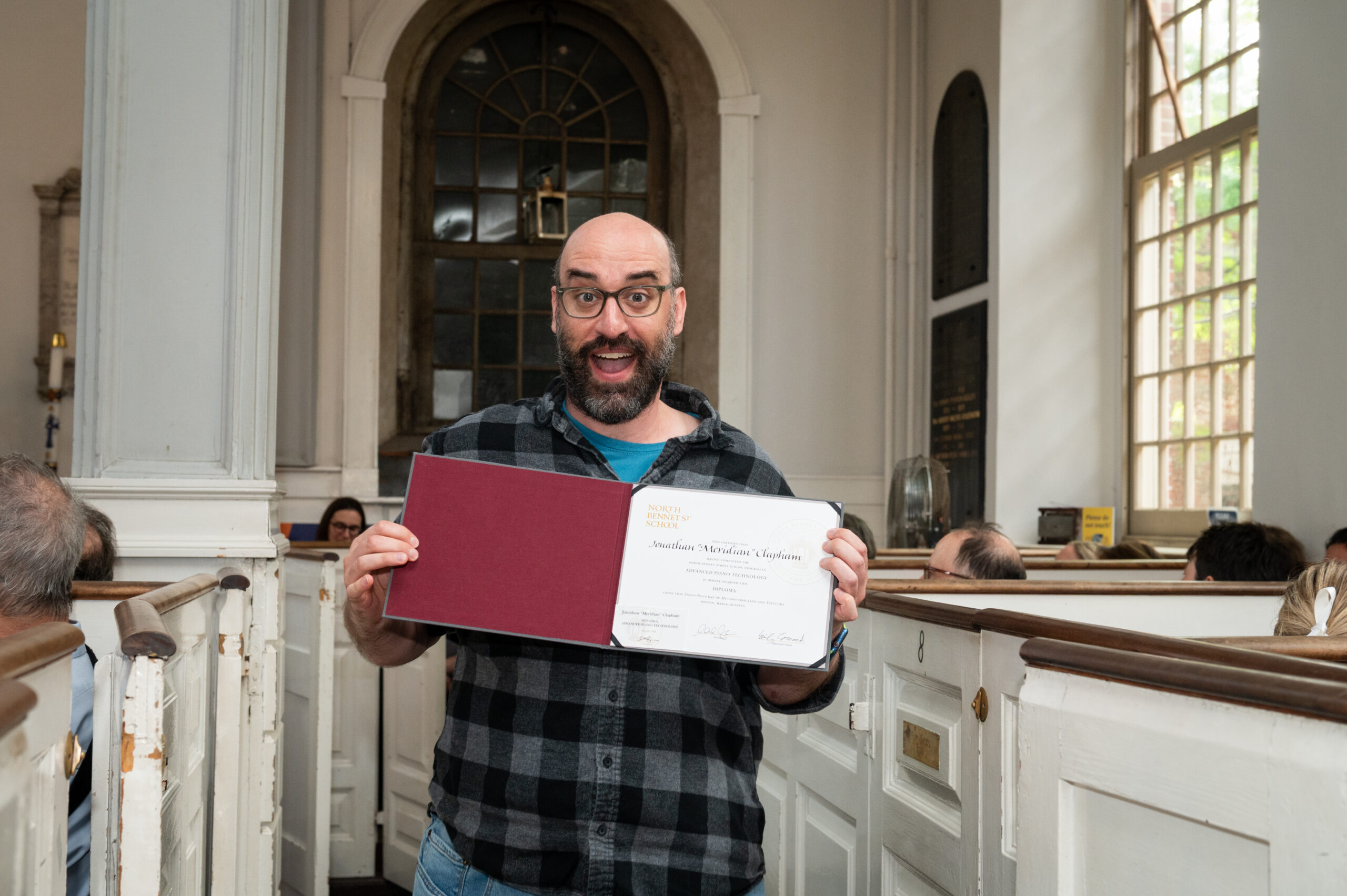
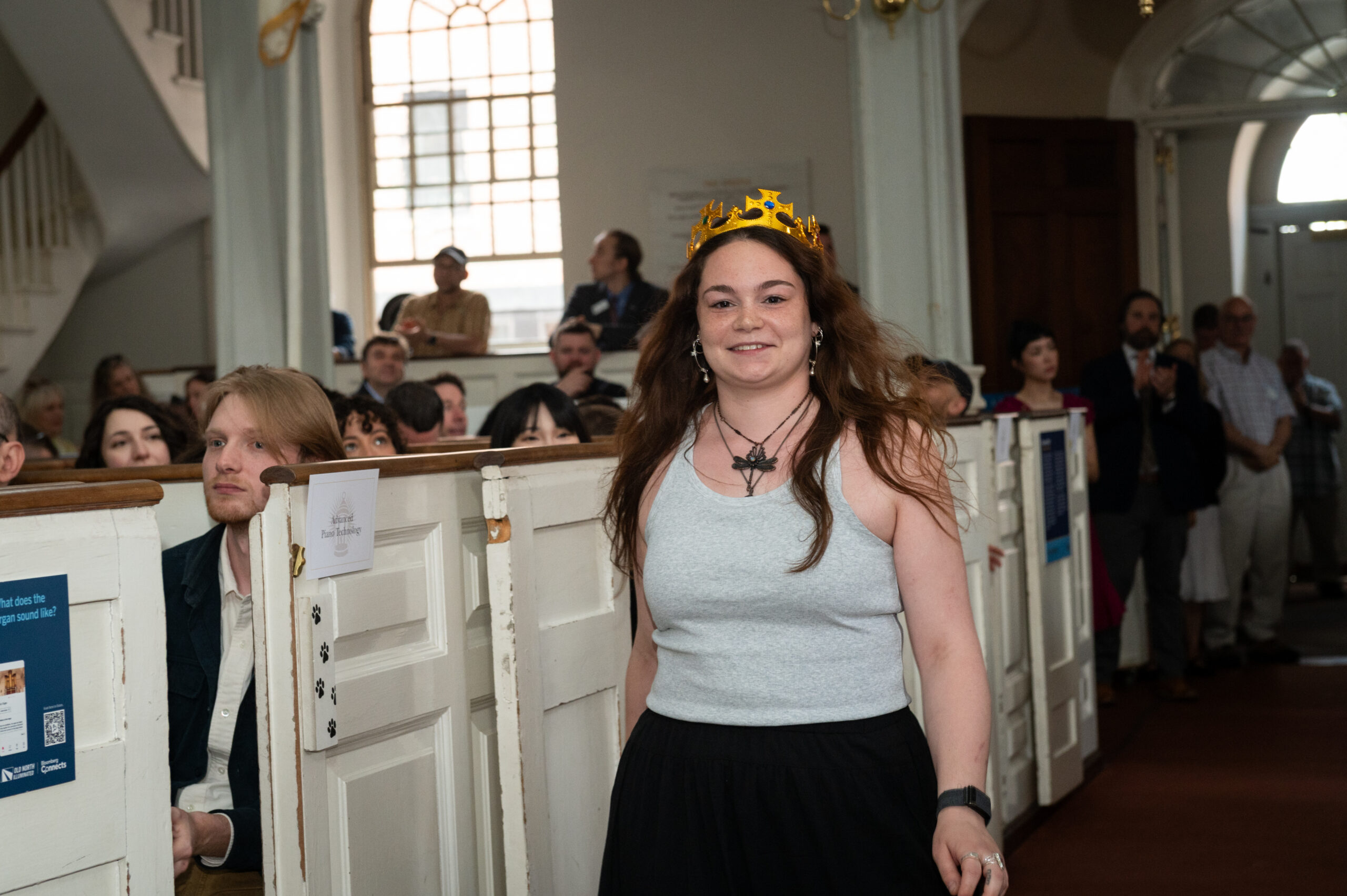
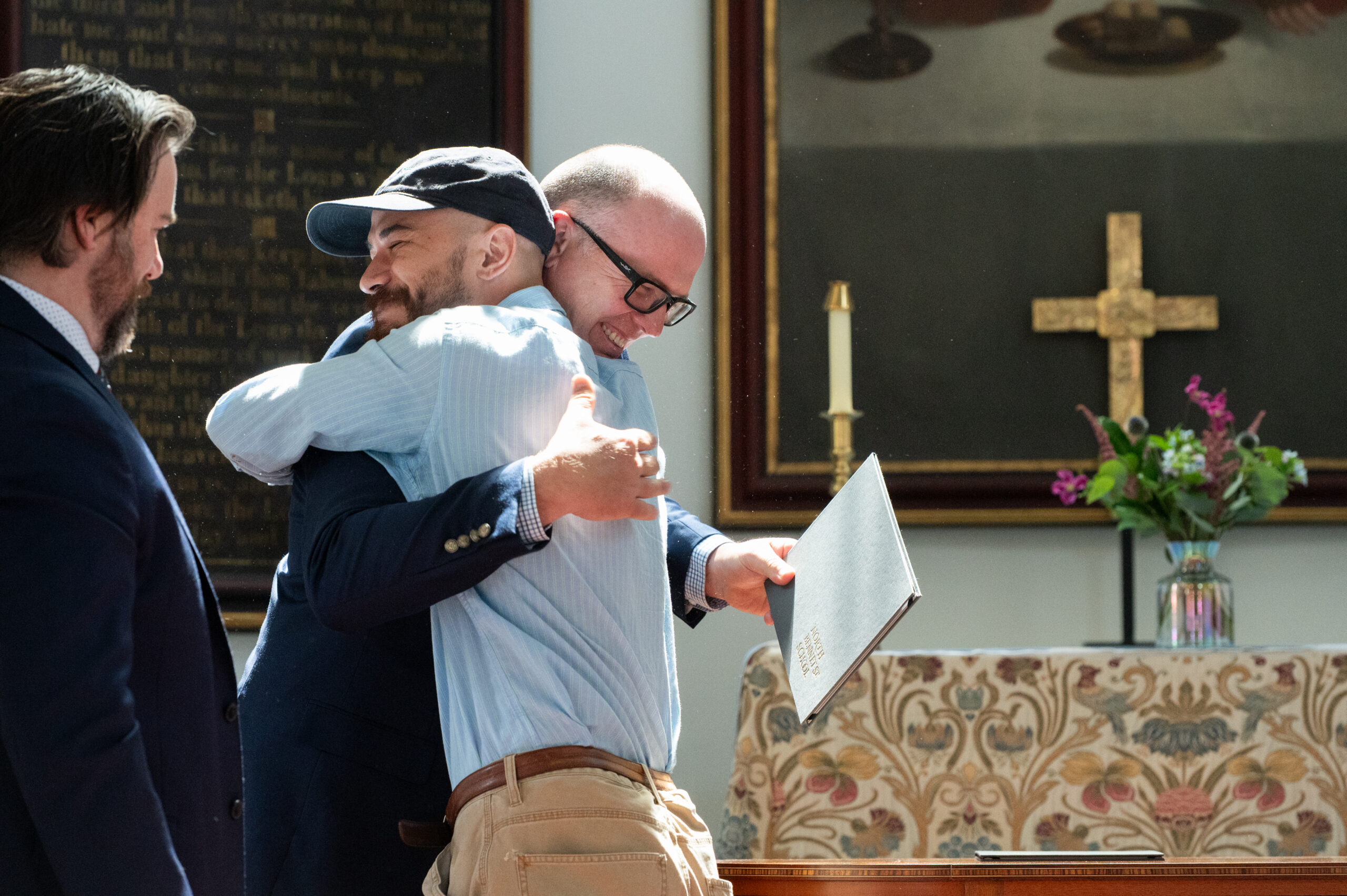
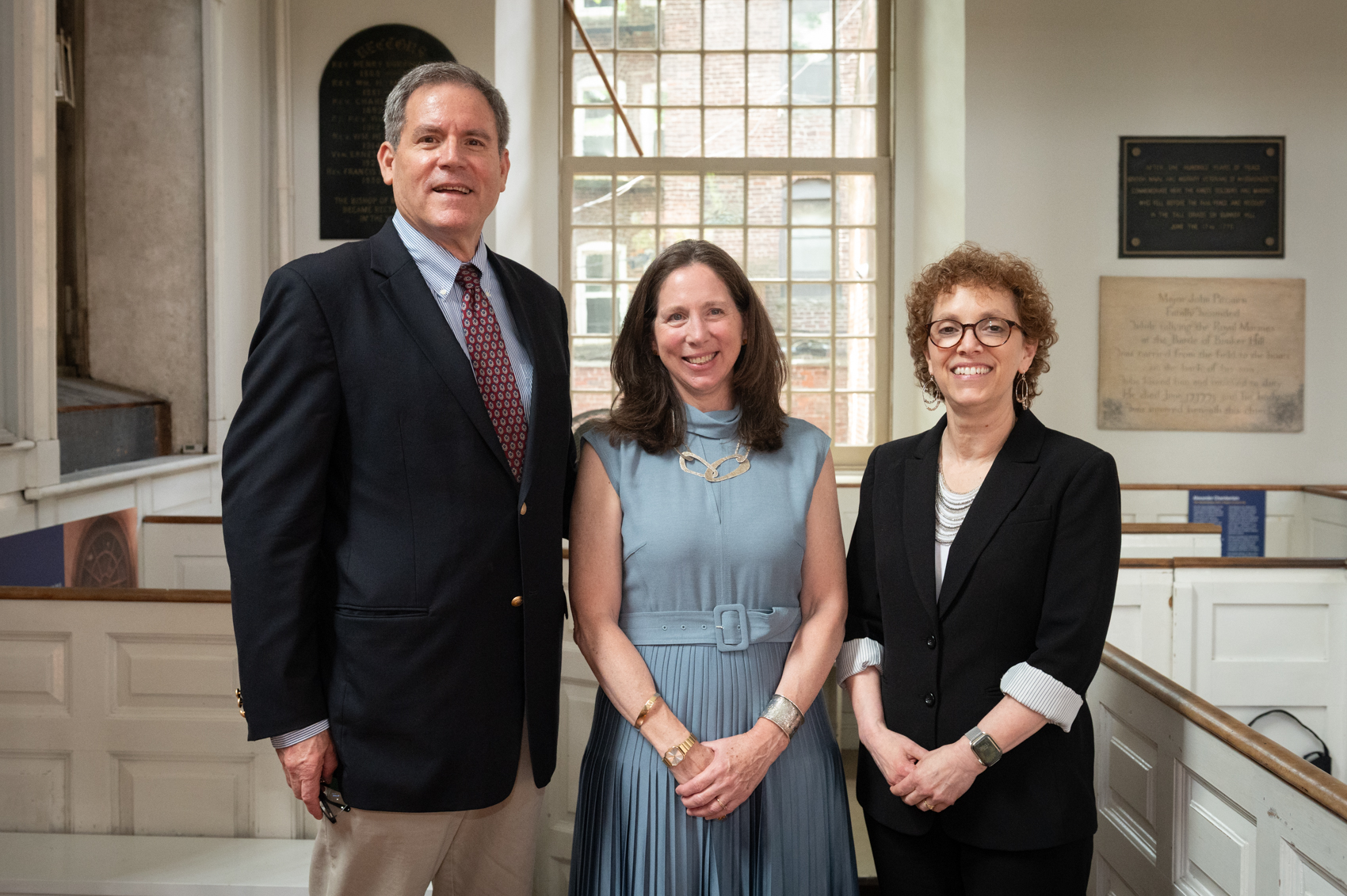
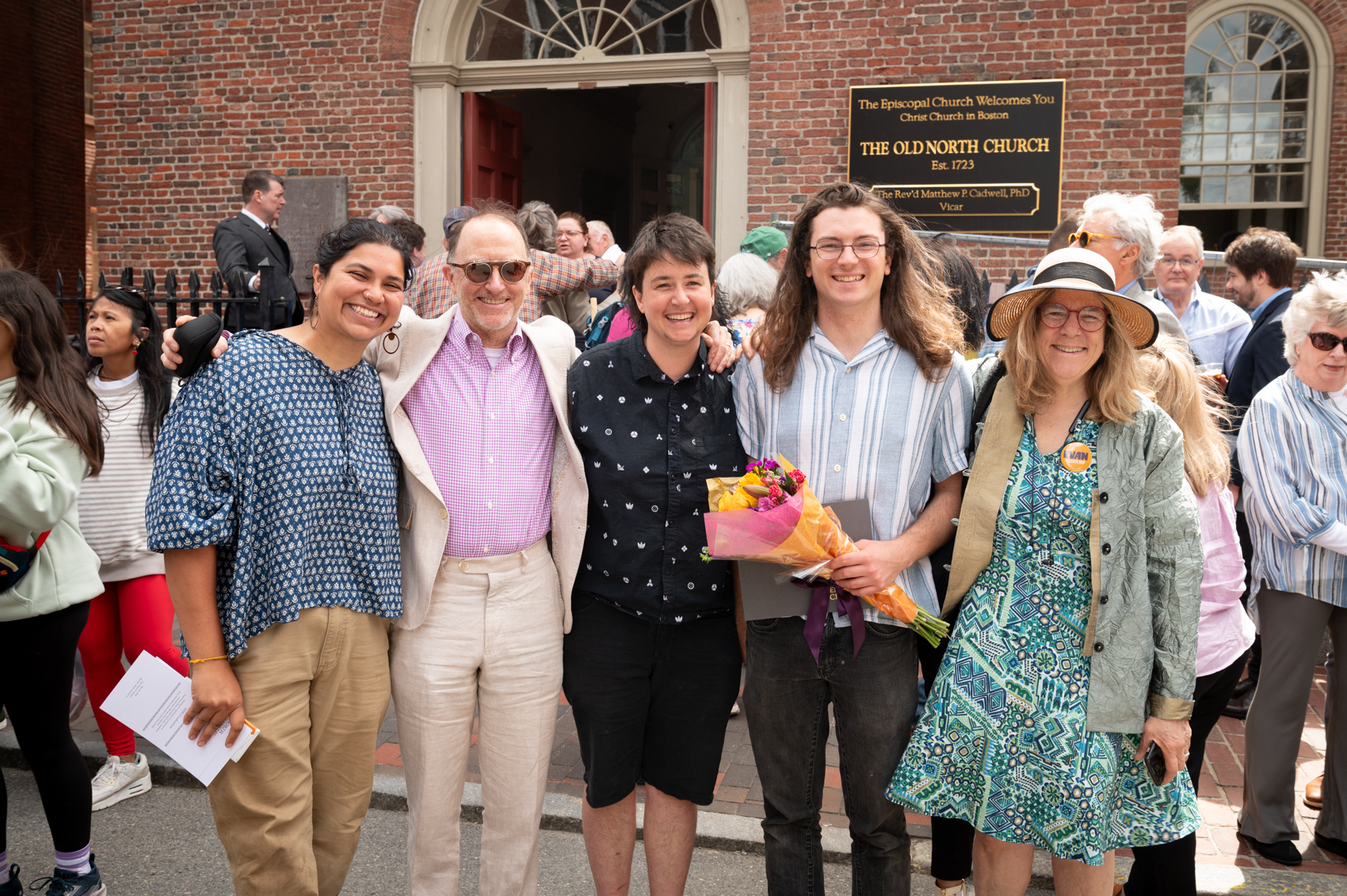
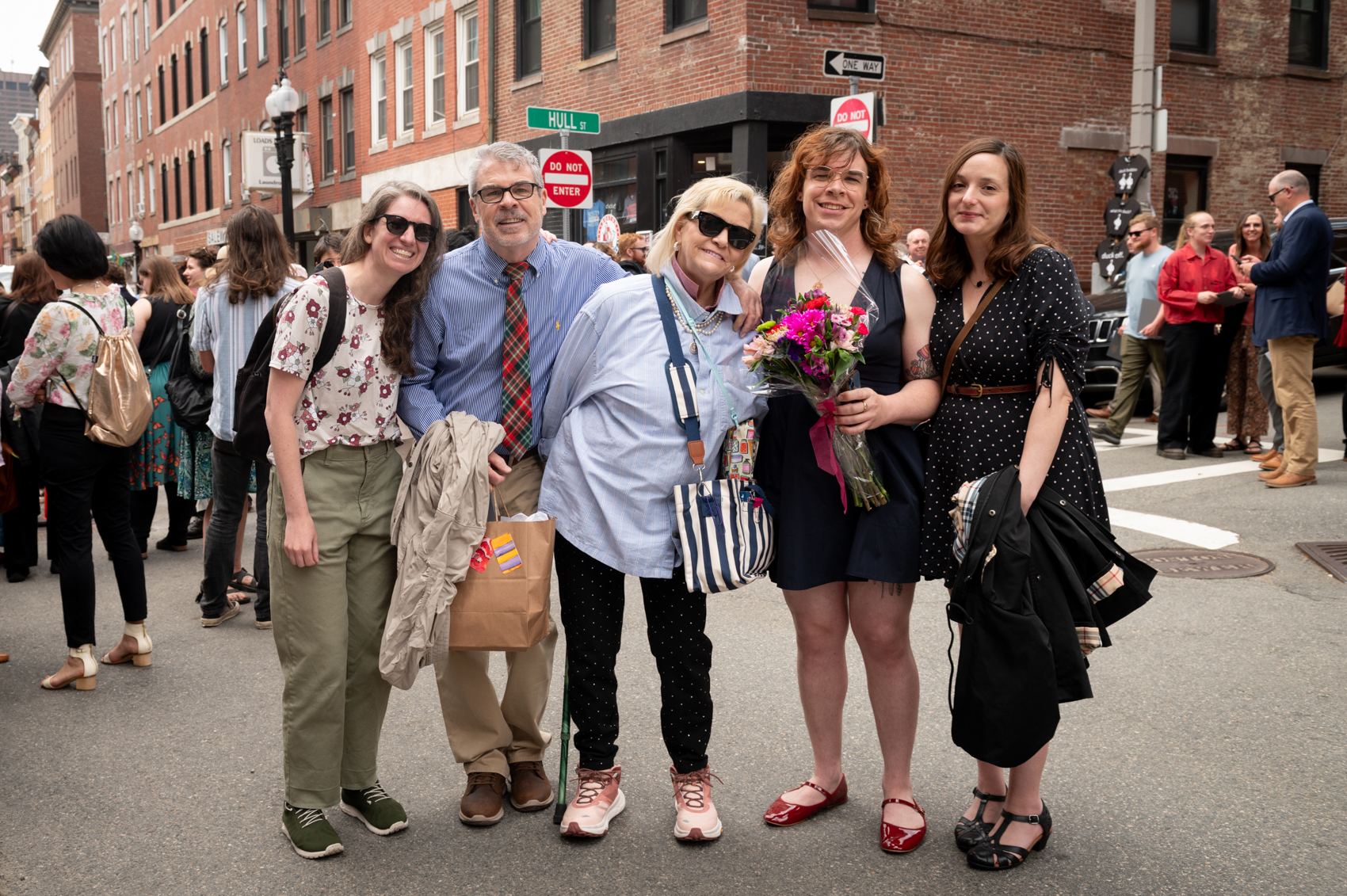
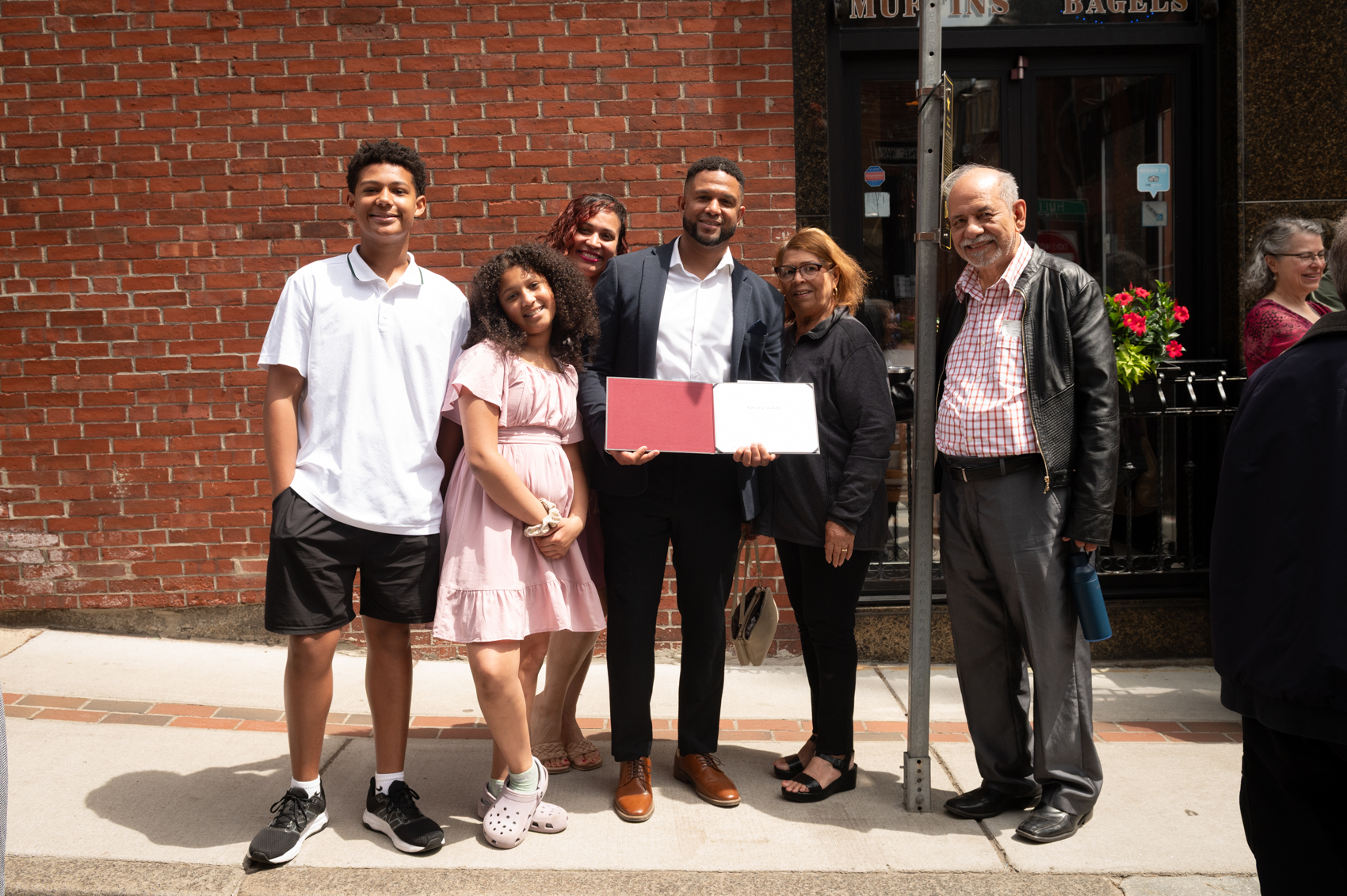
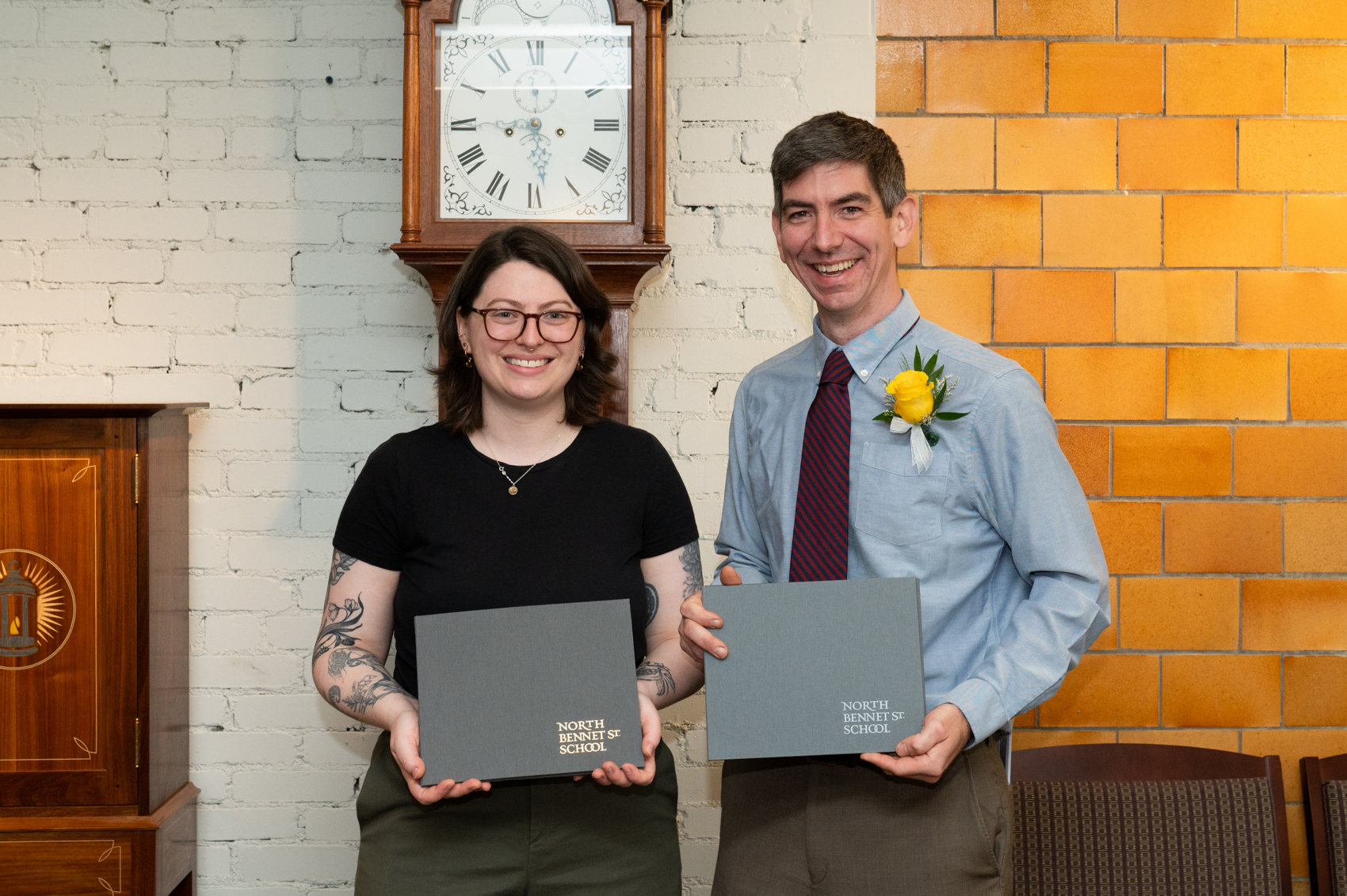
On May 29, we came together in the Old North Church to celebrate the newest graduates from our career training programs with a touching ceremony that included a commencement address from the School president, Dr. Sarah B. Cunningham. We also celebrated the 2026 Distinguished Alumni Award recipient, Erin Fletcher BB ’12, with a speech delivered on her behalf by former student and friend, Jennifer Pellecchia BB ’19.
Watch the Full Ceremony
Welcome and good morning to all and to the North Bennet Street School Class of 2026! Hooray! You made it! And you know what? The 95 of you are the largest graduating class since 2018! Cool! And you join 4,700 students that have graduated since 1950, many who moved through this church on their graduation day. You are a small but ever vital force in our world.
We welcome you to the Old North Church, such an important place for American history, built in 1723. The organ you will hear was built in 1759 which, thanks to instrument restorers, can be played today. And it was in 1775, two lanterns were lit in this steeple to announce the British approach by sea. A little more than 100 years after that historic event, this neighborhood welcomed Pauline Agassiz Shaw to provide job training for the many adults immigrating to the North End from abroad. Mrs. Shaw had a super power to both observe and act, to pay attention to what was needed, and stretch her talents to serve others, to create something that would continue for generations.
And here you are, 145 years later! You, class of 2026, are inheriting this tradition of trade and craft, of moving history forward by respecting the past, of making your own way in this world with your hand skills. Congratulations. We celebrate you today. And you would not be here without the families, parents, partners, spouses, friends, and children that encouraged you to take on this educational challenge. So let us celebrate and applaud your co-conspirators in trade, your immediate families, and your friends that helped you along the way.
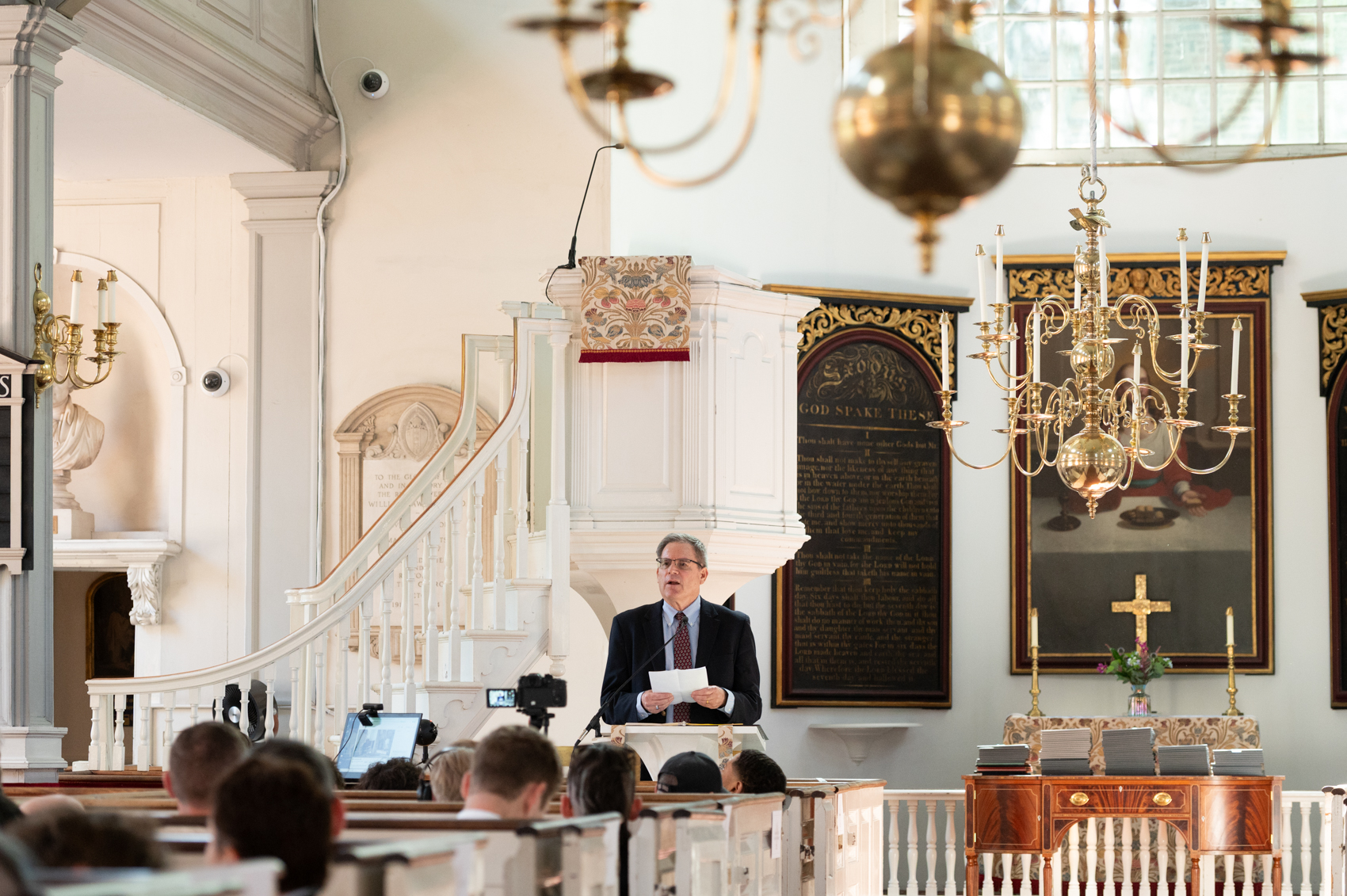
Good morning. I am Mark Hauser, currently the Clerk on the school’s Board of Directors. It is an honor to be here with President Sarah Cunningham as we mark both your graduation and an important new chapter in each graduate’s life.
Congratulations to the graduates! Today we celebrate the completion of your formal training, along with the discipline, patience, persistence, and pride in workmanship that brought you to this moment. We recognize those who supported you along the way—your instructors, fellow students, families and friends.
My connection to NBSS began during the 1990s through my late father, Harry Hauser, an attorney by vocation and a fine woodworker by avocation. He became involved with the School because it gave him a way to be close to the world of craftsmanship he admired so much. At the suggestion of my mother, Deborah Hauser, he volunteered his time & expertise as an attorney, joined the Board, and eventually served as Chair. He understood that careful work, whether in law or in woodworking, required patience, judgment, and respect for detail. I attended open houses with him year after year. Later, I joined my mother at openings and open houses. At every visit I found myself captivated by the creativity and detail, which inspired me to become more involved.
What has sustained my admiration and affection for North Bennet Street School over these many years is much more than family history. It is the School’s enduring pursuit of excellence and its reverence for craftsmanship.
At North Bennet, skill is not treated as ordinary. It is cultivated carefully, patiently, and seriously. Whether you are binding a book, building fine furniture, preserving a historic structure, rebuilding a piano, creating a violin, setting a stone, securing a lock, or working in any of the School’s demanding disciplines, you have been part of a tradition that honors both the hand and the mind.
Your work is useful, beautiful, and real. It preserves things that deserve to last, and it creates things that others will value long after today.
Today, especially, the Board of Trustees, admires your accomplishments. We are proud of your dedication, proud of your resilience, and proud that you now carry the name of North Bennet Street School into the world.
As you leave here today, I hope you will remember that you are not only graduates of a school. You are stewards of a tradition, a member of the NBSS family. You have learned from people who care deeply about doing things well, and you now have the opportunity, and the responsibility, to carry that standard forward.
Congratulations to each and every one of you. We look forward to seeing what you will build, preserve, repair, restore, or create in the years ahead.
Introduction by Board Clerk, Dr. Mark J. Hauser
I have the honor of announcing that Erin Fletcher Bookbinding 2012 is the recipient of the 2026 Distinguished Alumni Award. This award is given annually to an NBSS graduate who demonstrates outstanding professional achievements, contributes meaningfully to their industry, and supports the broader craft community through education and mentorship.
Since graduating from the Bookbinding program in 2012, Erin has played a significant role in shaping the education and careers of bookbinders across the country. She has taught numerous NBSS Community Education classes, was an instructor in the School’s former middle school book arts program, helped NBSS develop and test online short classes during the pandemic, and recently deepened her involvement by joining the Bookbinding Program Advisory Committee. Her teaching extends nationally through workshops at colleges and nonprofits.
Beyond the classroom, Erin is a leader in the bookbinding community. She served as the Guild of Book Workers New England Chapter’s Programs Co-Chair from 2012 to 2016, and then as Chapter President from 2016 to 2021, organizing lectures, workshops, and outreach for both members and the public. Her commitment to knowledge-sharing is also evident in her long-running blog through her business Herringbone Bindery, a widely respected resource for aspiring and practicing bookbinders alike.
Erin maintains a vibrant private practice, creating work for both clients and exhibitions. Her work has been exhibited internationally and acquired by private collectors. She is particularly known for her innovative and intricate embroidered leather fine bindings.
Erin’s passion, skill, and generosity have profoundly shaped the careers of many aspiring bookbinders.
Unfortunately, Erin was unable to attend due to teaching obligations so accepting the award on her behalf is Jennifer Pellecchia, Bookbinding 2019 graduate. Jennifer is a true example of Erin’s mentoring spirit, as she took every Community Education class that Erin taught, and then eventually enrolling as a full time Bookbinding student. Jennifer is also a Community Education instructor, inspiring future bookbinders herself.
For all of her accomplishments and talents, we are proud to honor Erin with the 2026 Distinguished Alumni Award and recognize her work in the field.
Remarks by Erin Fletcher BB ’12, delivered by Jennifer Pellecchia BB ’19 on her behalf
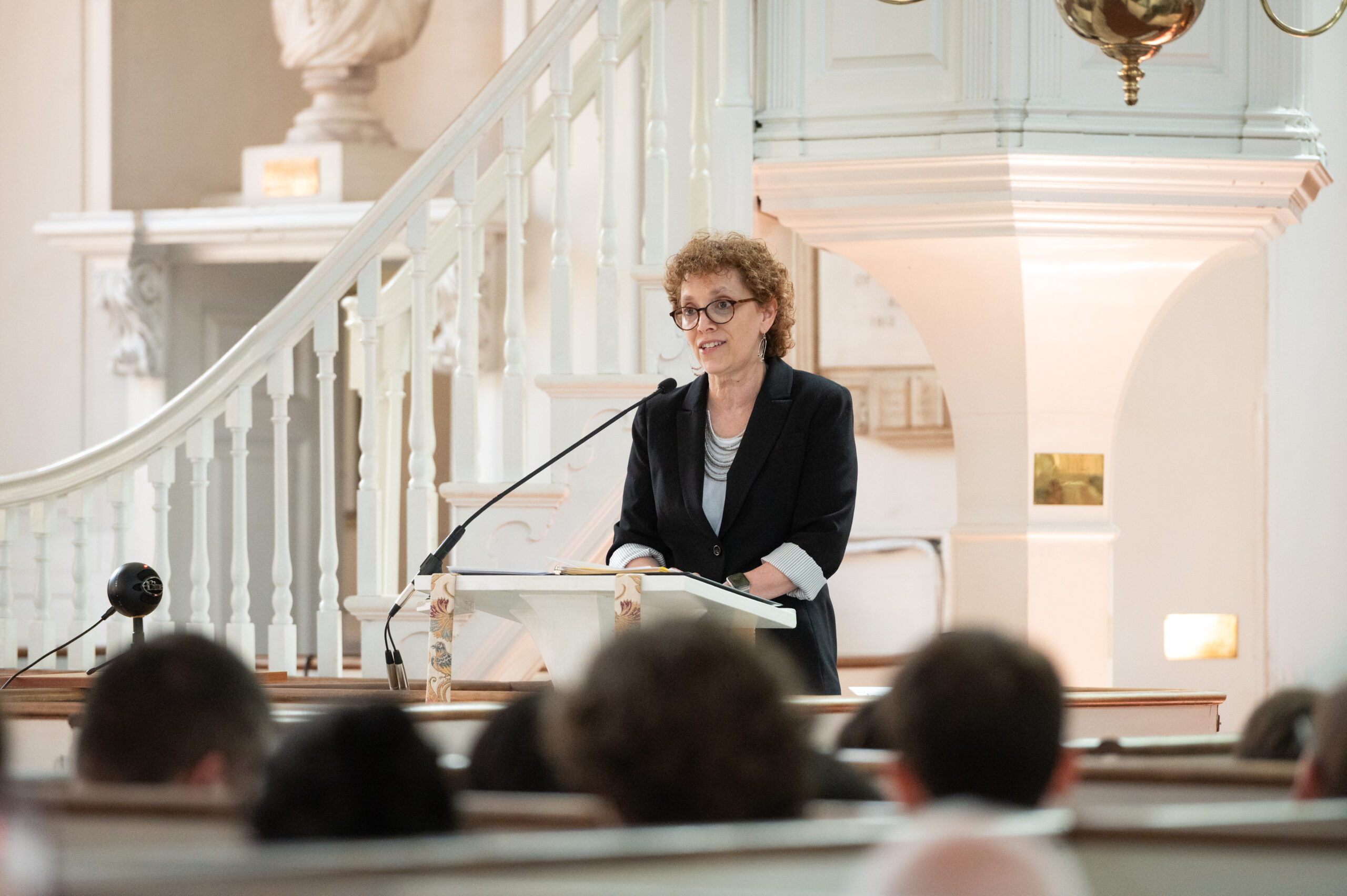
I want to congratulate you all for getting to this point today. I really wish that I could have been here to celebrate in person, but I know that Jenn is going to represent me well. I feel so incredibly honored to be given the Distinguished Alumni Award. Not only did I have the privilege of attending the Bookbinding program, I was also given the opportunity to develop deeper roots at the School when I became a Community Education Instructor. I taught regularly at the school for 10 years before moving to Austin and during that time I got to meet every incoming student and engage with them as they went through their own journey in the program.
When I first found out about North Bennet, I instantly felt like it was the place I was searching for, but like any good bookbinder I did my research. Every department has a type, right? After speaking with several alumni about their time in the program, I came to understand how impactful the training was to their successes after graduation. It’s been 14 years now since I graduated and when I’m asked about my experience the sentiment is the same. But I also like to add that an equal component of my success has come from the community. North Bennet plants the seed, but it’s up to you to nurture its growth as you enter the field.
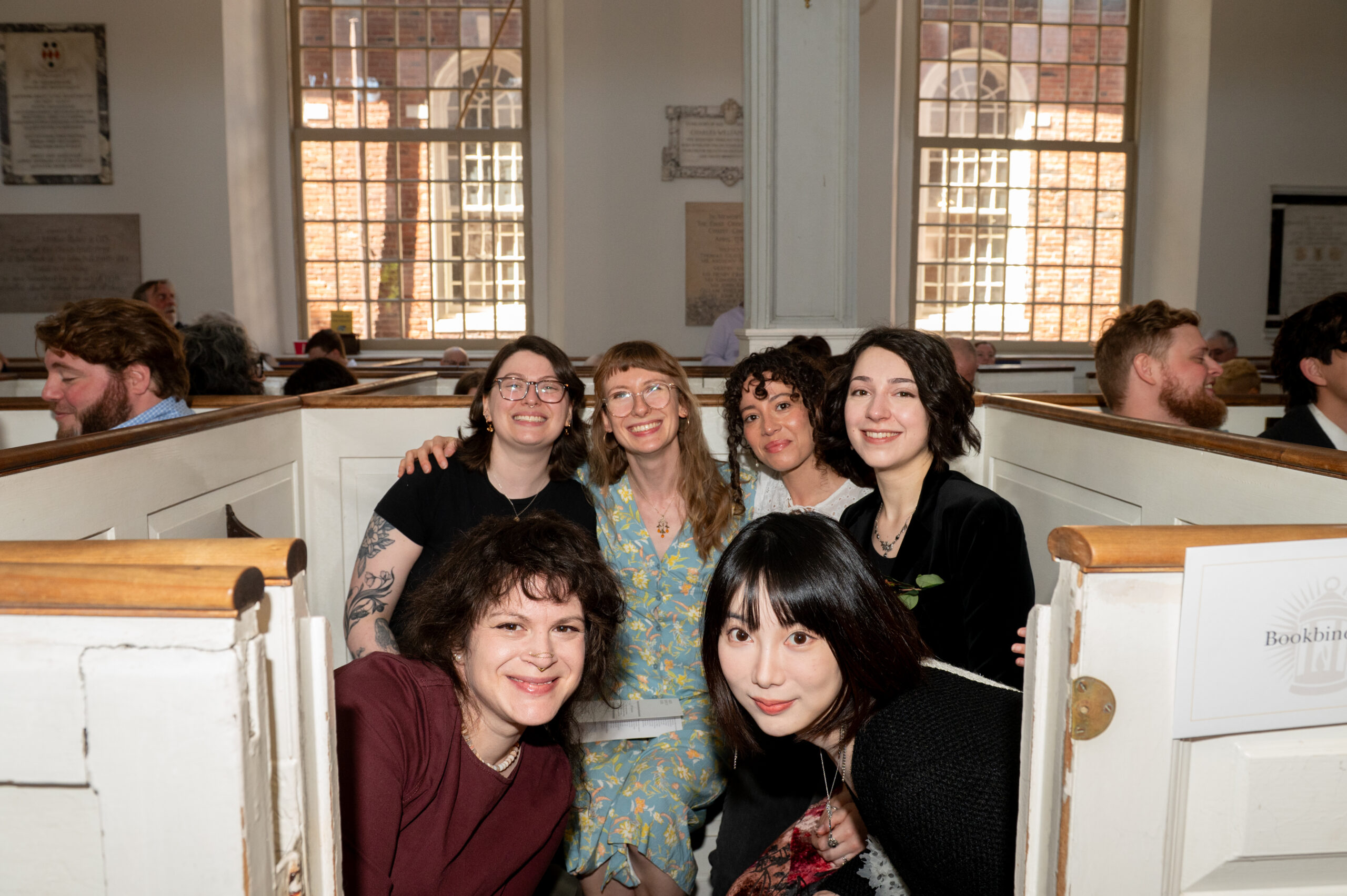
On my graduation day, while I was sitting cozy with my seven classmates inside our box pew, the future felt endless and bright. Granted it was a perfect sunny day outside filling the church with light, but there was something else in the air. You could just feel the love and support from the other folks in the building. You are quite literally surrounded by people who care about you and want you to succeed, from your family and friends to the faculty and staff. The high walls of those box pews focused my gaze inward to my classmates. Our faces were beaming and it was their support that I felt the most. On that day, my classmates became my colleagues and I knew that we would be there for each other as we entered the field, and I feel that even to this day.
“North Bennet plants the seed, but it’s up to you to nurture its growth as you enter the field.”
We’ve championed each other’s successes and provided aid for those inevitable roadblocks.
Right before I began writing this speech, I had a video call with someone who was interested in applying to the Bookbinding program. Near the end of our chat, she asked me what I found to be the most difficult in my practice. Jokingly, I wanted to say sanding, but I thought it better to speak more truthfully about failure. It brought me back to one of the lowest points I experienced early in my career. I had finally landed an important edition job. The edition size was small, just 18. But in addition to the binding there were three other components: a paper folder, a leather portfolio and a leather box. Each item had its unique challenges from stamping, to creating uniform embroidery work, to lots and lots of leather paring. Oh, and I forgot to mention that the books were about 21 x 14.5 inches. For the non-bookbinders in the room, that’s a significant amount of work that took me months to complete.
At the end I laid out each component across several tables in my studio and stood back to admire the work that I had created. At that moment, I felt so high on my own achievement. While doing the final assessment for quality, some of the bindings began to split at the joint. The attachment for the endpapers was failing. And I suddenly flipped to never having felt so low about my work. I was flooded with anxiety and hopelessness, the feeling that I had failed terribly, without any recourse. After composing myself, I reached out to Peter Geraty, a seasoned bookbinder with years of edition work under his belt. I had met Peter as a student when he came as a guest instructor. I explained the situation with an underlying current of panic, waiting anxiously for Peter’s response. He calmly replied: “That’s not a huge deal, I’ve had that exact issue before.” My anxiety began to lower and he proceeded to walk me through how to repair the bindings. It worked beautifully. I share this story because you might experience something like it in the future, but you will also likely know someone who you can lean on to help you figure out a solution. As long as you nurture and grow your community.
The certificate that you receive today is incredibly valuable, but in my opinion the community that North Bennet introduces you to is even more valuable. Don’t be afraid to lean on your community, but also make sure to pay it forward. Our crafts and trades flourish not only with your talents, but through the support we offer to our colleagues both at North Bennet and to the broader community of our respective fields. I wish you all the best of luck with your future endeavors and remember to be an advocate for your craft, for North Bennet and for yourself.
Thank you.
Hello, I’m Claire Fruitman, Provost of North Bennet Street School. You’ll hear from me again later, but first, I have the pleasure of formally introducing North Bennet Street School President, Dr. Sarah B. Cunningham.
You met Sarah briefly earlier when she introduced Mark Hauser. At North Bennet, it has become a tradition for a new President to deliver the commencement address during their first year at the School, and I’d like to take a moment to help you get to know Sarah a little better before she speaks today.
Sarah joined North Bennet with a PhD in philosophy from Vanderbilt University and a professional background spanning arts education, nonprofit leadership, and community development. She brings to the School a deep commitment to student success, faculty support, thoughtful leadership, and organizational excellence.
Before joining North Bennet, Sarah held leadership roles at the Rhode Island School of Design (RISD), Virginia Commonwealth University’s School of the Arts, and the National Endowment for the Arts among others. At RISD, she helped develop innovative partnerships and programs connecting education, industry, and the arts, collaborating with organizations including Hyundai Motor Group, Jazz at Lincoln Center, Tate Modern, and Tiffany & Company. Throughout her career, she has focused on expanding educational opportunity, fostering collaboration, and helping institutions grow through innovation and partnership.
She continues to serve on the board of the Strategic National Arts Alumni Project and as a working group member of the Academic Network of the NeuroArts Blueprint Initiative.
In the nine months since arriving at North Bennet, Sarah has immersed herself in life at the School—meeting students, faculty, staff, alumni, friends, and partners of NBSS; listening carefully; sharing ideas; and beginning important work focused on strengthening the School and planning for its future. It has been an exciting year, and we look forward to the years ahead under her leadership.
Now, please join me in welcoming Dr. Sarah B. Cunningham, President of North Bennet Street School and our 2026 commencement speaker.
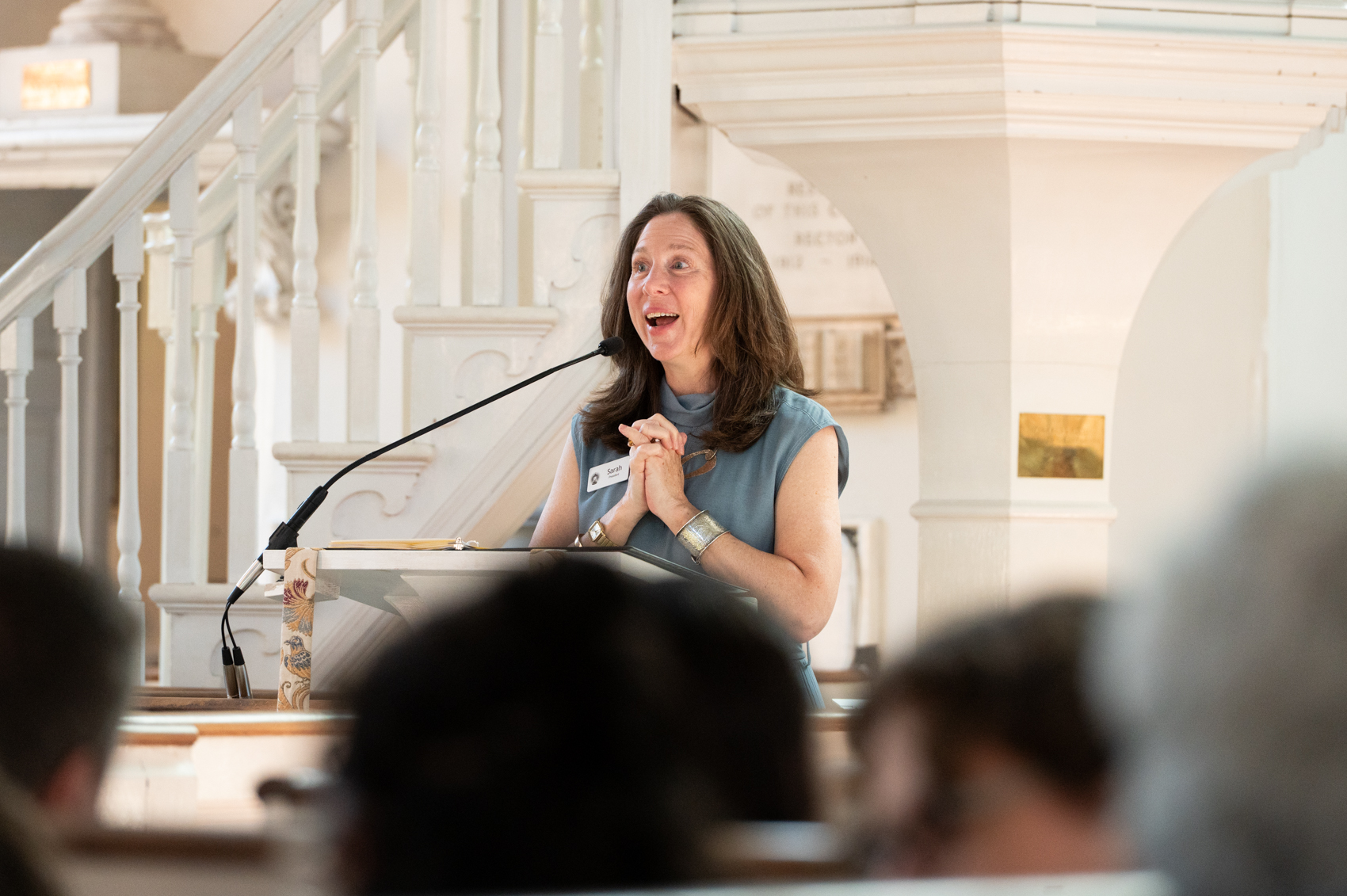
Good morning tremendous, powerful and awesome graduates! You made it! (Literally!) I hope you are feeling the glory today.
Good morning faculty, staff and friends of North Bennet Street. I give my thanks and praise to all for taking this journey with this group of talented students, supporting them, and guiding them to acquire the skills needed for their chosen trade.
Graduates—today is the day that you shift your gaze from your workbench and your toolboxes to looking out into the world. Think back to your first day. What was your mindset? How were your hand skills? How many people did you know in your chosen field? How did you describe work to others? Had you eaten PBJs every Wednesday? Had you visited Steinway, held a Stradivarius violin, attended an Museum of Fine Arts jewelry symposium, or got an insider tour of Thos. Moser? Did you feel that your life path was changing as you moved through our halls?
We don’t pretend to make things easy; in fact sometimes we lead you down the more difficult path so that you can attend to precision and be faithful to the history of your field. And now you will see that the strength of your training resonates with your peers in your industry. Your skills, confidence and sound judgement will serve as a guide as you discover new professional communities and build in your career.
You got to experience the long American tradition of hands-on, peer-to-peer education, working with faculty experts who model, through their own deep experience, levels of mastery that make a North Bennet education unique.
You’ve met leaders in the field who visit North Bennet regularly, and you went on site visits in binderies, or woodshops, piano manufacturers, jewelry collections, or locksmith companies, that gave you a deep sense of what awaits you.
These expert legacies have just begun to be embedded in your body, in your work rhythms, in your mark-making, and the choreography of your tools. I hope you make sure to stop every now and then and remember those instructions as if they were fresh, so that they always might invisibly guide your future work. I like to think of the full collective force of every single North Bennet Street graduate out in the workforce. You are joining more than 4,700 alumni who are transforming the world by attending to quality, taking the slow path, and honoring materials. And the work that all of you do is becoming ever more recognized and is needed with an urgency that can’t be overstated.
As we all know, North Bennet can be a sanctuary from a world that privileges speed over patience, shortcuts over perseverance, cheap goods over quality materials. As a counterpoint, you choose to slow down, pay attention and to make things well. And you’ve spent hours at the bench, hours on the job site, hours sharpening (so much sharpening). Perhaps most importantly, you’ve demonstrated to the world that there is value to be gained in caring deeply about how things are made. It begins with learning, then observation, consultation, planning, and then finally execution. This attentiveness to making is your super power.
Pay attention. You’ve probably heard it a million times since you were little. The word “attention” contains so much. It comes from the Latin, tendere, which means “to stretch.” You have been stretching toward mastery by focusing your attention on time-honored practices. You are literally stretching your mind and hands, making them do things that they couldn’t before; following new rhythms and sequences; balancing old techniques with inventive problem solving. And the objects that you encounter through making, repair, or restoration capture this stretch.
Some may see what we do as self-absorbed—an exclusively individual endeavor, but I would make the argument that the attention you pay to these resonating objects, whether it’s a shed, a ring, a book, a piano, a table, a violin or a whole 17th century farmhouse, is a profound act of generosity. Your future clients may request a new chair, or a changed lock, but first and foremost they are the recipients of your attention. They get to encounter the gravity and seriousness of your commitment to excellence as it is conveyed through your craft. Again, its your attention that brings value to what you do.
It is no surprise that the word “tent” comes from the same root, tendere. When you stretch your attention, you unwittingly build community. You make space that others can enter, a space of shelter and protection, of precision and beauty, a space to invite others. As you leave NBSS, pay attention to how you support each other. Celebrate others in your field who are similarly striving, share your knowledge, and of course lend a hand to other makers or tradespeople who are in need. Our fields are better when we come together, and your careers will surely benefit as well. And, by some magical transfer, the things you repair and make capture not only your stretch, your attention, but your stretching forth in this community, supported by others to increase your skills, move through the next challenge, share delightful discoveries, and celebrate victories.
“…You’ve demonstrated to the world that there is value to be gained in caring deeply about how things are made. It begins with learning, then observation, consultation, planning, and then finally execution. This attentiveness to making is your super power.”
I like to think about how we stretch our capacities toward something, and the role of that beauty, the hope of beauty, plays in our attention and stretching. Some of you may know that my background is in philosophy, which itself might seem like a far stretch from North Bennet Street. But I too spent long hours, like you, at my desk, for years, hammering at the same topic day in and day out, thinking about how and why we find things beautiful. To do this, I went back to 1789 and French and German philosophy. Within a very dry but hugely influential body of work about ethics, and metaphysics and theories of knowledge, I went against the grain of my peers and studied theories of beauty. I studied and wrote about reflection—a response to the world, to materials, to particular events that create an openness in you, that allows you to stretch your being in some way, that gets you outside of yourself, that allows you to be at attention in new ways, that drives you to learn.
Let me illustrate using a story from one philosopher. A boy hides in a bush. He whistles. Visitors nearby, call them tourists, are struck by the beauty of nature—oh the birdsong, they exclaim. Then, the boy jumps from the bush. Oh no—they are wrong! They do not know what beauty is. But it felt real, this encounter with the idea of beauty. Oh, these poor tourists, they can’t trust themselves to know or not know beauty. They become disenchanted and now cannot find anything beautiful for a while. Eventually, hopefully, another moment of enchantment conveys them on this journey again. We are in a world right now where so many are seeking and need beauty. And the tourist, let’s call them the viewer or client, seeks to expand their inner capacity by being present with something more profound, more ordered, more disciplined, more refined than themselves.
The boy, the clever funny hiding boy, he’s playing with sound and resonance. He’s a maker. He’s toying with beautiful effects. Novice as he is—one day maybe he’ll grow up to be a piano technician—he is on a different journey than most. For as he advances in his training, as he spends hundreds of hours himself enchanted with his craft, with the power of birdsong, going back again and again to the bench, with attention to intricacy, with mistakes from which he learns—the process itself becomes beautiful to the viewer. It’s a thing of beauty to watch. The master experts that you will become—as bookbinders, carpenters, jewelers, locksmiths, piano technicians, preservation carpenters, violin and furniture makers—will become moments demanding others attention, quietly, pulling in the witnesses to arch over your bench in shared observation and devotion.
From this, I want to exclaim how vitally important you are to the world, and how special it is that we send you out to maintain these skills, habits of mind and professions. Your attention, your stretching, protects the beautiful for others. You protect sound in instruments, space in carpentry, history in preservation, adornment in jewelry, the written word in binding and, in locksmithing, the safety we all hope for. Is this a good life made by hand? Indeed—it is a beautiful life made by hand, by stretching to attend to your fields and bringing others with you. Your work is vital to our well-being.
It is no small matter to focus your attention for nine months, two years or three years on one trade. You gave yourself this space to stretch and grow. You created muscle memories that store and release energy in new ways. You had time to be curious, to explore, to find new destinations. You expanded your understanding and compassion for yourself. With all this, you are making a space for yourself, that is uniquely yours, to which you can invite others as clients, as friends, and as collaborators into your tent, your space of attention, a space of intention.
Your superpower, your attention to making, your dedication to this life you are building has extraordinary rewards. This life of making creates beauty, respect, serendipities and discoveries that bring within them fellowship and community and value that will stand the test of time.
Congratulations to students, families, friends and partners. On this great day, the world is a better place for all your study and the work that awaits you.
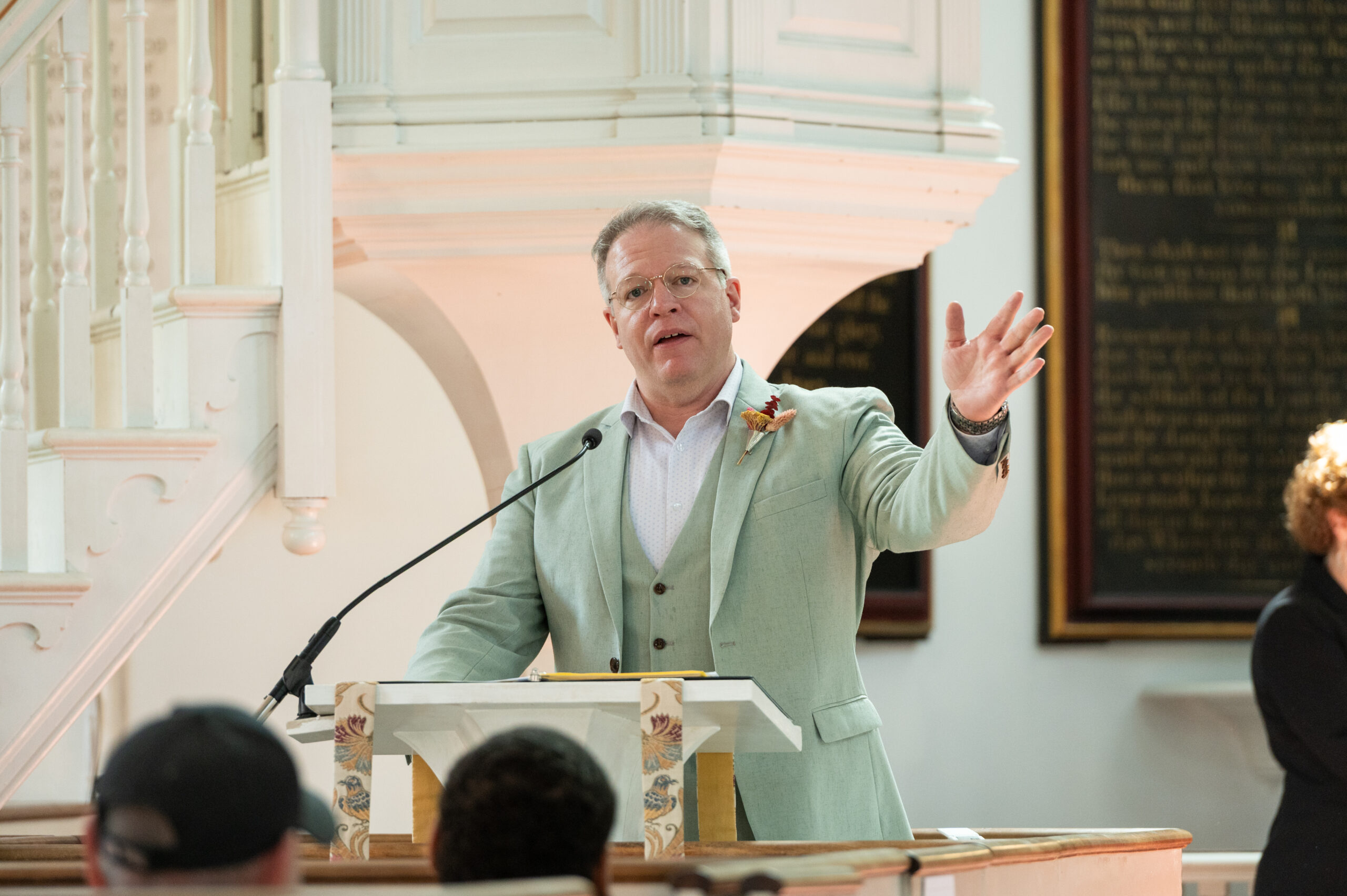
I’m Claire Fruitman. I graduated from the Cabinet & Furniture Making program some time ago and began teaching in that program in 2000. I transitioned from teaching to the administration as Provost in 2007.
I’ve been to every NBSS graduation since 1994, and I can honestly say—it never gets old.
I know you’re all eager to be done here today, whether it’s to get started on your next project, or just to get started on lunch.
I promise to be quick. I won’t promise not to cry. I seem to do that every year, so why would today be different?
I’m not sharing my own words here, but I’m sharing the closing remarks given annually for many years by my predecessor, Walter McDonald. He couldn’t be here today, but I hope he’s watching the livestream. Walter shared these remarks when I graduated long ago, and I’ve been to every graduation since, even when I didn’t know anyone, before I returned to work here, just to hear these words again. I always thought of them as my annual pep talk. They’ve continued to inspire me in the years since and I hope they inspire you.
Here we go:
We may be almost finished here, but it’s far from over.
There’s a lot more to do. There will be mistakes from which you will learn. There will be customers you hope never to see again. New methods, equipment, and materials will change the way you work. You will get better and faster
If you don’t get it right, you have a chance to do it better the next time.
There will be wonderful customers for whom you will do work over your entire career, and they will recommend you to their friend, and they will become your friends because of your work.
There will be a time when you finish a job, look at it, and realize that a short time ago you could not have done it and you would not have even known where to start. And you will realize how far you’ve come.
So in closing: May your tools stay sharp. May your work be scheduled a year in advance. May your customers always be satisfied, pay in a timely manner and without argument.
You have skills and knowledge that few people share. You can use these skills to make life better for others. You can be justifiably proud of jobs well-done.
Now we’re finished here. It’s time for you to go out there and do great work.
Thank you and Congratulations!