Stepping Into Mastery

Categories
Bookbinding, Alumni, Cabinet & Furniture Making, Carpentry, Jewelry Making & Repair, Locksmithing & Security Technology, Piano Technology, Preservation Carpentry, Violin Making & RepairSince our earliest years, the Sloyd system of manual training has been the bedrock of our pedagogy. This Swedish method presents projects of increasing difficulty to focus on the development of character, intellectual capacity, and hand skills—and build a deep understanding of tools, materials, and processes along the way.
Our faculty witness moments near the end of an NBSS students’ training when they begin to step into the mastery of their field and to earn the title of professional tradesperson. We asked them: Which project, lesson, requirement, or moment shows you that a student will “make it” as an NBSS graduate?
Bookbinding
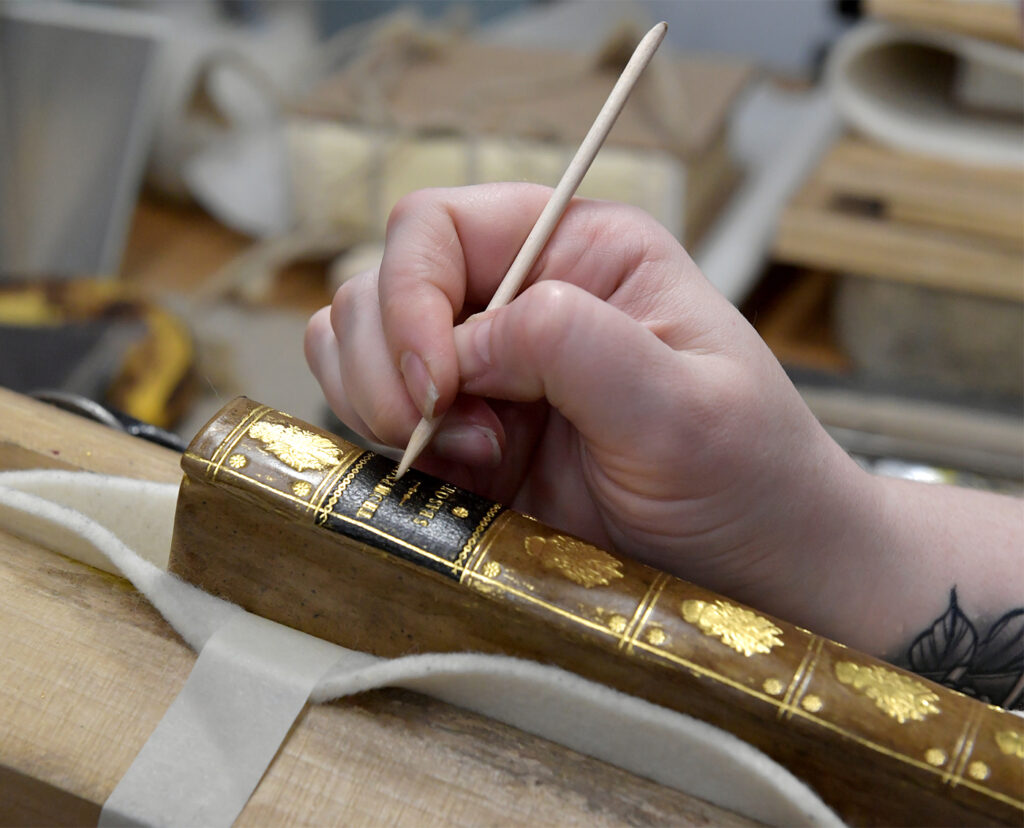
Gold Tooling
“There are a number of factors that go into successful gold tooling and it takes skill to get it right. And then they need to be able to replicate it again and again. What we’re trying to instill in everyone is an ability to solve problems; it’s all about problem solving. When I see someone encounter a problem, mistake, a challenge, and they aren’t overwhelmed and defeated—but rather embrace it and brainstorm—it marks a change. They are on the right track
Jeff Altepeter BB ’99, Bookbinding Department Head
Cabinet & Furniture Making
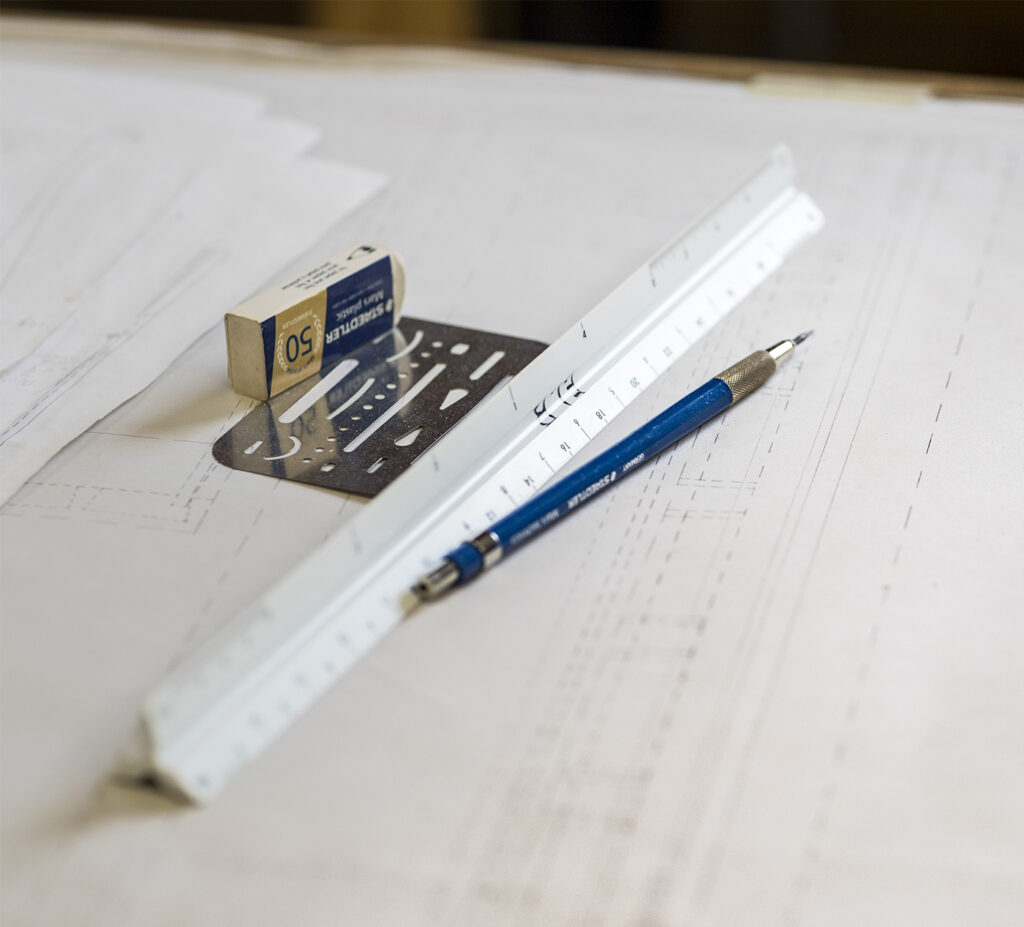
Drafting
“When a student can take an idea and put it on paper, figure out all the complexity through drafting, and then execute it from start to finish, then the faculty knows that the student is nearly ready. It’s the NBSS Cabinet & Furniture Making way: if you can draw it on paper, you can build it. Drafting isn’t just an introductory skill, it’s fundamental to how we approach every project.”
Jamey Pope CF ’06, Cabinet & Furniture Making Department Head
Carpentry
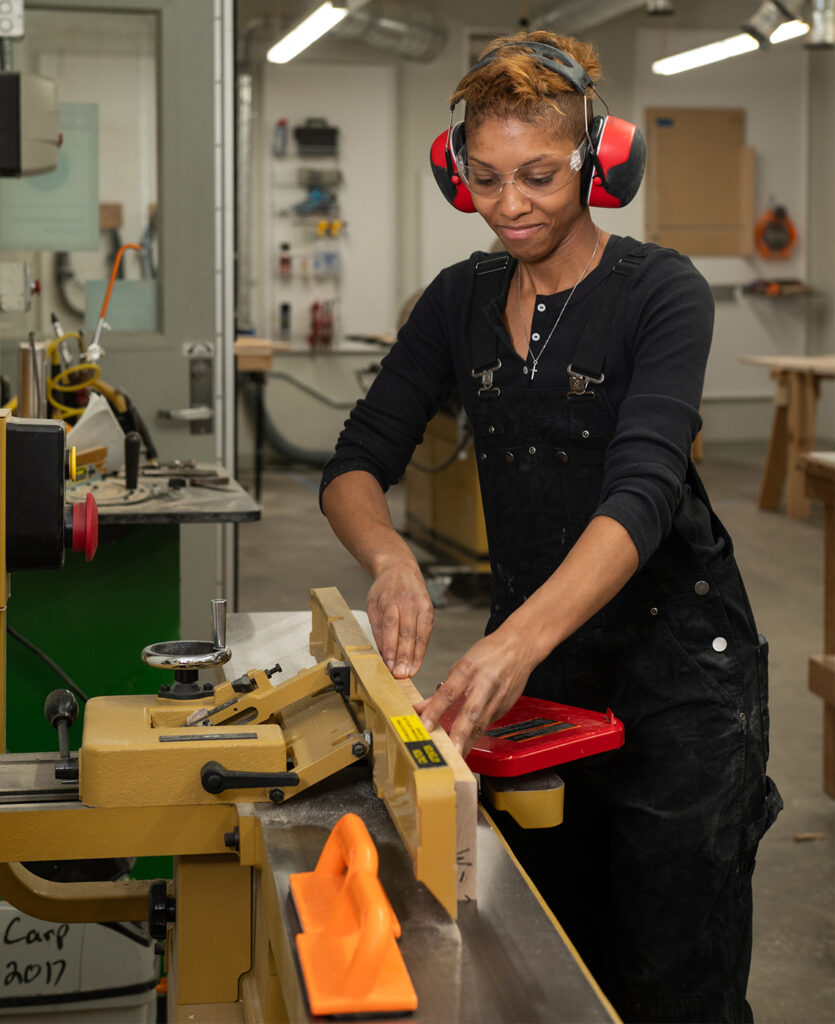
Delegation
“Carpentry students are well on their way to a successful career when we can describe a task and an outcome, which the students execute with minimal instruction. For example: laying out and cutting rafters for a given project, or making a story stick for a run of cabinets.”
Peter Smith PC ‘04, Carpentry Department Head
Jewelry Making & Repair
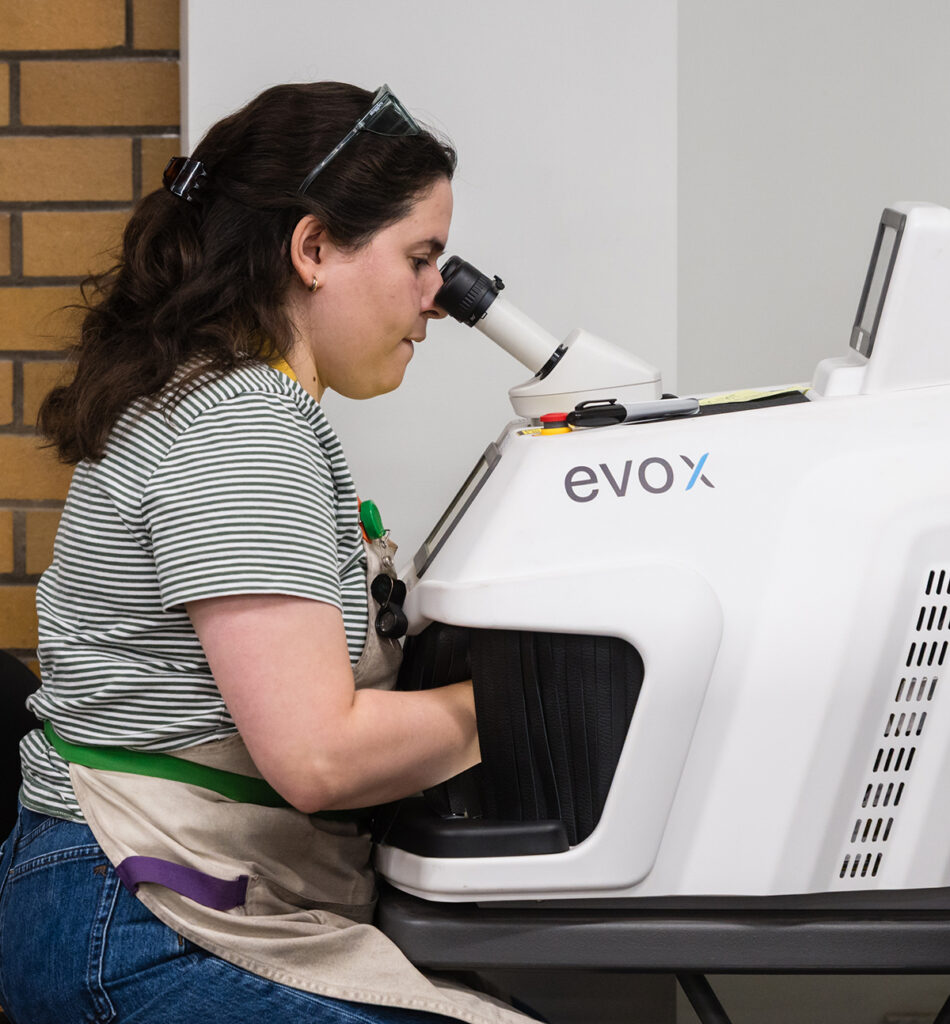
Fancy Shape Stone Setting
“When they get into their final unit of fancy shape stone setting, it’s a huge game changer. They reach a stage where they can take any shape of stone and know how to best set it securely and without damage. At that point they need the least amount of handholding, and it becomes more about production.”
Tracey Jenkins Darji JM ’05, Jewelry Making & Repair Department Head
Locksmithing & Security Technology
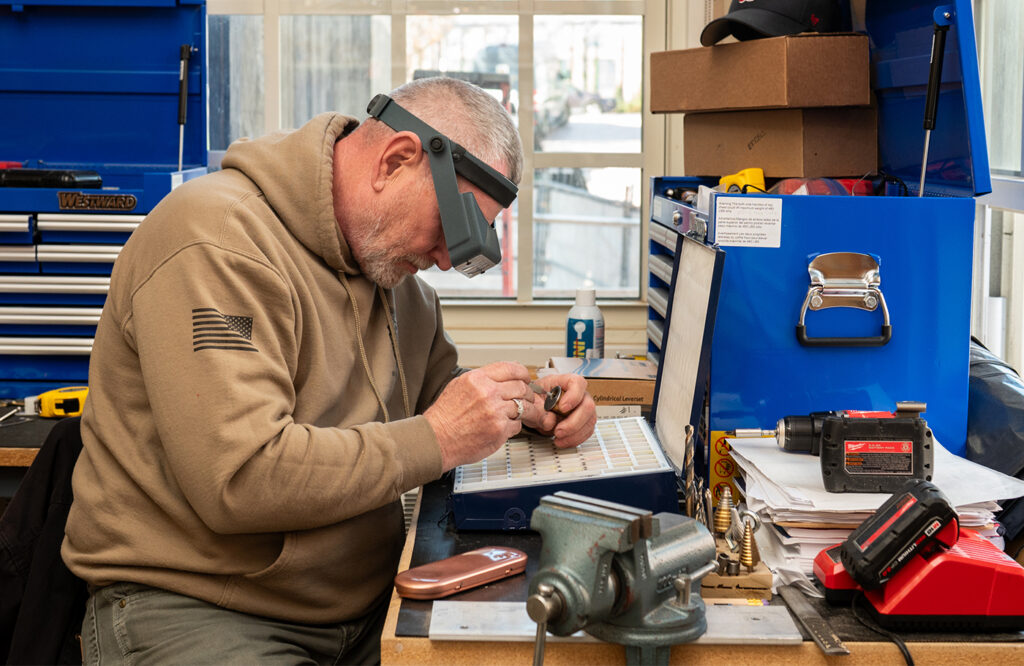
Systems Thinking
“There’s a moment when students are master keying when they move from, ‘How do I make these numbers behave?’ to ‘I could do this to solve a problem for a client.’ They see the bigger function of the key in this space, so they know how to set up the keys to interact and function together. They move beyond just seeing numbers, physical objects, and individual pieces to viewing it as a system.”
Rick Hendricks LK ’18, Locksmithing & Security Technology Department Head
Piano Technology
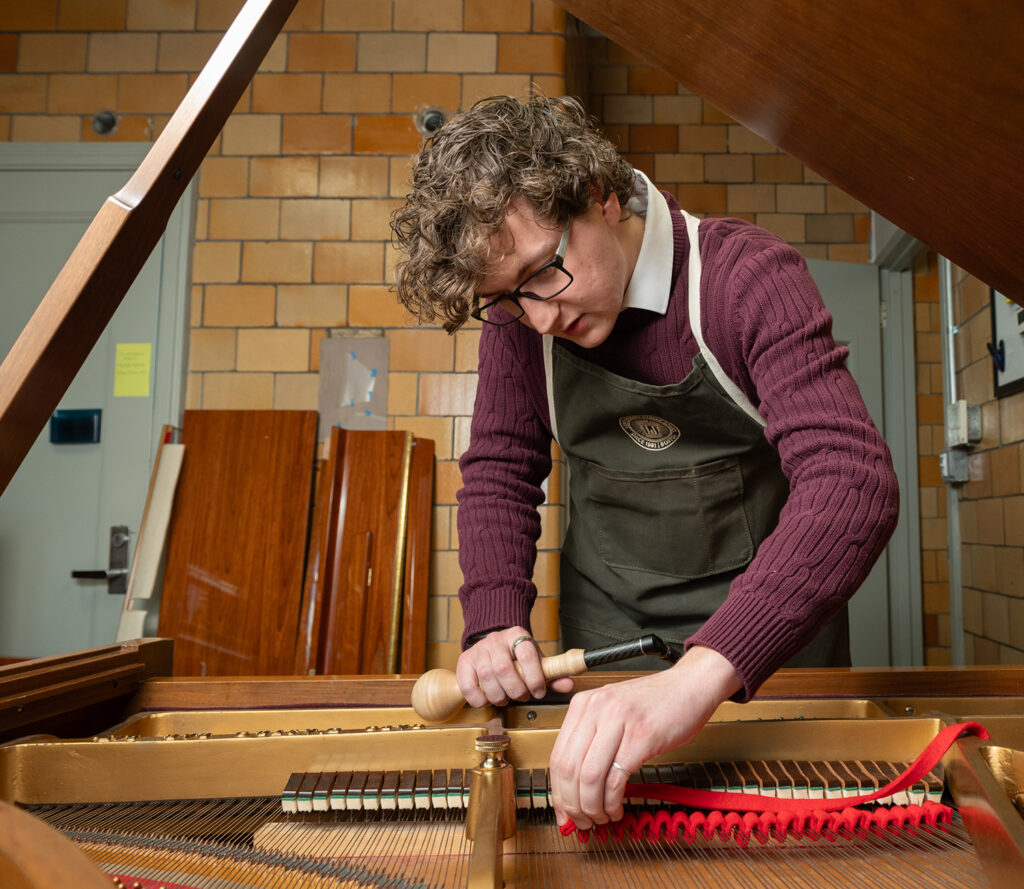
First Off-Site Tuning
“It’s their first time tuning a real piano that real musicians will use—as opposed to our practice rooms, where an unfinished or bad tuning just gets redone by another tuner the next day. They report back the next day full of relief and joy that they can actually complete a tuning on an unfamiliar piano within a time constraint. It’s a glimpse of their future career that’s exciting for students and instructors alike.”
Emily Townsend PT ’07, PA ’08, Piano Technology Department Head
Preservation Carpentry
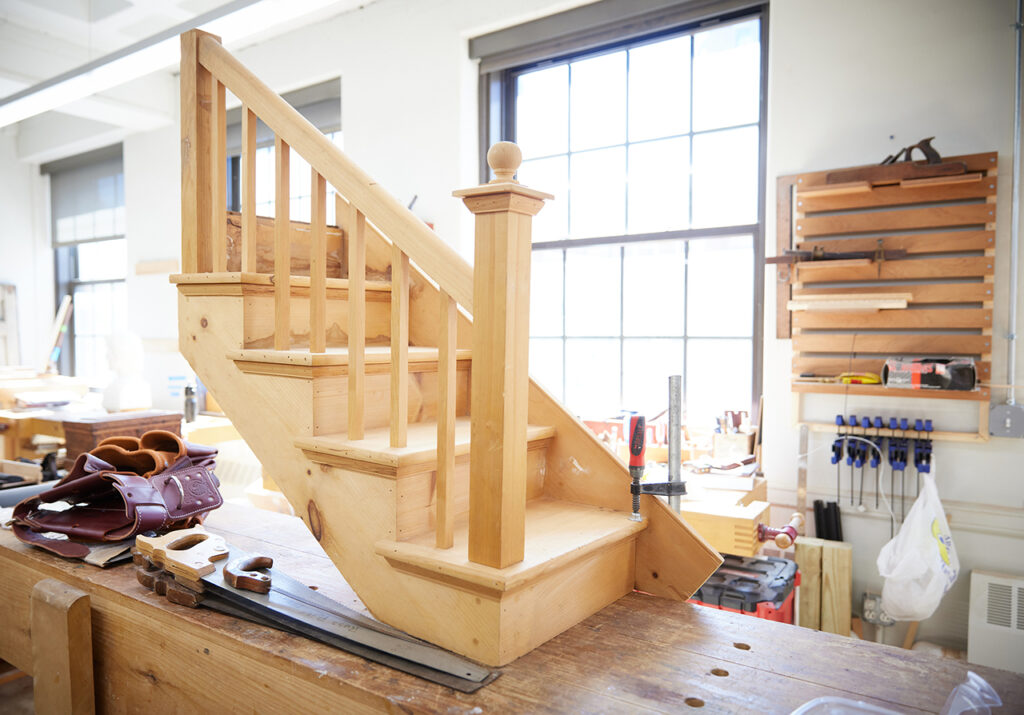
Staircases
“I take the second-year students through an introduction to staircases lesson during the last couple weeks of their year. While that lesson does introduce new terms, math formulas, and techniques, what I expect to see—and am always pleased to see—is the use of the fundamentals they’ve been taught and adaptive learning. The only way to complete this particular lesson in the time allotted is to have absorbed all the basic skills.”
Steven O’Shaughnessy PC ’99, Preservation Carpentry Department Head
Violin Making & Repair
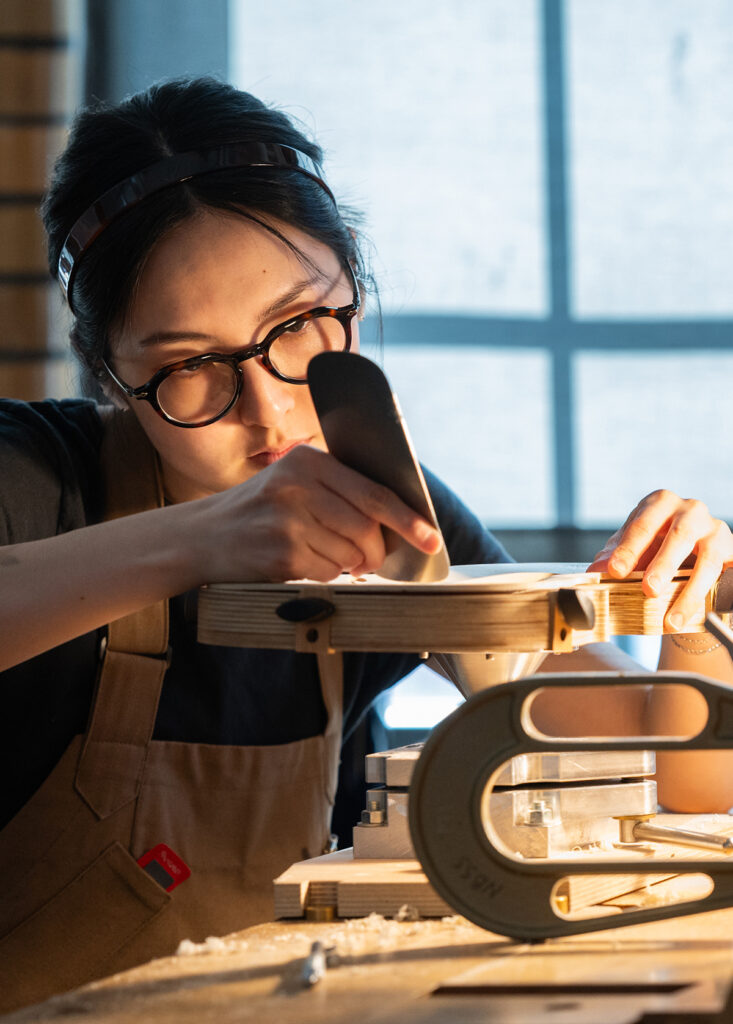
Diligence
“One word: Diligence. Our students practice accuracy and precision at each and every step, which will help them become successful violin makers and/or restorers.”
Roman Barnas, Violin Making & Repair Department Head
This story is from our Summer 2026 issue of Benchmarks magazine. Read more stories from the issue or view past issues.

