Uncovering a Local Mystery of ‘Built Legacy’

On a warm August day in 2023, Tracey Jenkins Darji JM ’05 walked her son the few short blocks from their Quincy, Massachusetts, home to his youth sailing program at the Squantum Yacht Club, where Tracey and her husband are members. She’d had a busy morning, interviewing for a dream role as Department Head in Jewelry Making & Repair at NBSS, the same program she’d graduated from in 2005.
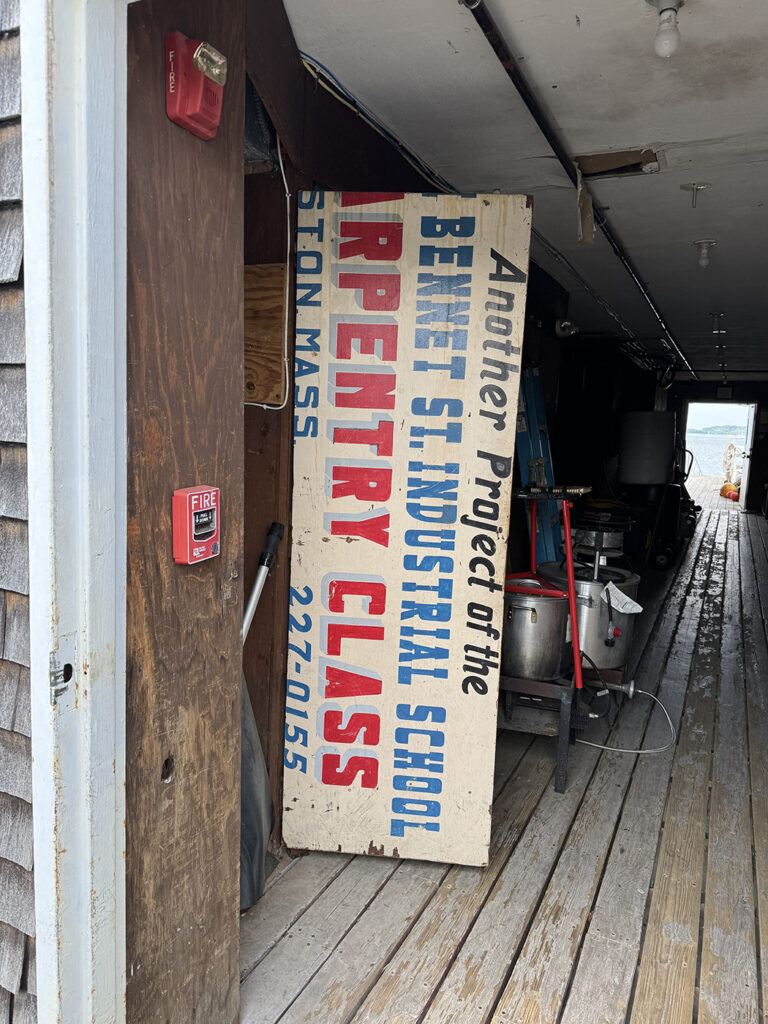
As Tracey passed a galley of lockers at the club, a door was ajar, backed by a colorful, old sign. The hand-painted words caught her eye: “Another project of the North Bennet St. Industrial School.”
“I had been going to the club all summer, and that door just happened to be open on the day I’d interviewed,” Tracey says. “It was a happy coincidence.”
Tracey got the job. She also spent the next couple of years piecing together the story behind the sign—unearthing an almost-forgotten piece of NBSS history in the process.
“North Bennet stopped hand-painting signs and dropped the word ‘Industrial’ from its name in the 1980s, so our first guess was that perhaps NBSS helped repair the club after damage from the Blizzard of ’78,” Tracey says.
The guess was close, but a couple years off. A chance conversation during a visit to NBSS from Associate Director Emeritus Walter McDonald ultimately cracked the case.
Tracey shares, “When our Provost Claire Fruitman CF ’96 mentioned the mystery to Walter, he replied, ‘Oh yes, we built that! And, there are pictures.’ Claire had seen archival images of people working on an unknown project over the water, and finally, everything came together!”
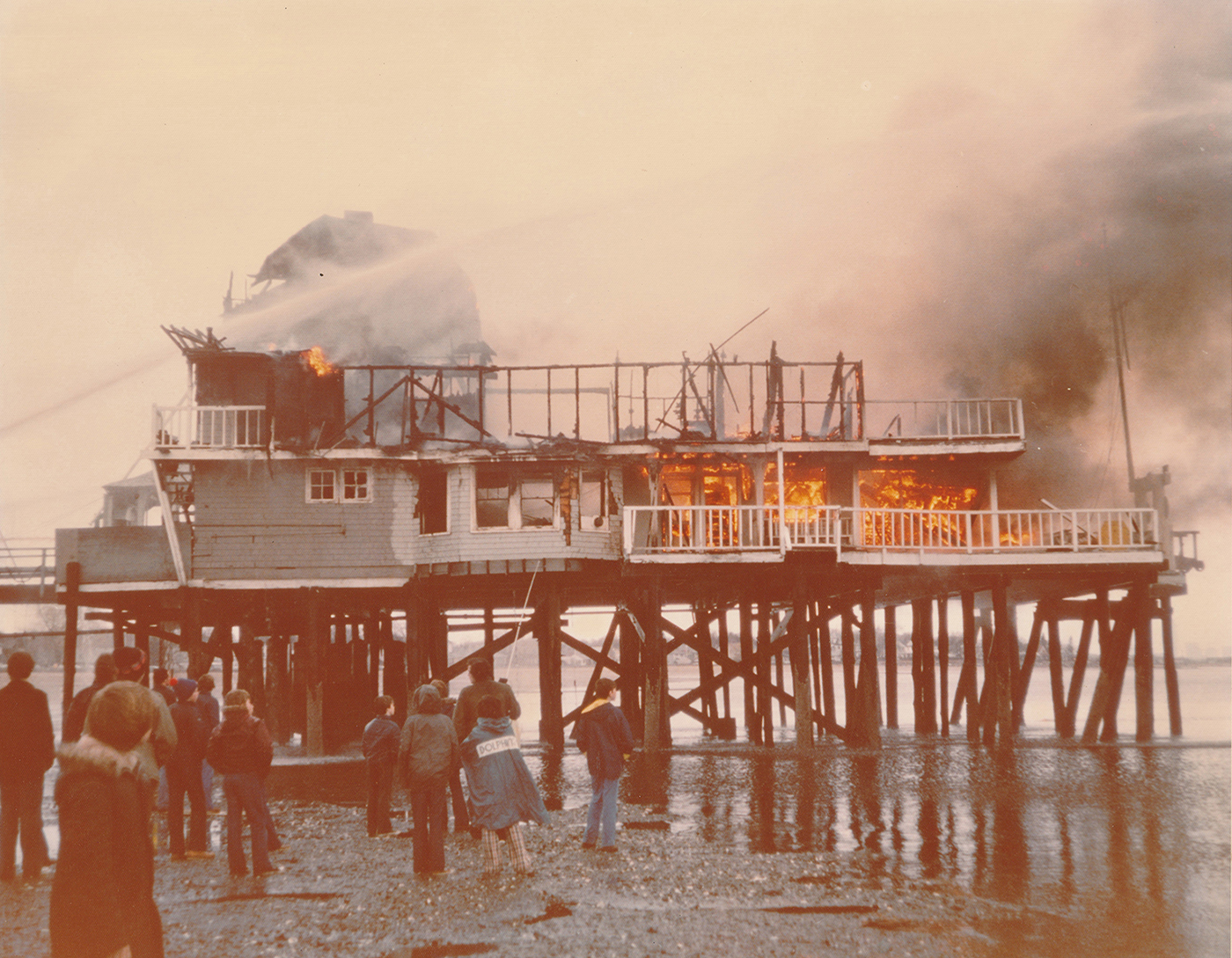
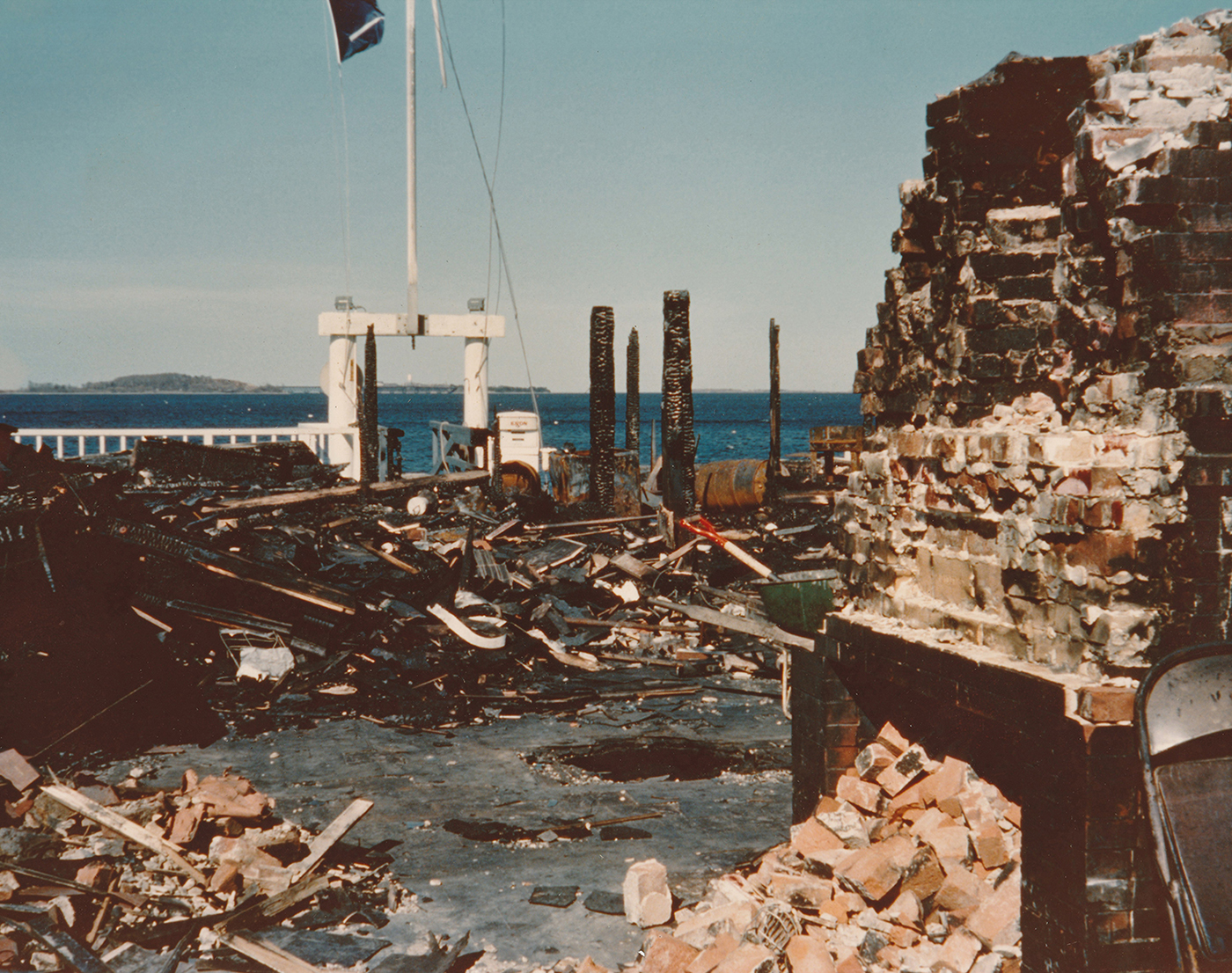
Research into club history then revealed that a large fire had broken out at the club in February 1976. As low tide approached, fire boats had been forced to pull back and the structure was lost.
“Yacht clubs have a history of, could I say, catastrophes—they’re out there on the water exposed to the elements, and often vacant during the winter,” says Ted Randall, Past Commodore of the neighboring Wollaston Yacht Club and a Life Member of the Squantum Yacht Club of. He is now retired from a career teaching in the Milton Public Schools.
The morning after the fire in 1976, Ted recalls arriving at the scene: “It was basically a smoking platform.”
It was a precarious time for the club. Unlike larger yacht clubs that can welcome large mooring boats, Squantum, like Wollaston, is more of a small community center where locals and families gather and enjoy the season. “The club needed to rebuild if it would survive,” Ted says.
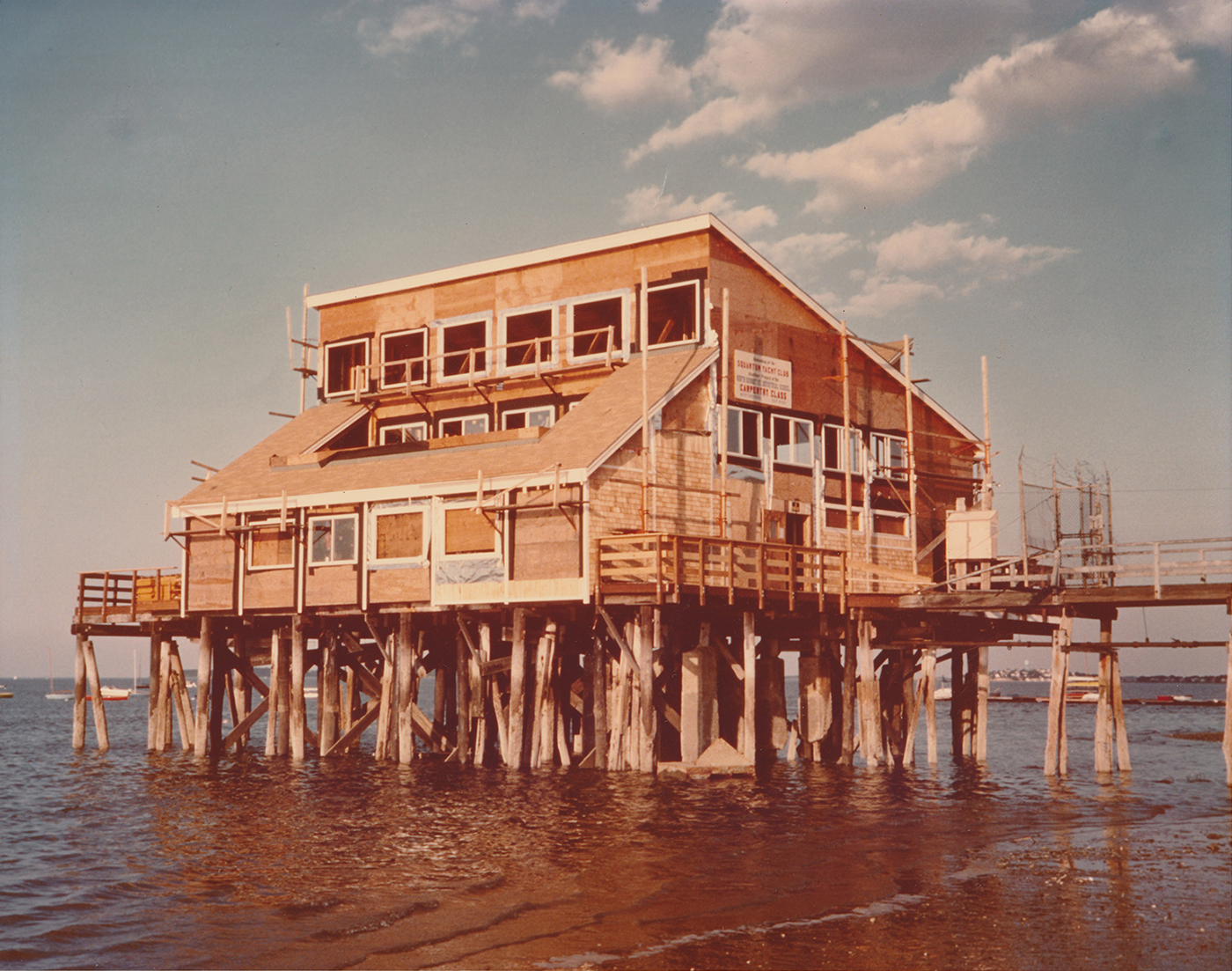
Luckily, someone was connected with NBSS, and the Carpentry program agreed to take on the challenge. “From my vantage point at Wollaston next door, I could watch the rebuild underway over the next couple of years,” Ted says.
The School’s role in saving the yacht club may have been a buried fact today, but its commitment to giving students exposure to real job sites has long made NBSS programs unique.
“Doing real projects with real clients in the community is a hallmark of the full-time Carpentry (CA) and Preservation Carpentry (PC) programs,” says Peter Smith PC ’04, Carpentry Department Head. “It’s somewhat unheard of because it takes a lot of work to execute on these projects—we need to have unique clients and builders who understand that first, we’re an education institution.”
Over the years, both programs have completed wide-ranging projects for museums, nonprofits, and private clients—projects like a guest house renovation with C2MG Builders, Inc., the reconstruction of a damaged 1920s hip-roofed garage, ongoing shed construction at Brookwood Farm, and the reconstruction of a historic former post office.
“Students love being out in the field,” Peter says. “They start growing confidence that what they learn in the classroom will translate. It also helps them understand the physicality behind the trade–going up and down ladders, or working in all weather conditions.”
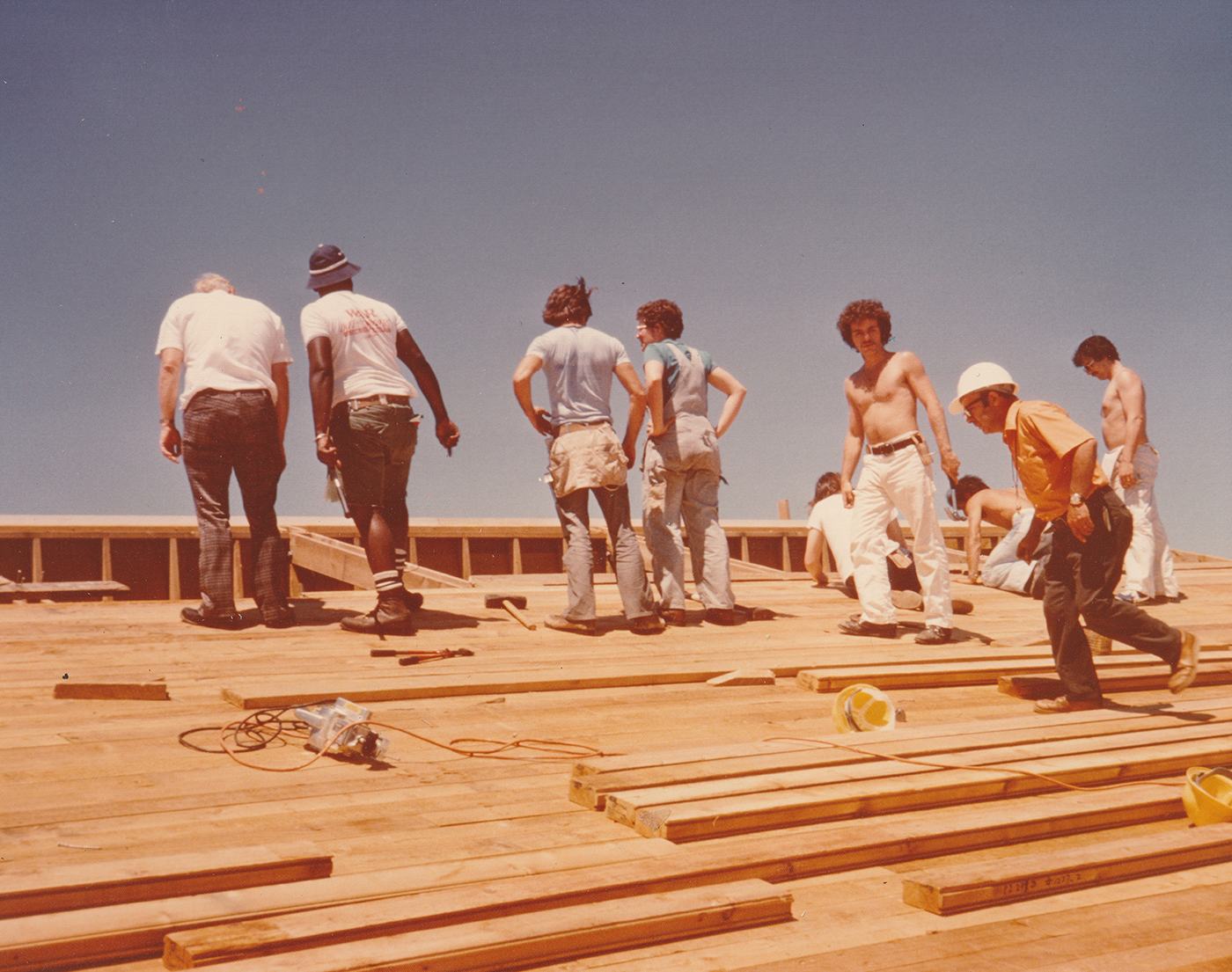
In examining the archival images of the yacht club rebuild underway, Peter is struck by the challenges of the location jutting out over the ocean (and also some of the looser safety regulations on display that were just a product of the time): “This was a very exposed job site. Part of teaching is doing it in all conditions, though. (Within safety guidelines, of course.) And it’s about students understanding that the project they’re working on is going to be around for a long time—just like this yacht club. What I see in this story is a rediscovery of the built legacy of NBSS.”
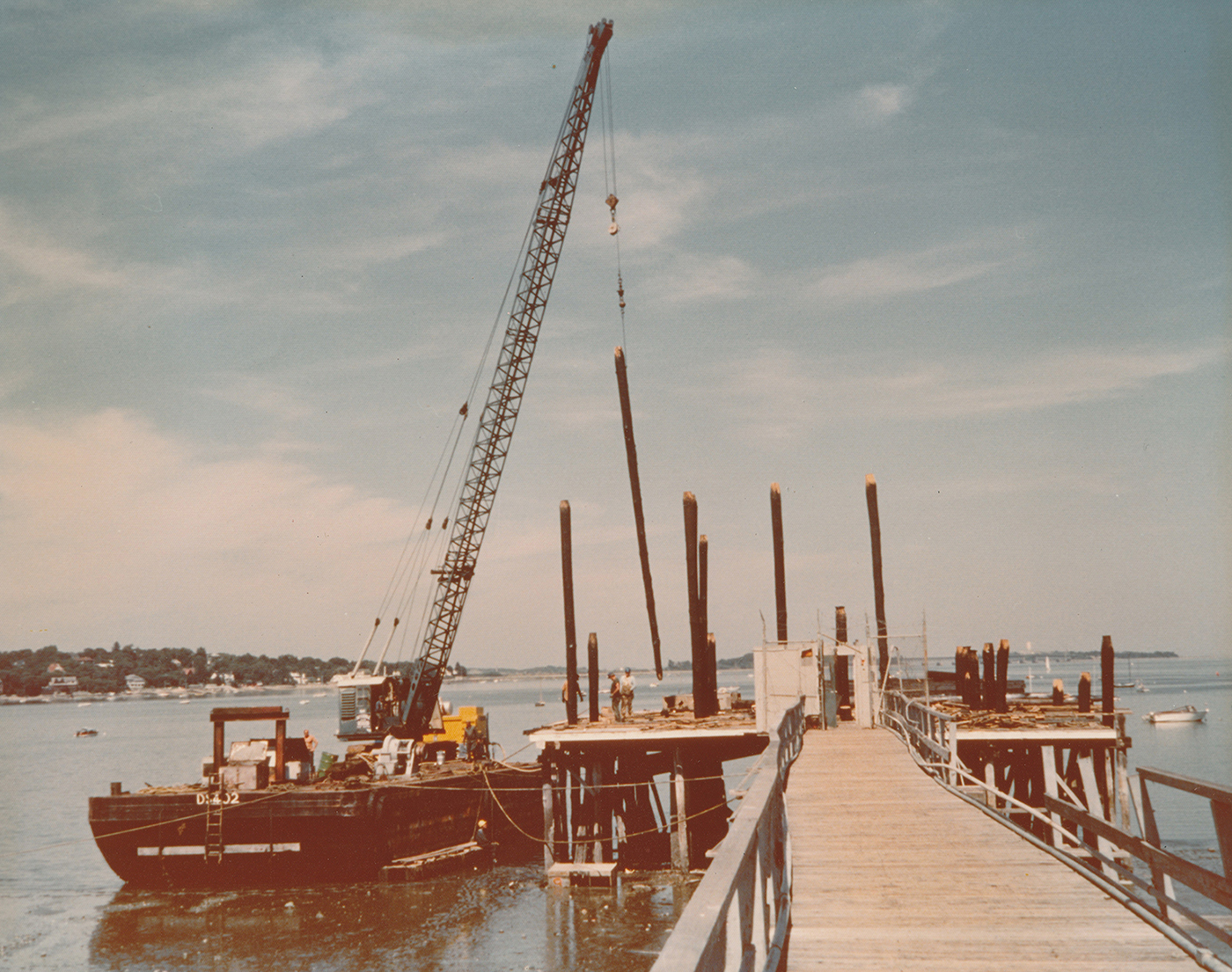
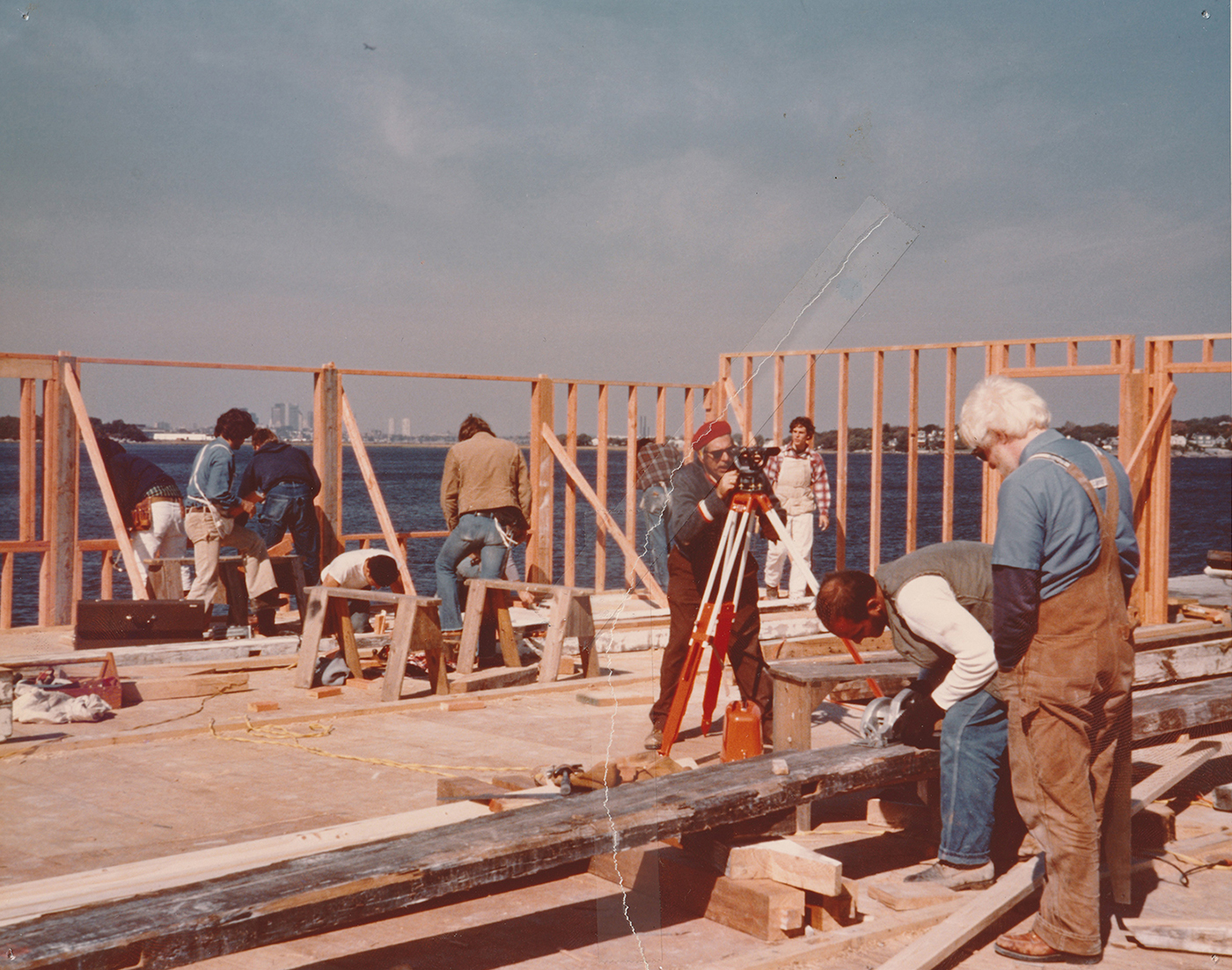
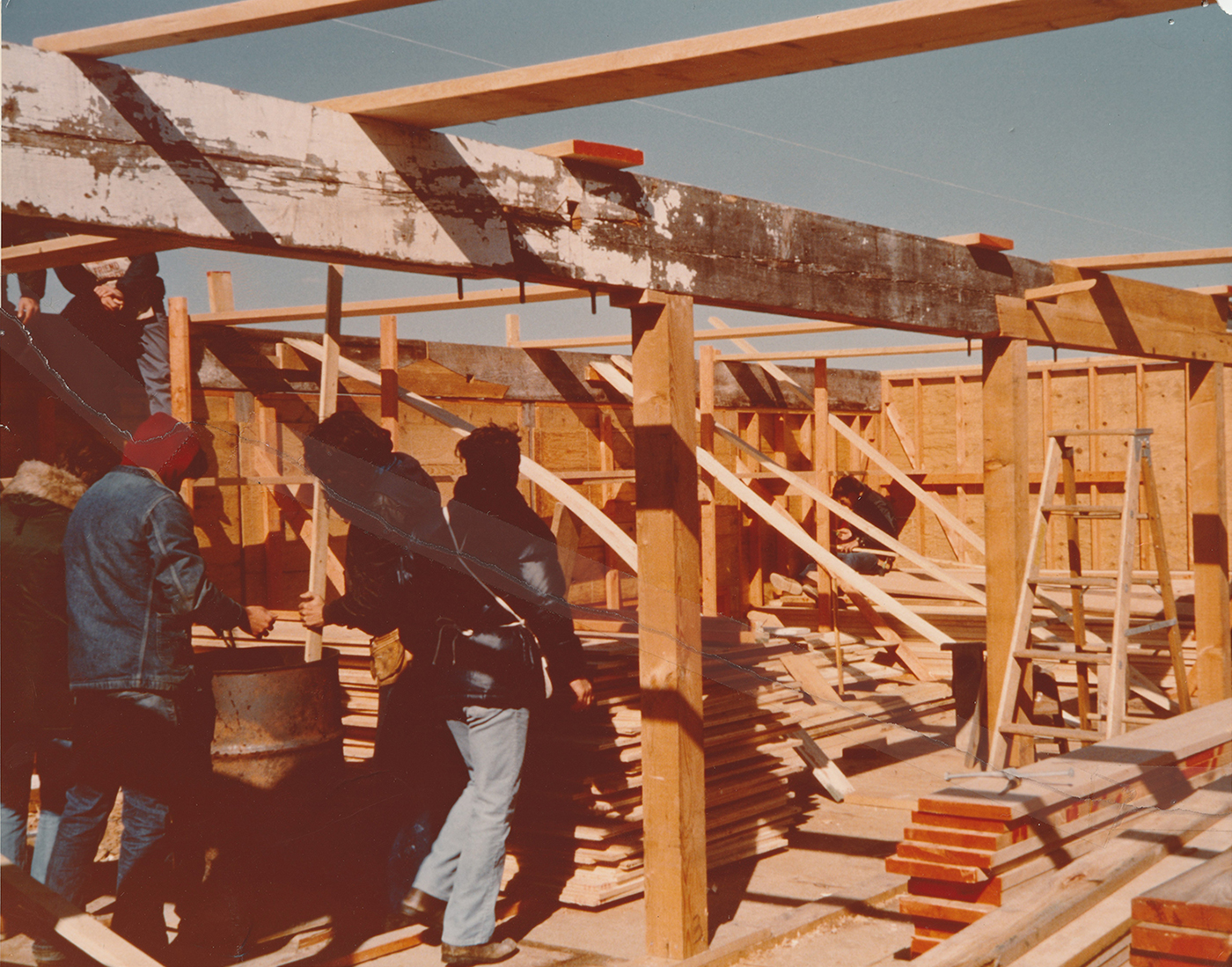
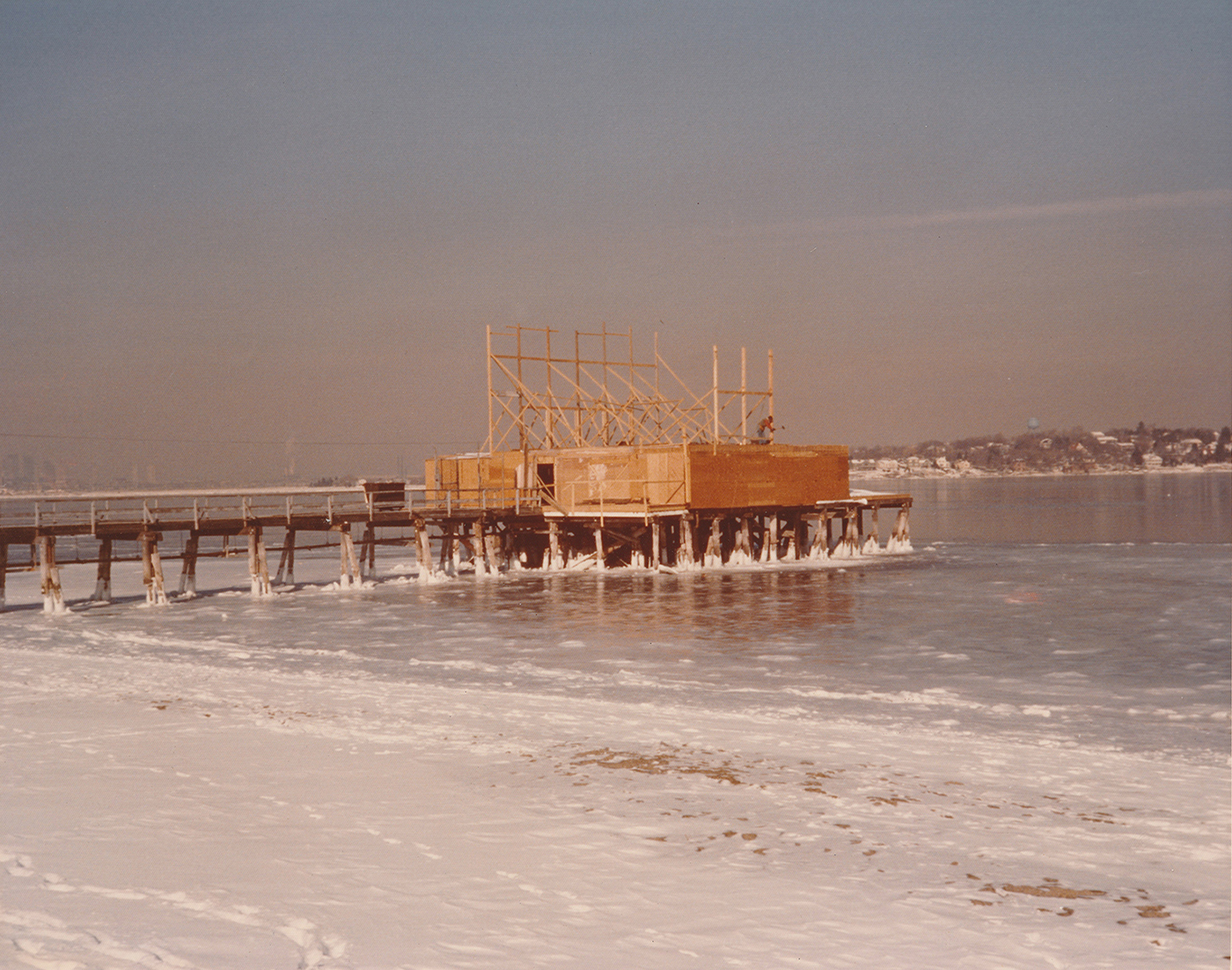
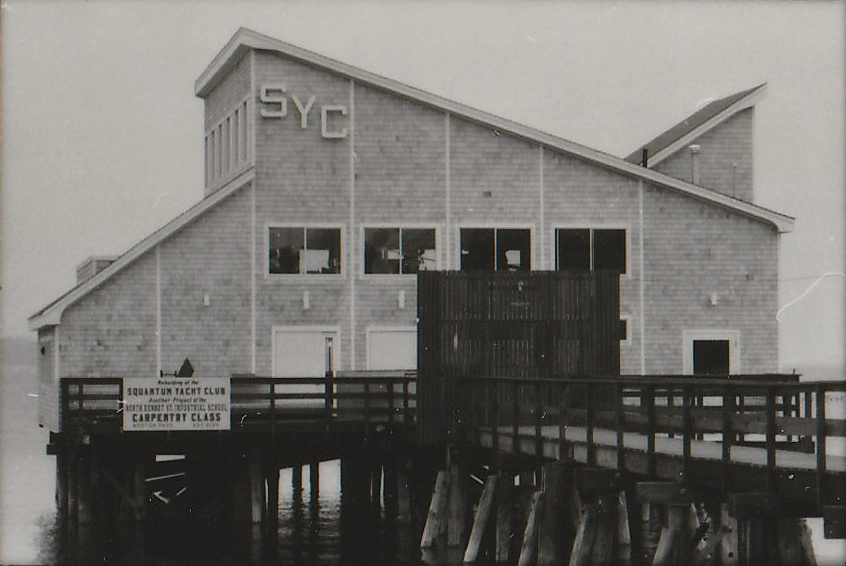
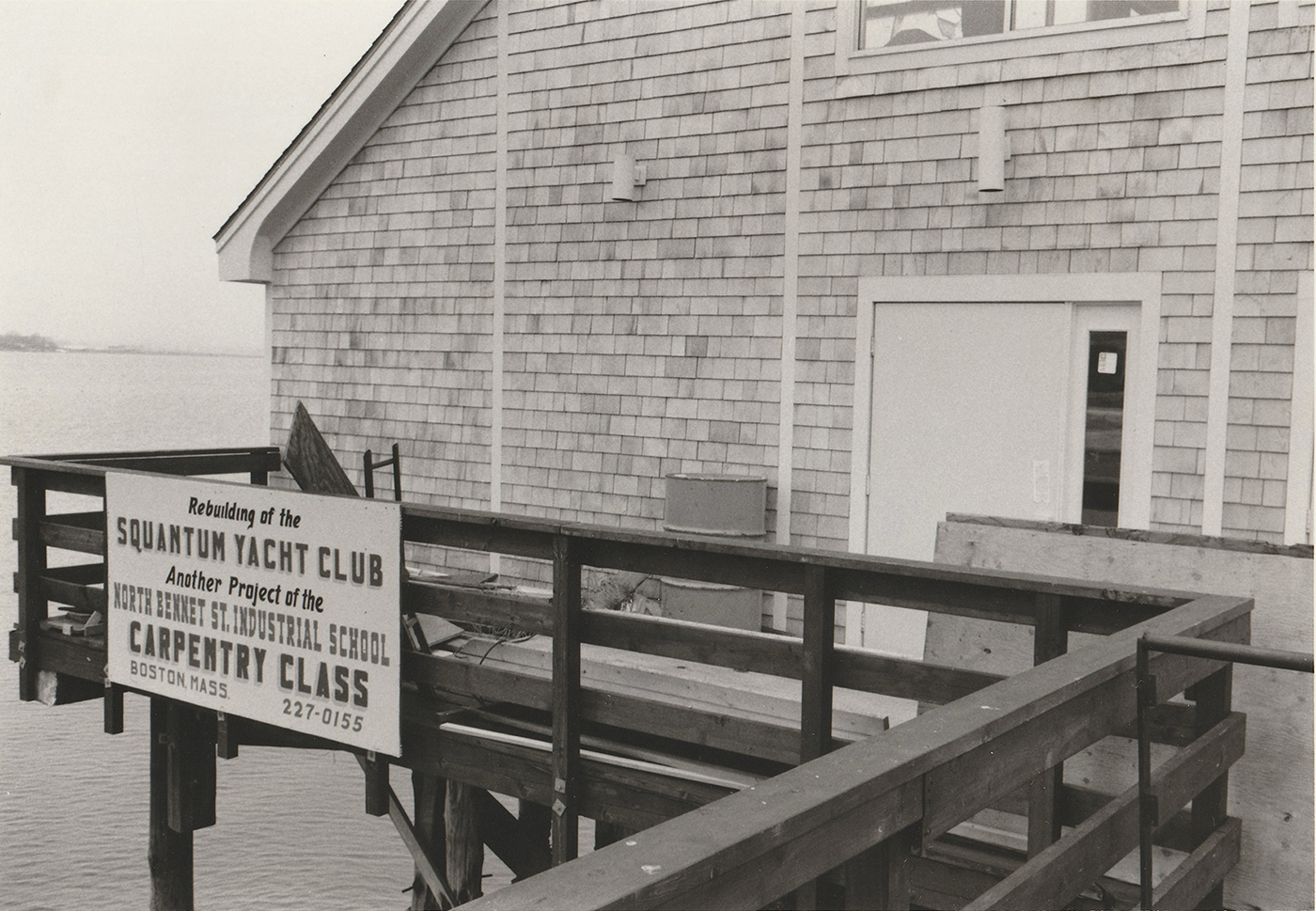
Inspired by the now-solved mystery, Peter is considering reproducing a version of the sign for use on job sites today.
Helping people connect a building’s footprint to its builders can only help deepen long-term care for those structures, Tracey agrees: “The club holds an even more special place in my heart now, knowing the School built it. It has been 50 years, and this building over the water gets battered—it was built really well. It makes me want to continue investing in its maintenance to keep this place going.”
Announcing the School’s New President: Dr. Sarah B. Cunningham
Futures Found